 ultimate-guide
Basketball Training for Competitive Youth: A 2026 Guide
Table of Contents
- What Basketball Training for Competitive Youth Actually Involves
- Long-Term Athlete Development Framework for Young Basketball Players
- Basketball Skill Development Plan for Youth: From Fundamentals to Advanced Play
- Rep Basketball Tryout Preparation: What Scouts and Coaches Look For
- Youth Basketball Strength and Conditioning Drills That Build Athletic Performance
- Age-Specific Training Programs and Competitive Pathways
- Parental Guide: Supporting Your Child's Competitive Basketball Growth
- Conclusion
Last Updated: August 30, 2026
What Basketball Training for Competitive Youth Actually Involves
Basketball training for competitive youth goes far beyond picking up a ball and shooting hoops. It's a structured approach to skill development that combines fundamental mechanics, game intelligence, physical conditioning, and mental resilience. At Tier 1 Sports, we are dedicated to fueling a lifelong passion for the game, offering everything from engaging introductory sessions for beginners to competitive rep basketball, all designed to develop essential skills in a supportive environment.
The reality most parents don't see is that competitive basketball training operates on multiple levels simultaneously. A player needs shooting mechanics that hold under pressure, footwork that creates scoring opportunities, defensive intensity that forces turnovers, and court awareness that turns them into playmakers. Each element requires deliberate practice, not just game time.
Here's what matters most: competitive youth basketball training isn't about volume. It's about intentional skill acquisition paired with game situations that force players to apply what they've learned. A player doing 500 shots with poor form learns poor shooting (acsm.org). A player doing 50 shots with perfect mechanics, then playing 5-on-5 where they must shoot under pressure, develops actual game-ready skills.
The best programs separate recreational play from competitive development. Recreational basketball builds love for the game. Competitive basketball training builds the specific capacities scouts and coaches evaluate at tryouts.
Long-Term Athlete Development Framework for Young Basketball Players
Long-term athlete development (LTAD) is a structured progression model that matches training intensity, complexity, and competition to a player's age and developmental stage. This framework prevents burnout, reduces injury risk, and creates sustainable skill growth over years rather than months.
The LTAD model typically spans ages 4 to 16 and beyond, with each phase building on the previous one (peer-reviewed research). Early years (ages 4-6) focus on fundamental movement literacy: running, jumping, balance, and basic hand-eye coordination through play-based activities. These aren't basketball-specific skills yet, they're the physical foundation every sport requires.
Middle years (ages 7-10) introduce basketball fundamentals: basic shooting form, passing, dribbling, and simple game concepts. Players learn rules, positions, and how to execute basic offensive and defensive strategies. This is when skill development accelerates because kids have the coordination to practice with intention.
Competitive years (ages 11-16) shift toward advanced skill refinement, tactical complexity, and competitive play. Players develop specialized roles, learn advanced footwork, master game reading, and compete in rep leagues where intensity and expectations increase significantly.
The key insight most programs miss is that skipping phases creates problems later. A 10-year-old forced into rep-level intensity before developing solid fundamentals will struggle at 13 when everyone else has caught up. Conversely, a 13-year-old still doing basic drills without competitive context won't develop the decision-making skills that separate good players from great ones.
Basketball Skill Development Plan for Youth: From Fundamentals to Advanced Play
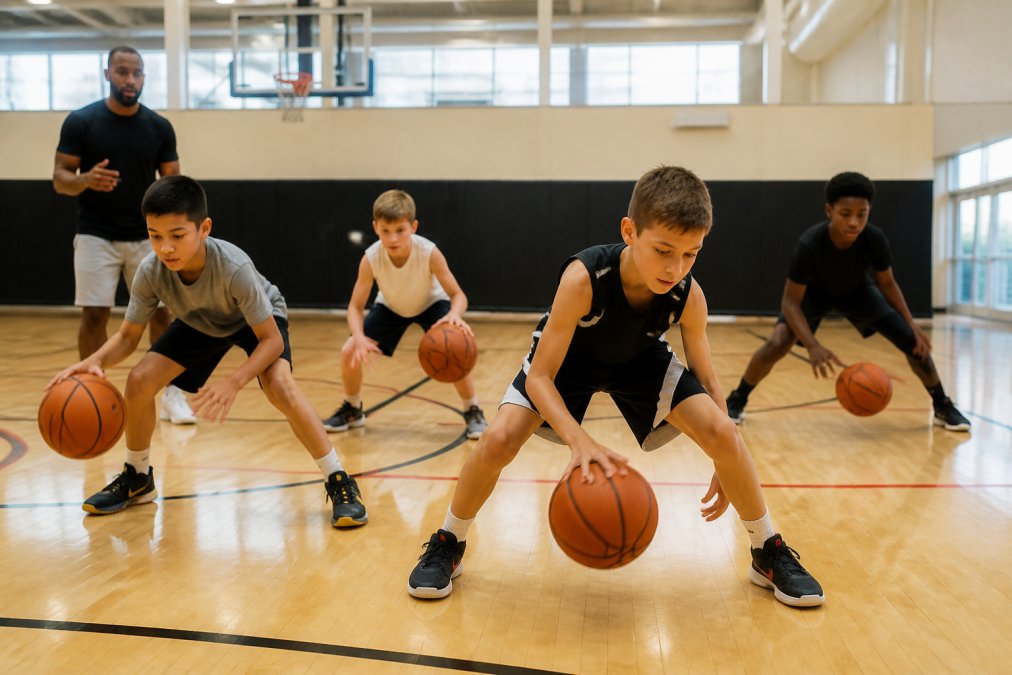
A basketball skill development plan for youth requires progression through specific, measurable competencies. This isn't about random drills, it's about systematic advancement where each skill builds on the last.
Fundamental Phase (Ages 4-8): Players master basic movement patterns and basketball-specific mechanics. Focus areas include proper shooting stance, basic dribbling control, passing accuracy, and fundamental defensive positioning. Drills emphasize repetition with correct form. Game time is play-based, with minimal rules enforcement and maximum participation.
Intermediate Phase (Ages 9-11): Skill development shifts toward consistency and game application. Players develop reliable shooting mechanics under game conditions, advanced ball handling for different situations, and defensive principles like staying low and using hands properly. Drills become more game-realistic, incorporating movement, pressure, and decision-making.
Advanced Phase (Ages 12-16): Players develop specialized skills within their positions and roles. A point guard develops advanced court vision and pick-and-roll reads. A forward develops footwork in the post and mid-range shooting. A wing develops driving attacks and defensive versatility. Training includes competitive scrimmages, tactical analysis, and performance metrics.
The mistake most programs make is treating skill development as a one-size-fits-all checklist. A 9-year-old who already shoots well doesn't need 30 minutes of shooting drills, they need to develop ball handling and decision-making. A 12-year-old who can't shoot with consistency needs targeted shooting work before advancing to three-point range.
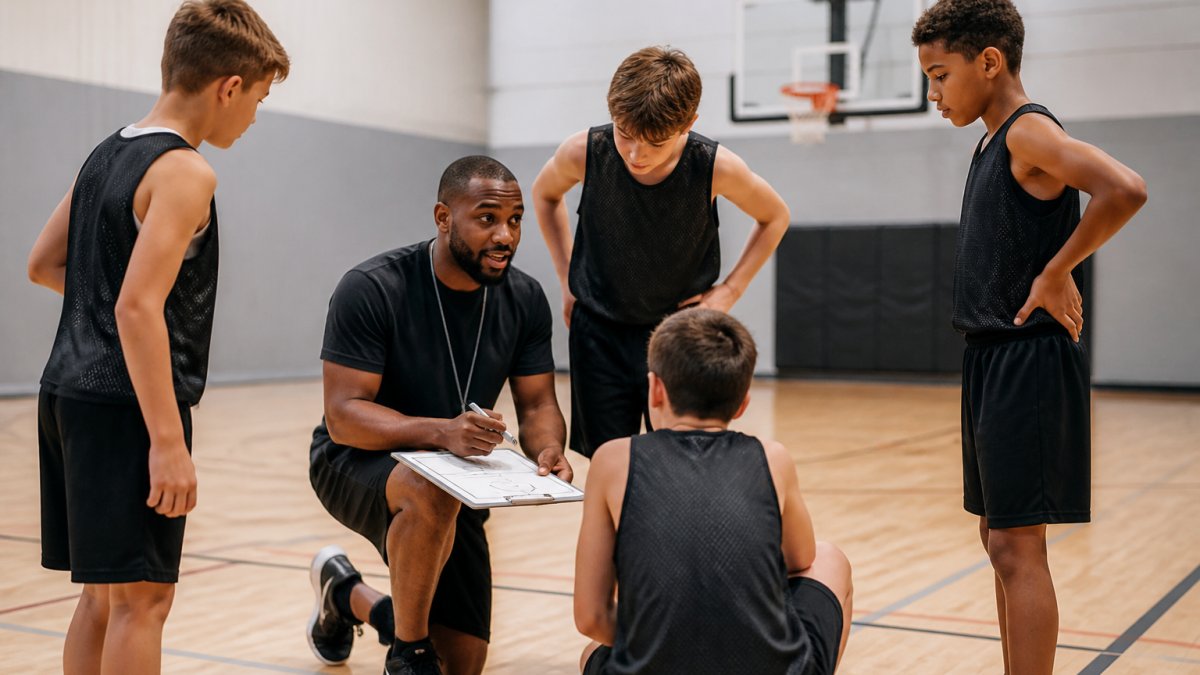
Effective programs assess individual strengths and weaknesses, then tailor development accordingly. This is where coaching expertise matters. A coach who can identify what a specific player needs to improve, and design training to address it, accelerates development dramatically.
Rep Basketball Tryout Preparation: What Scouts and Coaches Look For
Rep basketball tryouts evaluate specific capacities that predict success at competitive levels. Understanding what scouts actually assess helps players prepare strategically rather than hoping to impress through effort alone.
Coaches evaluate five core areas: shooting mechanics and consistency, ball handling under pressure, defensive intensity and positioning, court awareness and decision-making, and physical conditioning. A player might excel in one area but struggle in another, scouts recognize this and assess potential alongside current performance.
Shooting mechanics are non-negotiable. Scouts want to see consistent form: feet shoulder-width apart, knees bent, elbow under the ball, follow-through holding shape. A player with poor shooting form who makes 50% of shots will be passed over for a player with textbook form who makes 40%, because the latter's form is coachable toward higher percentages.
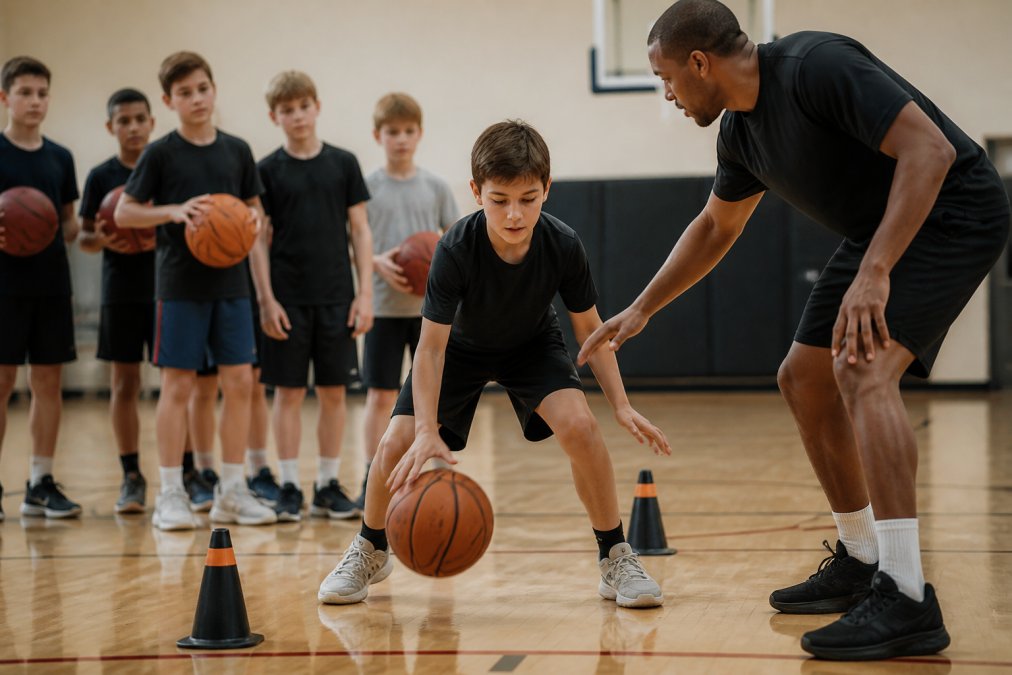
Ball handling reveals a player's comfort with the ball and ability to create space. Drills that test this include dribble-drive situations, one-on-one moves, and handling defensive pressure. A player who loses the ball under pressure or can't create separation with dribble moves won't be trusted in competitive situations.
Defensive intensity matters more than defensive skill at younger ages. Scouts want to see effort: staying low, moving feet, using hands actively, and showing willingness to guard difficult opponents. A player who plays soft defense, even with good positioning, signals low competitive drive.
Court awareness separates average players from good ones. This means knowing where teammates are, recognizing open players, making the simple pass instead of forcing a difficult one, and positioning yourself to help defensively. A player with high basketball IQ makes everyone around them better.
Conditioning is the baseline. A player who can't maintain effort for a full game or multiple games in a tournament won't compete effectively. Tryouts often feature back-to-back games or extended scrimmages specifically to assess conditioning.
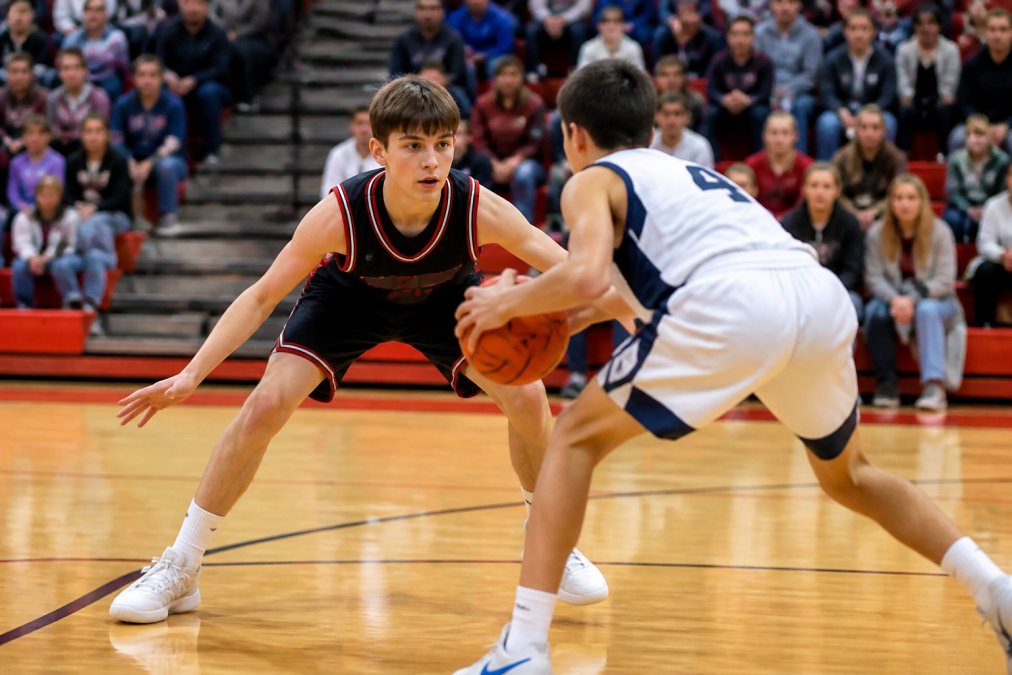
The biggest mistake young players make is preparing only for the skills they're already good at. A player who can shoot well but has weak ball handling will get exposed at tryouts. A player with great footwork but poor conditioning will fade in the second half. Rep tryout preparation requires honest assessment of weaknesses and targeted work on those areas.
Youth Basketball Strength and Conditioning Drills That Build Athletic Performance
Athletic performance in basketball depends on strength, speed, agility, and power, capacities that require specific training beyond skill work. Young athletes who combine solid fundamentals with superior conditioning have a significant competitive advantage.
Strength Development for Youth Athletes: Young players don't need heavy weights. Body-weight exercises build functional strength: push-ups, pull-ups, planks, lunges, and single-leg work develop core stability and muscular endurance. Resistance bands add progressive overload without requiring barbells. The goal is building strength that translates to basketball movements: explosive jumping, lateral quickness, and sustained effort.
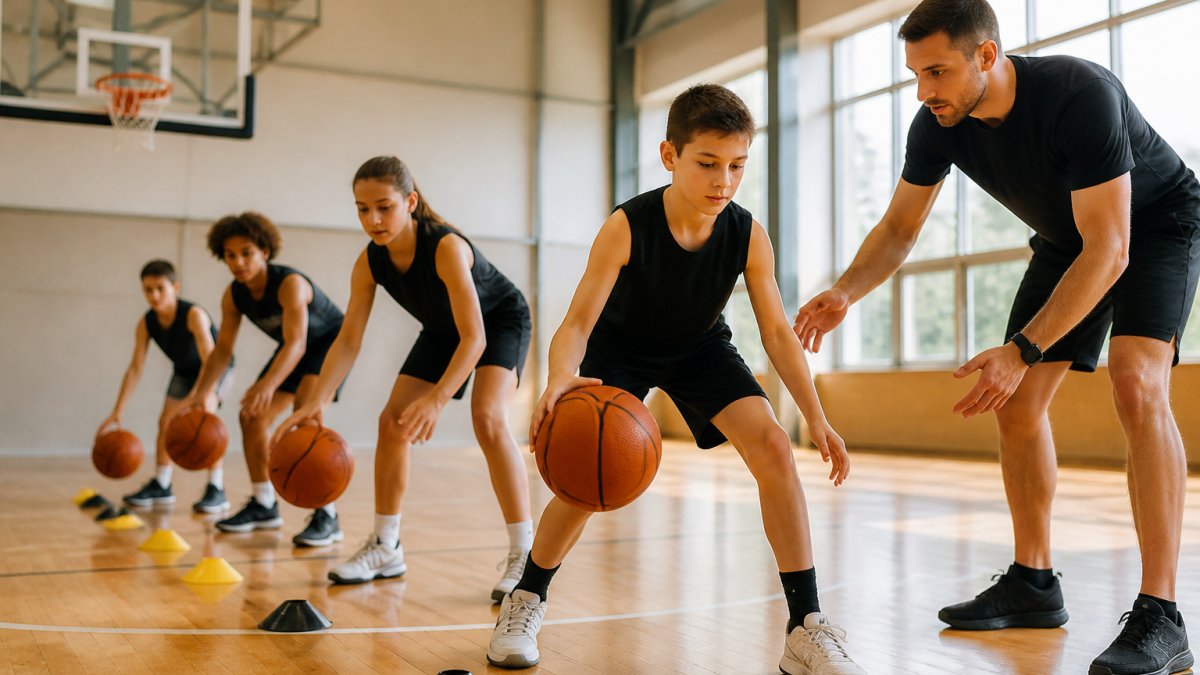
Speed and Agility Work: Agility ladder drills, cone drills, and shuttle runs develop footwork and directional change ability. These drills teach players to move efficiently in multiple directions, essential for defending, cutting, and creating space. Short, intense intervals (20-30 seconds of work, 30 seconds rest) build conditioning while developing movement quality.
Vertical Jump and Explosive Power: Box jumps, medicine ball throws, and plyometric work develop the explosive power needed for jumping, accelerating, and sudden directional changes. These should be performed fresh, early in training sessions, before fatigue compromises form.
Conditioning Circuits: Combining strength, agility, and conditioning into circuits builds game-ready fitness. A typical circuit might include: ladder drills (30 seconds), push-ups (30 seconds), cone drills (30 seconds), planks (30 seconds), rest (60 seconds), repeat 4-5 times. This develops both aerobic and anaerobic capacity.
The critical principle is progression. A 9-year-old doesn't need the same conditioning volume as a 14-year-old. Start with basic circuits, build consistency and form, then increase intensity and complexity. Conditioning work should always prioritize movement quality over volume, poor form during conditioning teaches poor movement patterns.
Age-Specific Training Programs and Competitive Pathways
Basketball training for competitive youth requires different approaches at different ages. Programs that treat all ages the same miss the developmental window when specific capacities are most trainable.
Ages 4-6: Introduction to Movement and Play Programs at this level focus on basic movement literacy and love for the game. Activities are play-based, with minimal structure. Kids learn to run, jump, balance, and handle a ball through games and fun drills. Competition is absent or minimal, the goal is building comfort and enjoyment.
Ages 7-10: Fundamental Skill Development This is the critical window for establishing proper mechanics. Shooting form, dribbling technique, and basic defensive positioning are taught and reinforced repeatedly. Game play increases, with simple rules and emphasis on participation. Competition begins but remains secondary to skill development.
Ages 11-13: Intermediate Skill and Tactical Play Players develop consistency in fundamentals and begin learning tactical concepts. Offensive sets, defensive schemes, and position-specific roles emerge. Competition increases, with league play and tournaments becoming regular. Players start specializing in positions.
Ages 14-16: Advanced Training and Competitive Intensity Rep basketball becomes the focus for serious players. Training emphasizes advanced skill refinement, tactical complexity, and and competitive intensity. Players compete in provincial leagues, tournaments, and showcases. Development becomes increasingly individualized based on position and role.
Tier 1 Sports designs programs specifically for each age group, recognizing that a training approach effective for 7-year-olds would bore 14-year-olds and vice versa. The progression from recreational to competitive pathways allows players to find their level and develop accordingly.
Parental Guide: Supporting Your Child's Competitive Basketball Growth
Parents often wonder how to support their child's basketball development without pushing too hard or investing excessively. The answer lies in understanding what actually drives improvement and what creates unnecessary pressure.
Create a Supportive Home Environment This doesn't mean building a court in your driveway. It means ensuring your child has access to a ball, encouraging regular practice, and showing genuine interest in their progress. Ask specific questions: "What did you work on today?" rather than "Did you win?" This signals that development matters more than results.
Manage Expectations Realistically Many young players improve rapidly early on, then plateau when they encounter players who've trained seriously. This is normal. A player who dominates at age 10 might be average at 13 if they haven't continued developing. Conversely, a late-blooming player might excel at 16. Long-term development requires patience.
Prioritize Coaching Quality Over Program Prestige A coach who understands your child's development stage and tailors training accordingly matters far more than whether they coach at an "elite" program. Poor coaching at a prestigious program teaches poor habits. Good coaching at a community program builds solid foundations.
Avoid Specialization Pressure Too Early Young athletes benefit from playing multiple sports (aap.org). Basketball-only training before age 12 increases injury risk and burnout. Multiple sports develop diverse movement patterns and athleticism that transfer to basketball.
Balance Competitive Drive with Enjoyment The players who succeed long-term are those who love the game. A child pushed into rep basketball before they're ready often develops resentment. A child who chooses competitive play after enjoying recreational basketball develops intrinsic motivation that sustains effort through difficult training.
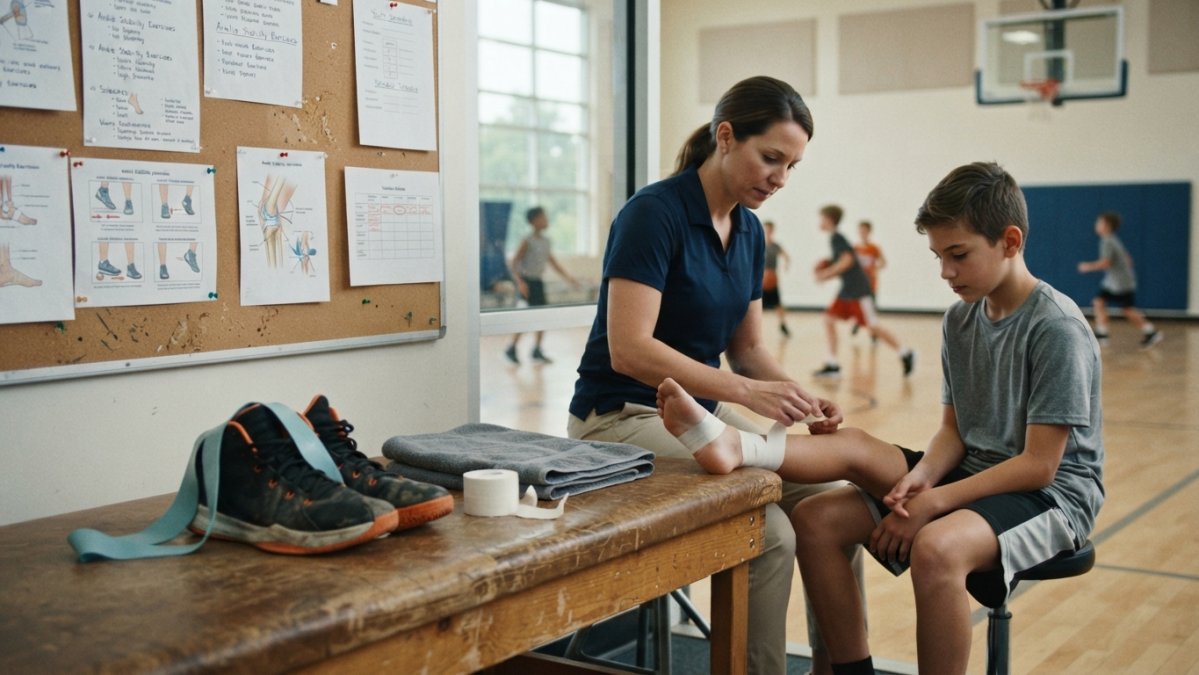
Invest in Nutrition and Recovery Competitive training demands proper nutrition and sleep. Young athletes need adequate protein, carbohydrates, and hydration. Sleep is when adaptation happens, a 13-year-old in serious training needs 8-9 hours nightly. These fundamentals matter as much as practice time.
The most valuable parental role is creating an environment where your child can pursue basketball because they love it, not because you want them to. Players driven by internal motivation progress faster and enjoy the journey more than those driven by external pressure.
Supporting your child's competitive basketball growth is a partnership between parent, player, and coach. At Tier 1 Sports, we understand that young athletes thrive when they're in a supportive community focused on genuine skill development. Our programs are designed to meet players at their current level, whether they're just discovering basketball or preparing for competitive rep play, and help them progress according to their own pace and potential. Explore our age-specific training programs and discover how Tier 1 Sports can help your child develop the skills, confidence, and passion needed to succeed on the court.
Frequently Asked Questions
Q: What is the difference between house league and rep basketball?
A: House league basketball focuses on recreational play, skill fundamentals, and equal game time for all players. Rep basketball is competitive and selective, players try out, teams are formed based on ability, and playing time depends on performance. Rep programs emphasize game IQ, tactical understanding, and higher intensity training. Most young athletes transition to rep basketball around ages 11-13 once they've built foundational skills and demonstrated competitive readiness.
Q: How do I prepare my child for competitive basketball tryouts?
A: Rep basketball tryout preparation involves three core areas: ball handling and shooting mechanics, defensive intensity and footwork, and basketball IQ. Focus on consistent shooting practice, ball control drills, and understanding defensive positioning. Equally important is mental preparation, teach your child to stay calm under pressure, accept coaching feedback, and demonstrate effort and coachability. Attend skill development clinics, play competitive games, and work with a coach to identify specific areas for improvement before tryouts.
Q: What role does strength and conditioning play in youth basketball?
A: Strength and conditioning is essential for injury prevention, athletic performance, and competitive advantage. Youth basketball strength and conditioning drills build explosive power for jumping and lateral movement, core stability for balance and control, and endurance for full-court play. Age-appropriate conditioning improves acceleration, deceleration, and court awareness. Players who combine technical skill with solid conditioning can execute fundamentals under fatigue and stay injury-free throughout a competitive season.
Q: How many hours a week should a competitive youth basketball player train?
A: Training volume depends on age and competitive level. Ages 7-10 benefit from 3-5 hours weekly of mixed skill development and play. Ages 11-13 typically train 6-10 hours per week across structured sessions, clinics, and competitive games. Ages 14-16 may train 10-15+ hours weekly if pursuing elite pathways. Balance is critical, overtraining increases injury risk and burnout. Effective training includes skill drills, conditioning, game play, and recovery time. Work with coaches to design a sustainable schedule that supports school, other interests, and long-term athletic development.
Q: What are the essential skills for competitive youth basketball?
A: Competitive basketball demands five core skill areas: ball handling (dribbling control and court awareness), shooting mechanics (consistent form from various distances), defensive intensity (footwork, positioning, and pressure), game IQ (reading plays and making smart decisions), and physical literacy (coordination, balance, and agility). Skill development programs build these through repetitive drills, competitive game scenarios, and mentorship from elite coaching. Players who master fundamentals early gain confidence and competitive advantage as they advance.
Q: My child is 5 and has never played basketball, is your intro program designed for that age?
A: Yes. Introductory programs for ages 4-6 focus on fundamental basketball skills through play-based learning. Sessions include ball familiarization, basic dribbling, shooting at adjusted heights, and game-like activities that build confidence and passion for the sport. Rather than lengthy drills, young players engage in interactive games and activities that develop physical literacy and court awareness naturally. Every child receives active participation and encouragement, with no sitting on the sidelines. Visit Tier 1 Sports's website to see program details and class structures.
Q: How do I know if my child is ready to transition from recreational to competitive rep basketball?
A: Readiness typically emerges around ages 11-13 and involves three indicators: technical skill (consistent shooting, ball handling, and defensive footwork), competitive mindset (desire to improve, acceptance of coaching, focus during games), and physical readiness (sufficient strength, speed, and endurance for higher-intensity play). A basketball skill development plan for youth should include honest feedback from coaches about competitive readiness. Some players thrive in competitive environments earlier; others benefit from extra time in recreational programs. Tier 1 Sports coaches can assess your child's readiness and recommend the right pathway.
This article was written using GrandRanker