 how-to
Book Youth Basketball Training: A Parent's Guide
Table of Contents
- Why Book Youth Basketball Training for Your Child
- Understanding Age-Appropriate Basketball Programs
- How Long Should a Basketball Training Session Be
- Basketball Training Session Plan Template and Structure
- Private Basketball Coaching Rates and Program Options
- Step-by-Step: How to Book Your First Session
- What to Expect: Progress Tracking and Skill Assessment
- Common Questions Before Booking
Last Updated: August 15, 2026
Why Book Youth Basketball Training for Your Child
When you book youth basketball training for your child, you're investing in physical literacy, confidence, and a genuine love of the game. Young athletes who receive structured coaching develop fundamental skills faster, build court confidence earlier, and discover whether basketball is their passion before competitive years begin.
Trained players understand footwork mechanics, ball handling principles, and how to read the court. They move with intention. Tier 1 Sports has worked with hundreds of families, and the pattern is consistent: children who start with age-appropriate training stay engaged, ask to practice at home, and show up excited.
Understanding Age-Appropriate Basketball Programs
Not all basketball programs are created equal. When you book youth basketball training, the first decision is matching your child's age and ability to a program designed for that developmental stage.
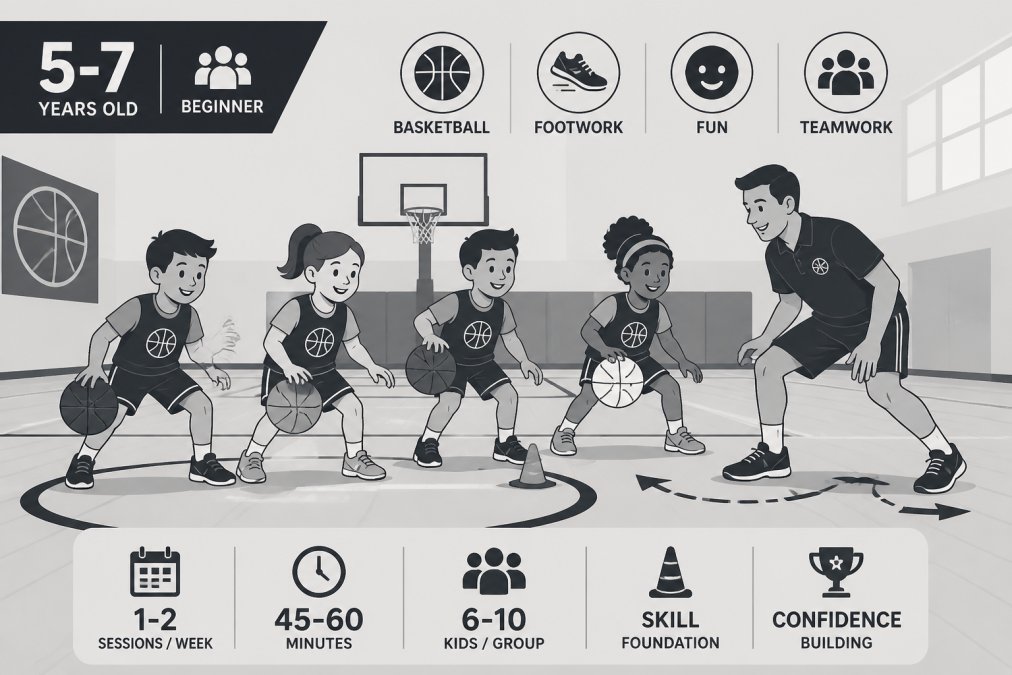
Ages 4-6: Introductory Programs and Fundamental Skills
This is the golden window for motor skill development. Children build coordination, balance, and basic body awareness through play. A basketball is a tool for movement, not a focus.
Introductory programs emphasize fun first, skills second. Kids learn to dribble through games, not repetitive drills. A good 45-60 minute session includes 15 minutes of footwork mechanics through movement games, 10 minutes of basic dribbling, and finishes with a simplified game where everyone touches the ball. There's no such thing as being too young to start moving with a basketball at this age.
Ages 7-10: Skill Development and Court Confidence
Kids at this age can follow multi-step instructions, understand basic game rules, and develop real ball handling techniques. Skill development programs introduce proper shooting form, dribbling mechanics, basic passing, and defensive stance through 60-90 minute sessions.
Coaching philosophy matters enormously. Programs focused on active learning, where kids constantly move and touch the ball, see dramatically better retention than those built around standing in lines. Game-based learning works better than isolated drills because kids understand the purpose immediately.
This is when competitive interest often emerges. Some kids want to push harder and test themselves against peers. Others prefer recreational play. Both paths are valid. The key is having program options that fit where your child actually is.
Ages 11-16: Competitive Rep Basketball and Advanced Techniques
By this age, basketball becomes a sport with real strategy, positioning, and team dynamics. Rep basketball programs offer competitive training and game opportunities against skilled players.
Advanced techniques include position-specific footwork, shooting consistency at game speed, defensive principles, and basketball IQ. Rep basketball requires commitment with selective tryouts, demanding practice schedules, and weekend games. For kids who want to compete seriously, this is where they learn whether they have the passion and work ethic to keep improving.
How Long Should a Basketball Training Session Be
The ideal session length depends on age, attention span, and training intensity. Longer doesn't always mean better.
For ages 4-6, 45-60 minutes is optimal. Sessions longer than an hour lose attention and fatigue degrades skill development.
For ages 7-10, 60-90 minutes works well, allowing time for warm-up, skill work, game-based learning, and closing activity.
For ages 11-16, 90-120 minutes is standard for competitive rep training. Recreational programs at this age run 60-75 minutes. Structure matters more than total time, a well-designed 60-minute session beats a poorly structured 90-minute one.
Basketball Training Session Plan Template and Structure
A solid session follows a predictable arc: preparation, skill development, application, and reflection.
Warm-Up and Footwork Mechanics
Every session starts with 10-15 minutes of movement-based warm-up. For younger kids, this might be games like "follow the leader" incorporating directional changes and balance work. For older kids, it's more structured: lateral shuffles, forward-backward sprints, defensive stance work, and position-specific footwork patterns.
The coaching cue is consistency and control, not speed. Kids learn that proper footwork comes before explosive movement, preventing injuries and building efficiency.
Skill Drills and Ball Handling Practice
After warm-up, 20-30 minutes focuses on one or two specific skills: dribbling mechanics, shooting form, passing accuracy, or defensive principles. One skill practiced with intention beats three skills practiced superficially.
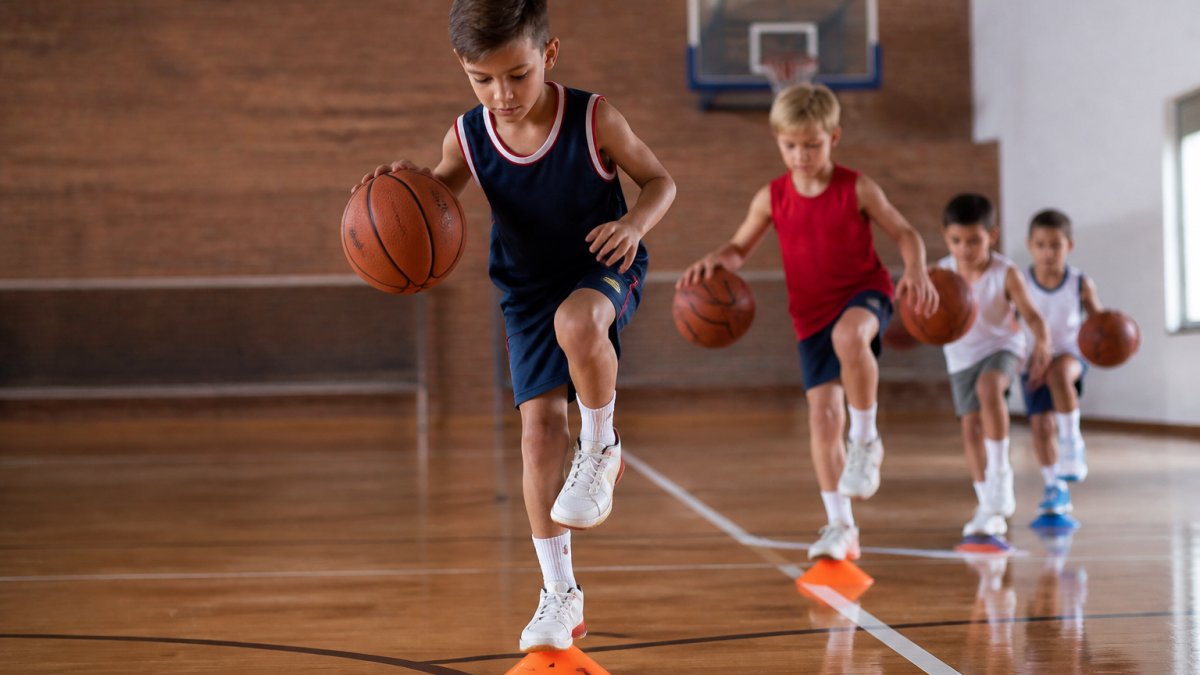
Ball handling practice should feel active, not repetitive. Instead of standing in line dribbling in place, kids do dribbling games: dribble in a square without looking at the ball, dribble while moving laterally, dribble while a partner tries to knock it away.
Shooting form is taught progressively. Younger kids start close to the basket learning mechanics. As they improve, distance increases. By ages 11-16, shooting drills incorporate game speed, fatigue, and defensive pressure.
Game-Based Learning and Team Play
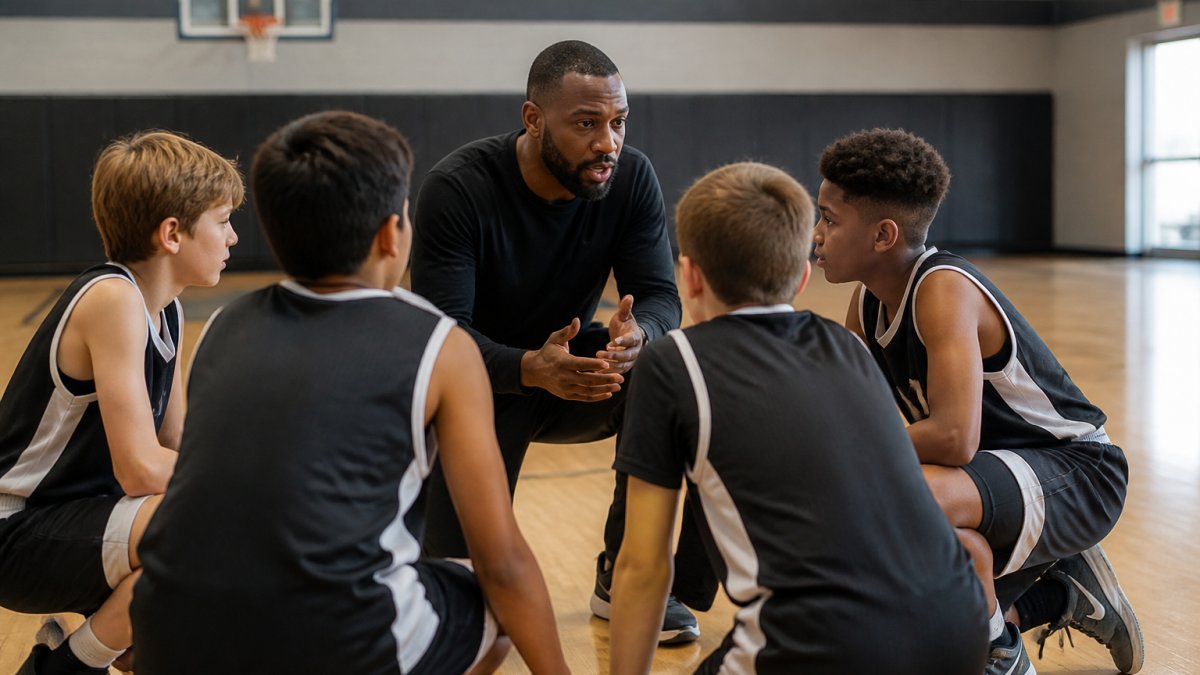
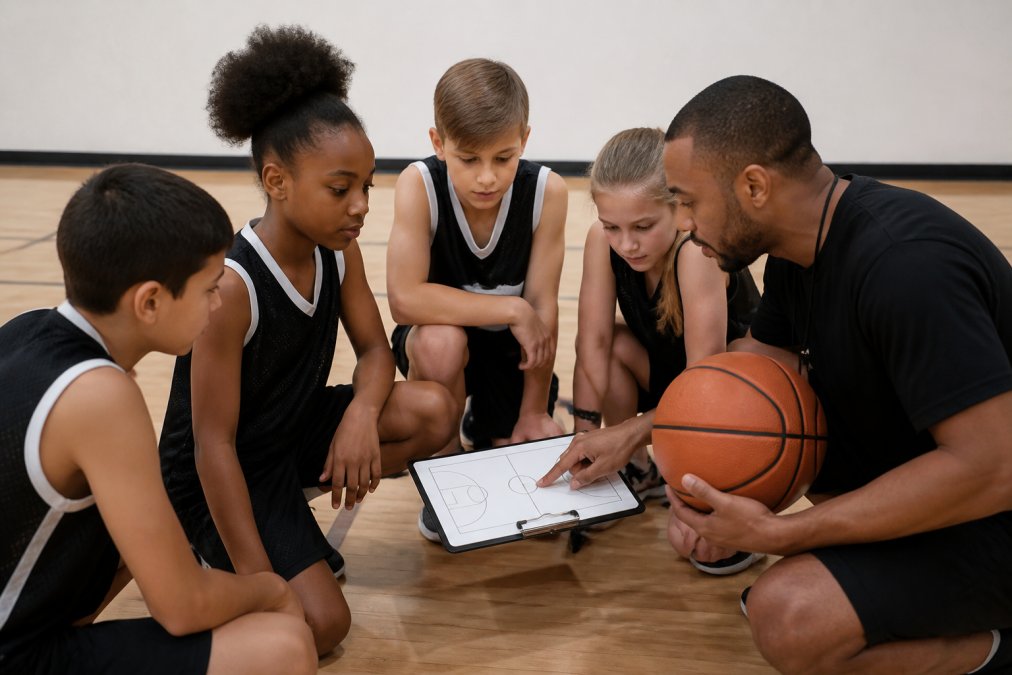
The final 15-20 minutes shifts from isolated drills to game-based learning. A simplified game for younger kids might be 3-on-3 with modified rules. For older kids, it's closer to actual game play with coaching pauses to highlight concepts.
Game-based learning develops basketball IQ. Kids learn court awareness, spacing, and decision-making under pressure. Skills suddenly connect to real play.
Private Basketball Coaching Rates and Program Options
Coaching rates vary based on age, group size, and intensity level. Tier 1 Sports offers tailored options for families in the community. For current pricing and available program formats, visit the Tier 1 Sports website or contact the club directly. Program options typically include:
- Introductory recreational programs for ages 4-6
- Skill development groups for ages 7-10
- Intermediate and competitive rep pathways for ages 11-16
- Private one-on-one coaching for targeted skill work
- Small group sessions (4-8 kids) for focused development
When comparing programs, look beyond price. The real value is in coaching quality, session structure, and whether the program philosophy matches your child's needs.
Step-by-Step: How to Book Your First Session
Booking your first basketball training session is straightforward with the right preparation.
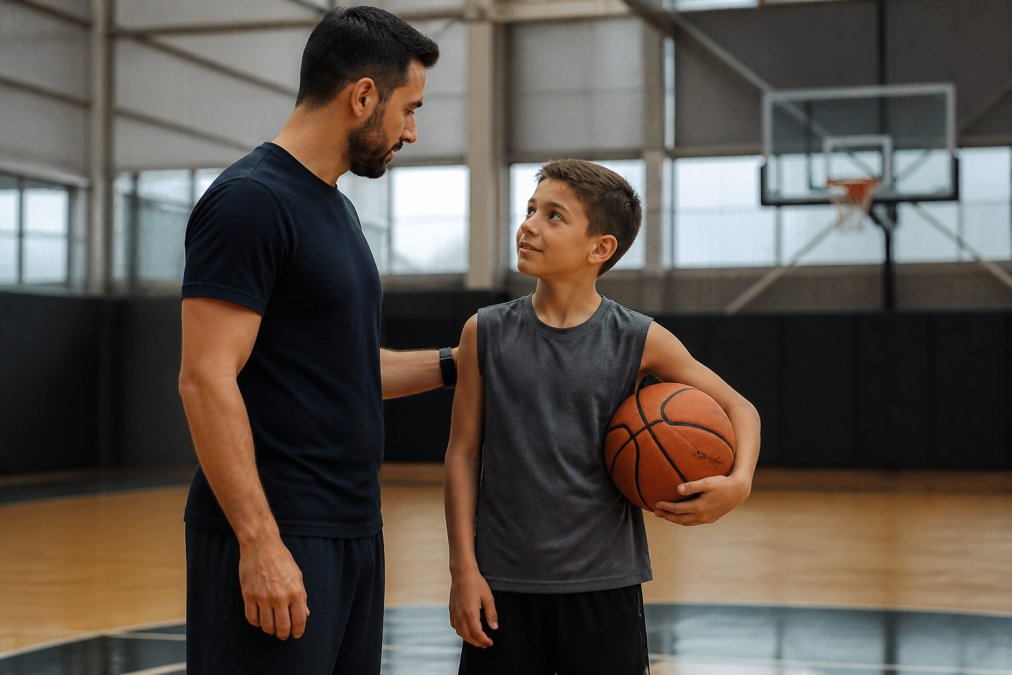
Assess Your Child's Current Level
Before you book, be honest about where your child is. Have they played basketball before? Do they know how to dribble? Can they shoot? Are they interested in competitive play or recreational fun?
This assessment helps you choose the right program level. Tier 1 Sports staff can help during an initial conversation.
Choose the Right Program Format
Decide whether you want recreational play, skill development focus, or competitive rep basketball. Each has different time commitments, costs, and goals.
Recreational programs are flexible and great for kids exploring the sport. Skill development programs require more commitment but deliver faster improvement. Rep basketball is for kids ready to compete seriously.
If uncertain, start with recreational or skill development. You can move up later if your child shows interest and aptitude.
Complete Your Registration
Once you've chosen a program, provide basic information: your child's name, age, contact details, and any relevant health information. Most programs ask about previous basketball experience and your child's goals.
Tier 1 Sports handles registration through their website or by contacting the club directly. You'll receive session schedules, payment information, and details about what to bring.
What to Expect: Progress Tracking and Skill Assessment
Good programs track progress. Coaches should be able to tell you what skills your child is developing and where they're improving.
For ages 4-6, progress appears in basic coordination: kids dribble without looking down and move with more confidence. For ages 7-10, progress shows in ball handling consistency, shooting accuracy, and better defensive positioning. For ages 11-16, progress includes game IQ, decision-making speed, and competitive performance.
Coaches at Tier 1 Sports use informal assessment throughout sessions, watching footwork, observing ball handling, and noting court awareness. Some programs offer formal skill assessments at the start and end of a session block for concrete improvement data.
Common Questions Before Booking
My child has never played basketball before. Is an introductory program really designed for complete beginners?
Yes. Introductory programs at Tier 1 Sports are built for kids with zero basketball experience. Coaching starts with the absolute basics: how to hold a basketball, how to move your feet, how to dribble without looking down. Kids learn together at a beginner's pace.
What's the difference between Tier 1 Sports and other basketball programs in the area?
Tier 1 Sports emphasizes age-appropriate coaching, active learning with minimal standing around, and genuine skill development focus. The club is community-focused and committed to helping every child find their pathway, whether recreational enjoyment or competitive rep basketball.
I've heard programs say they focus on skill development, but then kids spend most of the time playing games. How do I know Tier 1 Sports is actually different?
A well-structured session balances skill drills with game application. You should see 20-30 minutes of focused skill work where kids practice specific techniques, then 15-20 minutes of game-based learning where those skills are applied. Ask coaches what skills they're working on each week and how they're building progression. Watch a session if possible.
What's your coaching philosophy around winning versus learning?
Tier 1 Sports balances competitive growth with a supportive environment. For recreational programs, the focus is skill development and enjoyment. For rep basketball, competition is part of the experience, but coaching emphasizes learning from losses and improving individually. The club culture is inclusive; kids are challenged to improve without sacrificing confidence or love of the game.
Do you have parents I can talk to or videos of actual practices?
Contact Tier 1 Sports directly to request references or arrange a visit to a live session. Many programs offer sample sessions or observation opportunities so you can see coaching style and session structure firsthand.
My child is somewhere between recreational and competitive. What program fits?
Tier 1 Sports offers skill development programs for this group. These programs have more structure and challenge than casual recreational play but without the competitive selection and pressure of rep basketball. This is often the sweet spot for kids aged 8-12 getting serious about the sport.
How much does rep basketball cost compared to recreational programs?
Rep basketball typically costs more due to higher coaching intensity, competitive opportunities, and season-long commitment. For specific pricing on both options, contact Tier 1 Sports directly.
You mention skill development and the golden window for motor skills. Can you explain what that means for my 7-year-old?
Ages 6-10 are critical for motor skill development. Children's brains are particularly receptive to learning movement patterns during this window. Skills learned now, proper footwork, ball handling mechanics, body awareness, become automatic with practice. Learning these same skills at age 15 requires much more conscious effort. Early training gives kids a significant efficiency advantage.
When you're ready to book youth basketball training for your child, you're making an investment in their physical development, confidence, and potentially their passion for the game. The right program, one that matches their age, teaches with intention, and keeps them engaged, makes all the difference. Tier 1 Sports is committed to providing that experience, with coaching tailored to each child's developmental stage and goals. Get started today by reaching out to the club to explore program options and schedule your first session.
Frequently Asked Questions
What age can my child start basketball training?
Children as young as 4 can begin introductory basketball programs focused on fundamental skills, court confidence, and coordination. At this age, sessions emphasize play-based learning and physical literacy. Ages 7-10 are ideal for structured skill development, while ages 11-16 can pursue competitive rep basketball pathways. The key is choosing an age-appropriate program that matches your child's developmental stage and interests.
How long should a basketball training session be for my child?
Session length depends on age and experience level. Younger players (ages 4-6) benefit from 30-45 minute sessions to maintain focus and engagement. Ages 7-10 typically train for 45-60 minutes, allowing time for warm-up, skill drills, and game-based learning. Competitive players (11-16) often participate in 60-90 minute sessions that include footwork mechanics, advanced ball handling, offensive systems, and conditioning. Shorter, focused sessions prevent fatigue and maximize active learning.
What is included in a basketball training session plan?
A structured basketball training session plan template typically includes: a warm-up focusing on footwork and coordination, fundamental or advanced skill drills tailored to the player's level, ball handling and dribbling mechanics practice, team play and offensive strategy instruction, and game-based learning where players apply skills in real situations. Coaching resources emphasize balancing individual training with team development, ensuring each session builds both technical ability and basketball IQ.
How do private basketball coaching rates compare to group programs?
Private basketball coaching typically costs more than group sessions because of personalized attention and customized training plans. Pricing depends on coach experience, session length, frequency, and location. Group programs offer excellent value for foundational skill development and team play experience, while private coaching is ideal for athletes seeking intensive skill refinement or competitive preparation. Contact Tier 1 Sports directly for current private basketball coaching rates and to discuss which format best suits your child's goals.
This article was written using GrandRanker