 ultimate-guide
Cost of Competitive Youth Basketball: A 2026 Guide
Table of Contents
- What Drives the Cost of Competitive Youth Basketball
- Breaking Down Registration Fees and Seasonal Costs
- Is Rep Basketball Worth It for Your Child
- Rep Basketball Tryouts: What to Expect and Budget For
- Competitive Basketball Travel Costs and Away Games
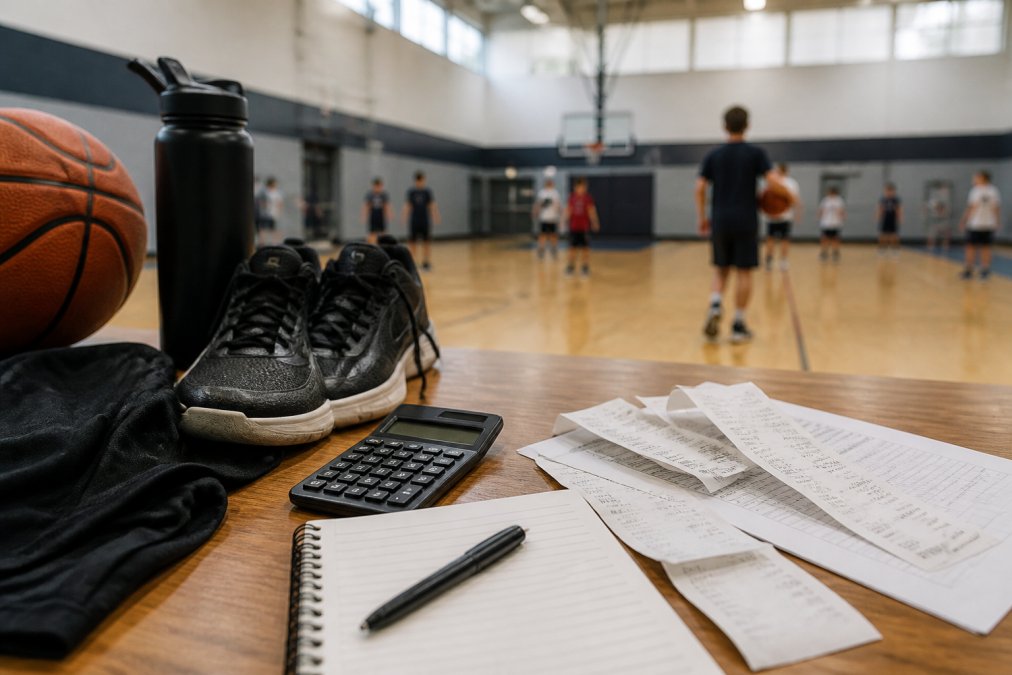
- Equipment, Uniforms, and Hidden Expenses
- Financial Aid and Scholarship Opportunities
- House League Versus Rep Basketball: A Cost Comparison
- Frequently Asked Questions
Last Updated: September 2, 2026
What Drives the Cost of Competitive Youth Basketball
The cost of competitive youth basketball varies dramatically depending on program tier, location, and competition level. Expenses extend beyond registration fees to include travel, equipment, uniforms, facility rentals, and tournament participation. Several factors influence pricing: coaching expertise, facility quality, league affiliation standards, and training frequency. Programs with certified coaches and premium courts typically charge more than recreational alternatives. Age also matters, older youth in competitive rep leagues face higher costs due to greater infrastructure demands.
Breaking Down Registration Fees and Seasonal Costs
Registration fees form the foundation but are only the starting point. Most rep leagues charge annual fees covering league affiliation, administrative overhead, and insurance. Monthly training session fees pay for court time and coaching staff. Tournament fees cover competitive events beyond regular season play. Many families also invest in off-season training and summer camps.
Payment structures vary across programs. Some clubs offer full-season payment plans, others break costs into monthly installments or session credits. When evaluating fees, ask what's included: all regular season games and practices? Are tournaments separate? What about uniforms and equipment?
Is Rep Basketball Worth It for Your Child
Whether rep basketball justifies its cost depends on your child's passion and your family's financial capacity. Rep basketball offers structured coaching, competitive play against higher-caliber opponents, and organized pathways toward higher competition levels. These benefits come at a premium price.
The value proposition shifts by development stage. A 7-year-old exploring basketball may gain more from recreational skill development than rep team pressure. A 13-year-old serious about basketball often finds rep basketball worth the investment because coaching quality and competition directly support their goals.
Cost-benefit analysis requires honest assessment: Does your child demonstrate genuine interest? Will your family enjoy travel and tournaments? Can your budget accommodate seasonal costs without strain? Does your child's skill level match the team's tier?
Many families find a middle ground works best. Competitive skill development programs sit between recreational house leagues and elite rep teams, offering serious coaching without premium costs or tournament travel. This tier suits children aged 9-12 wanting to get serious about basketball without full competitive commitment.
Rep Basketball Tryouts: What to Expect and Budget For
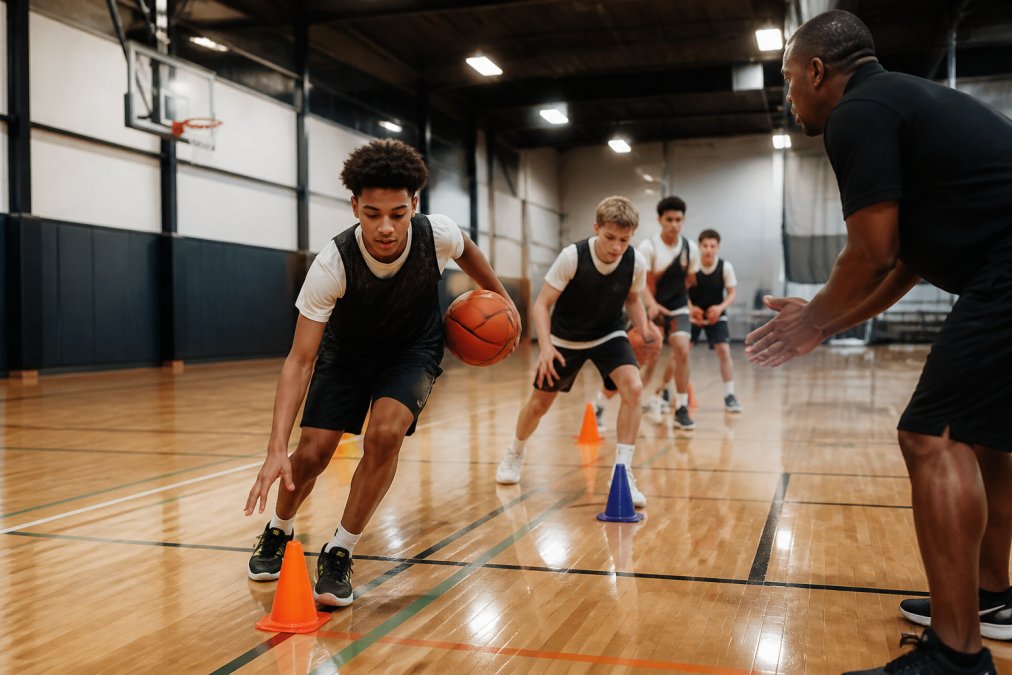
Rep basketball tryouts typically occur in late summer or early fall. The tryout process itself is usually free or involves a small evaluation fee, but families should budget for preparation costs. Many children benefit from skill development training sessions in the months before tryouts to improve their chances of making a competitive team.
Coaches assess ball-handling skills, shooting accuracy, defensive positioning, basketball IQ, and coachability. They also consider how a player fits within the team's system and whether their skill level matches the competitive tier.
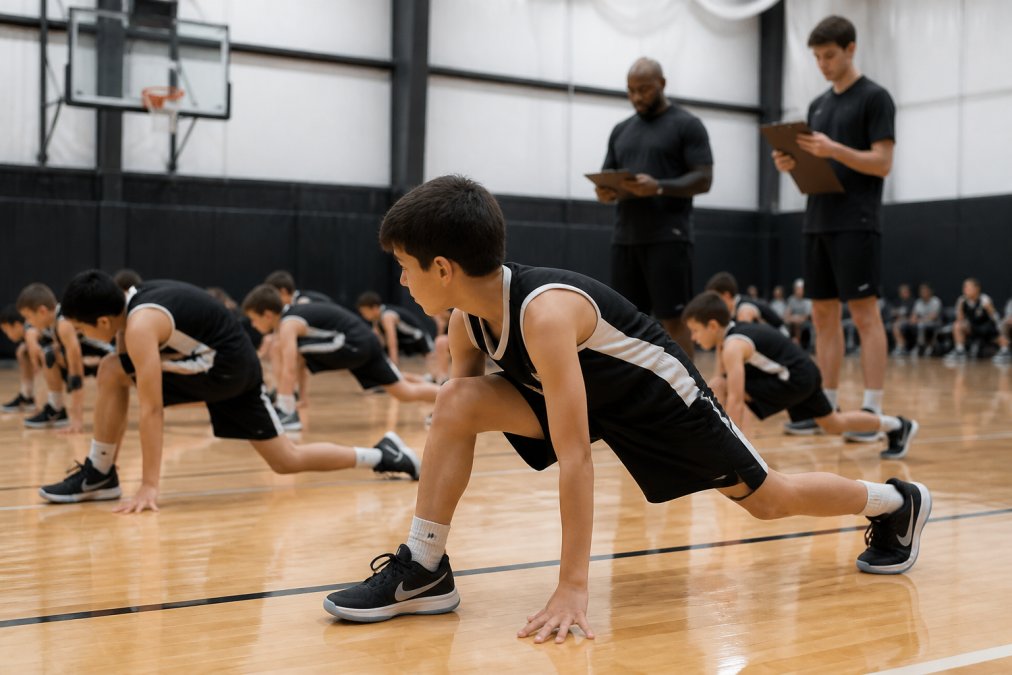
If your child doesn't make the rep team, have a backup plan. Some families return to recreational house leagues. Others invest in additional skill development training and try again the following season. A few programs offer developmental tiers specifically for players who didn't make elite rep teams.
Prepare your child mentally for both success and disappointment. Frame tryouts as a learning opportunity rather than pass-fail. This mindset helps children develop resilience.
Competitive Basketball Travel Costs and Away Games
Travel represents one of the largest hidden costs in competitive youth basketball. Rep teams often schedule games across multiple cities, requiring families to budget for transportation, accommodation, and meals. A single weekend tournament can easily cost several hundred dollars (peer-reviewed research).
The travel commitment varies by program tier. Some local rep leagues minimize travel by keeping games within reasonable driving distance. Other competitive clubs participate in regional or provincial tournaments requiring longer trips.
Accommodation costs depend on travel distance and tournament duration. A one-hour drive might involve only gas costs. A weekend tournament three hours away typically requires one or two hotel nights. Multi-day tournaments in distant cities can require three to four nights. quality apparel pricing.
Many families share hotel rooms with other team families to reduce accommodation costs. Some programs arrange group hotel rates or negotiate team packages including meals and accommodation at bundled rates.
Meal costs during away games are often underestimated. Team dinners, breakfast before games, and tournament snacks add up quickly. Some programs include team meals in tournament fees; others leave families to cover their own costs, ranging from 50 to 100 dollars per day per person.
Equipment, Uniforms, and Hidden Expenses
Equipment costs start with basics, shoes, socks, practice gear, and a basketball, but extend into less obvious categories. Quality basketball shoes appropriate for competitive play typically cost more than recreational footwear (acsm.org). Brands designed for court performance command premium prices.
Uniform packages are usually mandatory for rep teams. These typically include jersey, shorts, warm-up gear, and sometimes socks or compression wear. Some programs allow families to purchase uniforms from specific vendors at discounted group rates.
Hidden expenses emerge throughout the season: team bags, water bottles, compression sleeves, ankle supports, and other accessories. Replacement shoes mid-season because your child outgrew them is common with younger athletes.
Insurance and liability coverage varies by program. Some clubs include basic insurance in registration fees. Others require families to purchase additional coverage or provide proof of existing insurance.
| Expense Category | Typical Range | Notes |
|---|---|---|
| Registration/Annual Dues | Varies by program | Covers league affiliation and admin |
| Monthly Training Sessions | Varies by frequency | Usually 2-4 sessions per week |
| Tournament Entries | Per tournament | Can total several hundred annually |
| Travel (per away game) | 150-400 dollars | Includes gas, hotel, meals |
| Equipment & Shoes | 150-250 dollars | Initial purchase plus replacements |
| Uniforms & Team Gear | 100-200 dollars | Usually annual or multi-year |
| Off-Season Training | 300-800 dollars | Summer camps, skill development |
Financial Aid and Scholarship Opportunities
Financial aid for competitive youth basketball exists but requires active seeking. Some clubs offer need-based assistance for families facing genuine financial hardship. Eligibility varies, and applications often require income documentation.
Sponsorships represent another funding avenue. Local businesses sometimes sponsor youth sports teams or individual players in exchange for marketing visibility. At Tier 1 Sports, we're generously sponsored by Real Estate Broker David Robbio, which helps us keep costs manageable for families.
Scholarship programs specifically for basketball are less common at the youth level. However, some competitive clubs award partial scholarships to exceptional players demonstrating both skill and financial need. These typically cover registration fees or training sessions rather than travel or equipment costs.
Grant programs through provincial sports organizations occasionally fund youth athletic development. These target promising athletes and support training and competition costs.
Some families offset costs through fundraising. Team-organized fundraisers, car washes, pancake breakfasts, and silent auctions generate revenue that reduces individual family costs.
House League Versus Rep Basketball: A Cost Comparison
House league basketball represents the entry point for most young players. These recreational programs prioritize skill development and enjoyment over competitive intensity. Costs are substantially lower than rep basketball because house leagues minimize travel, employ fewer certified coaches, and focus on local community participation.
House league registration typically covers a season of games and practices within your local area. Travel is minimal, games happen at nearby facilities. Equipment requirements are basic. The time commitment is moderate, usually one or two practices plus one game per week.
Rep basketball operates at a different scale. These competitive programs recruit skilled players, employ certified coaches with advanced credentials, schedule games across multiple cities, and participate in competitive tournaments. The time commitment is substantial, often three to four practices plus multiple games per week.
The cost difference is dramatic. A house league season might cost 200 to 400 dollars total. A rep basketball season typically ranges from 1,500 to 3,000 dollars or more when including all associated expenses (the NIH).
Competitive skill development programs occupy the middle ground, offering more serious coaching and competitive play than house leagues but without full rep basketball travel and tournament commitment. They suit children aged 9-12 wanting to improve significantly without premium costs and time demands.
The choice depends on your child's passion, your family's budget, and your comfort with travel and time commitment. A child exploring basketball thrives in house league. A child serious about basketball development may outgrow house league within a year or two.
Understanding the cost of competitive youth basketball helps you make decisions aligned with your family's values and financial capacity. Whether your child plays in a recreational house league, joins a competitive skill development program, or pursues elite rep basketball, the investment should feel worthwhile. At Tier 1 Sports, we believe quality coaching and supportive community matter more than elite status. Our programs for ages 4 to 16 are designed to develop basketball skills while fueling genuine passion for the game. Explore how Tier 1 Sports can support your child's basketball journey and discover which program tier fits your family's goals. REP TRYOUTS!
Frequently Asked Questions
Q: What is the difference in cost between house league and rep basketball?
A: House league basketball typically involves lower registration fees and minimal travel, making it more affordable for families seeking recreational play. Rep basketball includes higher registration costs and significant travel expenses for tournaments and away games. The choice depends on your child's competitive level and your family's budget for skill development and seasonal commitment.
Q: What are the hidden costs of rep basketball beyond registration fees?
A: Beyond registration, families face uniform packages, tournament entry fees, travel logistics (accommodation, meals, gas), and facility rental contributions. Equipment upgrades, off-season training camps, and specialized skill development sessions add further expense. Many families underestimate travel costs, which can double the seasonal budget when tournaments require overnight stays. Ask your club for a complete cost breakdown before committing.
Q: Are there financial assistance programs available for youth basketball?
A: Many clubs and community organizations offer scholarship opportunities, payment installment plans, and need-based assistance for families. Some programs provide session credits or partial fee waivers. Check with your local basketball association and community centers for grants. Some clubs partner with sponsors or fundraising initiatives to support player development. Contact your club directly to ask about available financial aid options.
Q: How much does rep basketball cost compared to recreational programs?
A: Recreational programs focus on foundational skill development with lower annual dues and minimal travel. Rep basketball requires a higher financial commitment due to competitive league affiliation, tournament fees, specialized coaching, and travel expenses. The gap widens significantly when factoring in away games and break camps. Your club can provide specific pricing for both pathways so you can assess the cost-benefit based on your child's goals and your family's resources.
This article was written using GrandRanker