 ultimate-guide
How to Choose Youth Basketball Programs (2026 Guide)
Table of Contents
- Start With Your Child's Age and Goals
- Recreational vs Rep Basketball: Which Pathway Fits?
- What to Look For in a Coaching Philosophy
- Evaluating Practice Schedules and Time Commitment
- Budgeting for Fees, Travel, and Equipment
- Youth Basketball Skill Development Drills to Look For
- Choosing the Right Basketball Camp for Seasonal Growth
- Red Flags and Bad Advice to Ignore
- Frequently Asked Questions
Last Updated: September 6, 2026
Choosing the right youth basketball programs comes down to matching a child's age, goals, and temperament with a philosophy that prioritizes long-term development over short-term wins. This guide from Tier 1 Sports breaks down the evaluation process so you can make a confident decision.
The biggest mistake parents make is selecting a program based on convenience or price rather than developmental fit. A five-year-old needs a different environment than a twelve-year-old preparing for rep tryouts. Below, we walk through the criteria to assess, including coaching philosophy, time commitments, and skill development drills.
Start With Your Child's Age and Goals
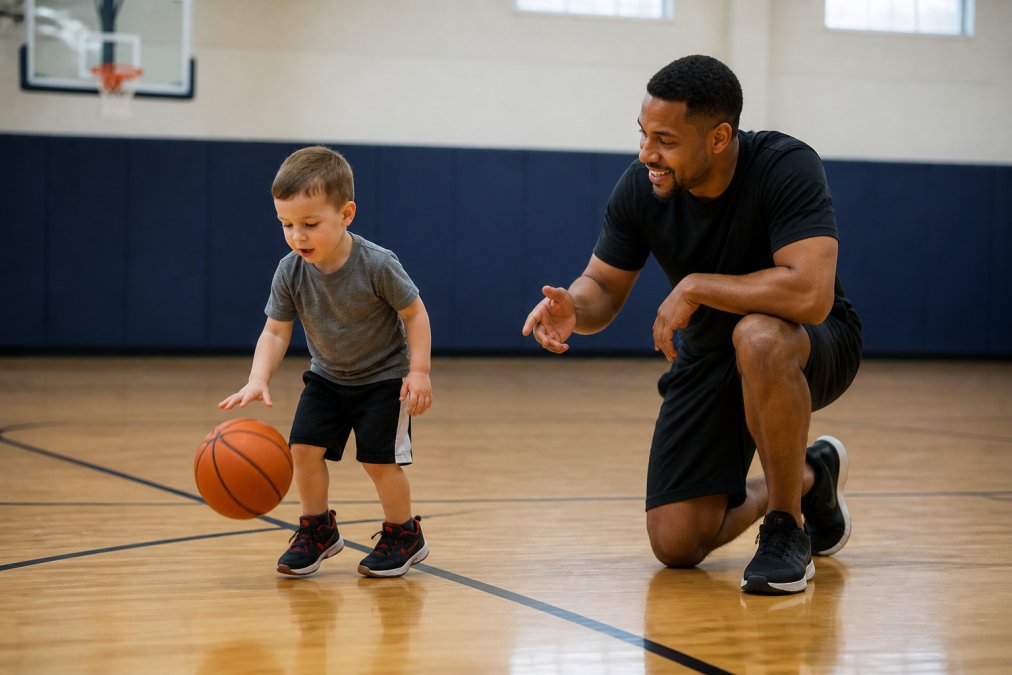
Understanding where your child sits on the athletic development spectrum is the first filter in how to choose youth basketball programs. A child aged 4 to 6 needs playful, exploratory sessions that build fundamental motor skills and a love for movement. For ages 7 to 10, the focus should shift toward structured skill development, learning basic rules, and developing coordination in a supportive setting. Players aged 11 to 16 who are serious about the game may be ready for the competitive pathway, which introduces tryouts, higher practice demands, and travel.
Research shows early specialization is less effective than a broad, skill-focused foundation, and many experts advocate multi-sport participation to build athleticism and prevent burnout (peer-reviewed research). If your child is under 10, prioritize fun, fundamentals, and equal playing time. For older kids, ask directly: do they want to play recreationally, or aim for a rep team?
Recreational vs Rep Basketball: Which Pathway Fits?
The decision between recreational vs rep basketball is the most significant fork in the road for young athletes and their families. Recreational leagues, sometimes called house leagues, typically feature one or two practices and one game per week, with a focus on participation, sportsmanship, and fundamental skills. Rep basketball, also known as competitive or travel basketball, involves a more significant time commitment, including multiple weekly practices, weekend tournaments, and travel, all geared toward higher-level competition and player progression.
This choice should be driven by the child's motivation, not just the parent's ambition. A player who thrives on challenge and handles feedback well is a better candidate for the competitive pathway; a child who enjoys the social game without tryout pressure will flourish recreationally. Many clubs offer a middle-ground option for players not ready for full rep commitment but wanting more serious training.
What to Look For in a Coaching Philosophy
A program's coaching philosophy determines whether your child leaves practice inspired or discouraged. Ask the director or head coach to explain their approach. A sound philosophy balances skill development with character building, teaching players how to win and lose with grace. The best coaches view themselves as educators first, using basketball to teach discipline, teamwork, and resilience.
Winning vs. Skill Development
The tension between winning and skill development reveals a program's true priorities. A program obsessed with winning at young ages often relies on the most physically advanced kids, stunting late bloomers and creating a cutthroat environment. Look for one that explicitly commits to age-appropriate training, where scores are secondary to individual progress and skill mastery.
Evaluating Practice Schedules and Time Commitment
Before registering, map out the season's total time commitment. A recreational season might involve one to two sessions per week, while a rep team can demand three or more practices plus weekend travel. Consider the impact on siblings and parents managing the logistics.
The table below summarizes typical commitments to help you compare pathways:
| Pathway | Practices per Week | Games per Week | Season Duration | Travel |
|---|---|---|---|---|
| Recreational | 1-2 | 1 | 10-14 weeks | Minimal |
| Competitive (Rep) | 2-3 | 1-2 | 16-24 weeks | Regional/Provincial |
| Camps/Clinics | 1-5 sessions | N/A | 1-8 weeks | None |
Many parents underestimate the travel burden of rep basketball, which can involve early morning departures and long weekends on the road. Be honest about your family's bandwidth. A program that creates constant family stress is a recipe for quitting; the goal is sustainable participation.
Budgeting for Fees, Travel, and Equipment
Youth basketball costs go far beyond the registration fee. Rep programs carry higher fees due to coaching certification, gym rentals, and tournament entries, plus travel, hotels, and apparel. Recreational leagues are more budget-friendly, typically covering a jersey and basic insurance. Proper shoes and a ball are additional expenses for any pathway.
Registration fees vary by facilities, coaching qualifications, and structure. Check the program's website or contact the coordinator for a full breakdown of what the fee includes. Ask about payment plans, sibling discounts, and fundraising opportunities. A transparent program will walk you through the budget so there are no surprises.
Youth Basketball Skill Development Drills to Look For
A quality program should have a clear training curriculum, not just scrimmages. Look for skill development drills that follow a deliberate progression, structured around a periodized plan that builds week over week. Here is what separates a developmental practice from a babysitting session.
The Anatomy of a Developmental Practice
A well-run practice for players aged 8 to 12 opens with a dynamic warm-up including movement skills, then unopposed skill work, opposed drills, and finally small-sided games. If a practice jumps straight into a full-court scrimmage with no instructional segment, your child will not develop foundational skills.
Concrete Drill Progressions to Observe
Look for how the coach sequences drills. A strong ball-handling progression starts with stationary dribbling, moves to dribbling while walking, then to 1-on-1 defensive pressure. Shooting should progress from form shooting close to the basket, to catch-and-shoot, to off-the-dribble. A coach teaching a 7-year-old to shoot from three-point range is a red flag; the distance prevents proper mechanics.
Skill Development vs. Scrimmage Time Ratio
For players under 12, at least 60 to 70 percent of practice time should be spent on drills and small-sided games, not full-court scrimmages (usab.com). Full-court 5-on-5 often lets the most skilled player dominate while others stand around. Small-sided games like 3-on-3 force more touches and decisions. Ask the coach how they balance these formats.
The Role of Deliberate Practice
Look for deliberate practice, focused repetition with immediate feedback. A coach who circulates, correcting hand position or head posture, provides it; one who yells "good job" to the whole group does not. For players under 10, a ratio of 1 coach to 6 players is a reasonable minimum. For older rep teams, 1 to 8 is common, but the coach should remain actively engaged.
Beyond the Drills: The Missing Piece in Most Programs
The deeper question is whether the program teaches players how to learn. Coaching science emphasizes implicit learning, letting players discover solutions through game-like scenarios. A program using constraint-based drills, such as limiting dribbles in 3-on-3 to force passing, teaches decision-making. Ask a coach how they handle a player struggling with a new skill: do they break it down, or repeat the drill louder?
A Checklist for Evaluating a Practice Session
Use this quick checklist when you observe a session:
- Warm-up: Does it include movement skills, or just static stretching and jogging?
- Instructional clarity: Does the coach explain the why behind the drill, not just the what?
- Feedback frequency: Is the coach giving individual, specific feedback, or generic praise?
- Touches per player: In a 10-minute drill block, does each player get a ball or a turn frequently?
- Game context: Do the drills look like basketball, or are they isolated tasks with no connection to the game?
- End of practice: Does the coach summarize what was learned and set a goal for the next session?
A program that checks most of these boxes is investing in your child's long-term development. One that does not is likely filling roster spots rather than building players.
Choosing the Right Basketball Camp for Seasonal Growth
A basketball camp can supplement a league season with concentrated skill work. Consider the camper-to-coach ratio, and look for camps that group children by age and skill level. A good camp should provide a written or verbal summary of your child's strengths and areas for improvement.
Camps are a low-pressure way to test a club's culture before committing to a season. If your child connects with the coaches, it is a strong indicator the club's regular programs will fit. Many clubs offer introductory sessions for younger children before joining a league.
Red Flags and Bad Advice to Ignore
Knowing what to avoid is just as important as knowing what to look for. Beyond win-at-all-costs coaches, several less-discussed red flags signal a program is not operating in your child's best interest, covering legal, financial, and developmental pitfalls.
The Insurance and Liability Blind Spot
One of the most overlooked aspects of youth sports is insurance. In Canada, most community-based programs are covered under a municipal or provincial liability policy, but this is not always the case for private clubs or AAU-style travel teams. Ask the director: Who is the governing body? Are coaches NCCP-certified? What does the fee cover for accident or injury insurance?
A reputable program will have a clear answer and typically be affiliated with a recognized provincial basketball association. If it cannot name its governing body or is vague about insurance, that is a red flag, you may be personally responsible for medical costs not covered by provincial health care, such as physiotherapy or dental work.
The Over-Specialization Trap
A common piece of bad advice is that a young athlete must specialize year-round to make a rep team or earn a scholarship. Long-term athlete development (LTAD) models consistently show early specialization leads to burnout, overuse injuries, and dropout (sportforlife.ca). A program that discourages other sports or mandates year-round training for players under 14 prioritizes its roster over your child's health.
The Guarantee That Should End the Conversation
Any program that guarantees your child will make a rep team, earn a scholarship, or play at a certain level is making a promise it cannot keep. No reputable club can control growth trajectory, competition pool, or future coaches' evaluations. This is a marketing tactic aimed at anxious parents. Walk away.
The Hidden Costs of "Development" Fees
Some programs advertise a low registration fee but add mandatory costs for tournaments, team gear, or "player development" sessions. Ask for a complete, itemized list of all fees in writing. A program that is evasive is a red flag. In Canada, where tournament travel distances are significant, hidden costs can add up to thousands of dollars.
The Culture of Silence
A final red flag is a program that discourages parents from asking questions or observing practices. If a coach becomes defensive when you ask about playing time, certification, or safety protocols, that defensiveness is a warning sign. You are being diligent, not difficult. The right program will appreciate your engagement and have clear answers.
A Trust-First Vetting Checklist
Before you sign up, run this checklist:
- Governing body: Is the program affiliated with a recognized provincial basketball association?
- Coach certification: Are all coaches NCCP-certified at a level appropriate for the age group?
- Insurance: What does the fee cover in terms of injury or accident insurance?
- Fee transparency: Is there a complete, itemized fee schedule in writing?
- Practice observation: Can you sit in on a practice before registering?
- Multi-sport policy: Does the program support or discourage participation in other sports?
- Playing time philosophy: Can the coach articulate a clear, age-appropriate policy on playing time?
A program that passes this checklist is far more likely to be a safe, developmentally sound environment. One that does not is not worth the risk, regardless of how many tournaments it wins.
Frequently Asked Questions
What is the difference between recreational and rep basketball programs?
Recreational programs, often called house leagues, focus on participation, fundamental skills, and fun. They have lower time commitments and costs. Rep basketball is competitive and involves tryouts, more frequent practices, travel for games, and higher fees. Rep programs suit players with more experience and a stronger drive to improve. Consider your child's age, skill level, and interest. A rec program builds foundational skills, while rep offers a higher level of competition and training.
How do I evaluate the coaching quality in a youth basketball program?
Ask about coaching certification and the program's stated philosophy. Good coaches prioritize skill development and player progression over winning. They communicate clearly with parents and create a positive environment. Ask if you can watch a practice. Observe how coaches give feedback and manage playing time. A quality program will have a plan for each session and a clear curriculum aligned with age-appropriate training principles.
How many hours should a 10 year old practice basketball?
For a 10-year-old, focus on quality over quantity. Two to three structured team practices per week, each lasting 60 to 90 minutes, is a solid guideline. Add short, fun skill-building sessions at home, like 15 to 20 minutes of dribbling drills. Watch for signs of burnout and fatigue. The goal should be consistent, age-appropriate training that develops skills while keeping the game enjoyable.
What should I look for in a basketball program's development philosophy?
Look for a philosophy centered on long-term athlete development rather than short-term wins. The program should emphasize fundamental skills, sportsmanship, and a love for the game. Good programs use age-appropriate training methods and encourage multi-sport participation for younger athletes. They should also have a clear plan for player progression across age groups. Avoid programs that focus on winning at all costs, as this can lead to burnout.
How do I know if a basketball program is the right fit for my child's age and skill level?
Ask the program how they group players. Quality programs group by both age and skill to ensure practices are challenging but not overwhelming. For beginners, look for programs that teach fundamentals in a supportive environment. For older or more advanced players, check if they offer competitive pathways. A good program will help your child progress, whether they are just starting or aiming for rep tryouts.
What is the 'Golden Window' for motor skills in youth sports?
The 'Golden Window' refers to a period in childhood, roughly between ages 7 and 12, when the brain is especially receptive to learning and refining fundamental movement skills. This makes it an ideal time to introduce structured basketball training. Programs that recognize this will focus on developing coordination, agility, and basic skills during these years, which builds a strong athletic foundation for future success.