 how-to
How to Register for Kids Basketball Classes in Georgetown
Table of Contents
- Youth Basketball Leagues in Halton Hills: An Overview
- Step-by-Step Guide to Registering for Kids Basketball Classes
- Beginner Basketball Classes for Children: What to Expect
- Basketball Skill Development for Youth: Program Levels and Progression
- Key Dates and Registration Deadlines for Kids Basketball Classes
- Costs and Fee Structures for Youth Basketball Programs
- What to Do After You Register: Next Steps and Tips
- Frequently Asked Questions
Last Updated: September 12, 2026
Youth Basketball Leagues in Halton Hills: An Overview
Youth basketball in Halton Hills runs on a seasonal rhythm: fall and winter house leagues, spring skill clinics, summer camps, and rep tryouts. For families searching for how to register for kids basketball classes in Georgetown, the process is straightforward, but the deadlines are unforgiving, What most guides skip: registration is a sequence, create an account, pick the right program level, pay, and confirm. Miss any step and your spot can quietly disappear.
Below, we'll walk through the full sequence, what each program level actually looks like, and the dates you cannot afford to miss. The Government of Canada's physical activity guidelines for children and youth make clear that organized sport builds both physical literacy and confidence, which is why matching your child to the right level matters more than registering early.
Step-by-Step Guide to Registering for Kids Basketball Classes
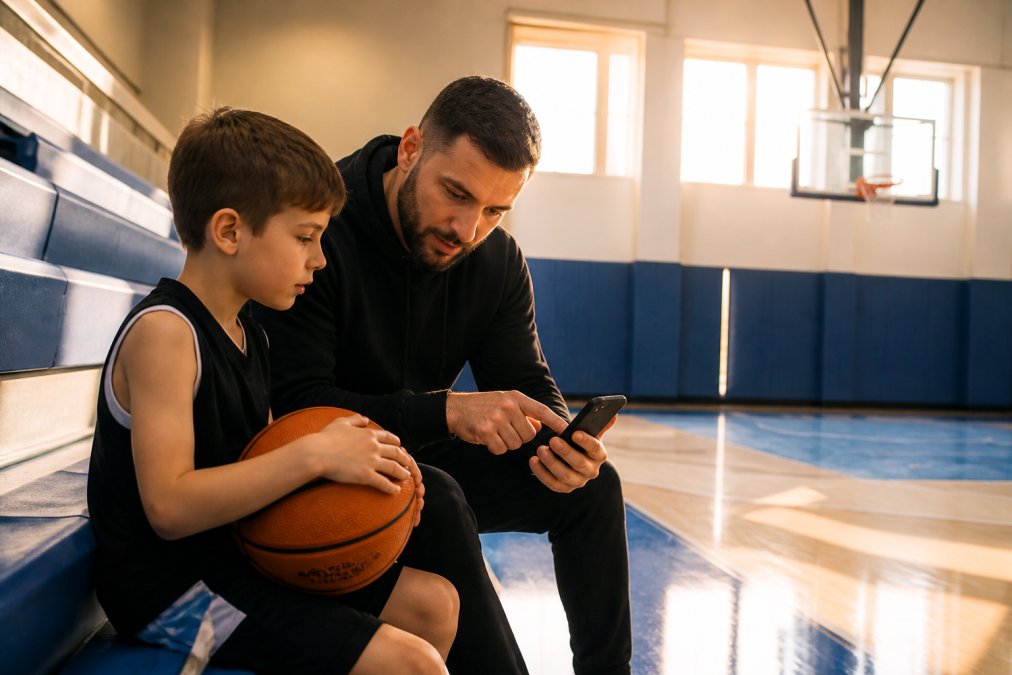
Registration for kids basketball classes takes about 15 minutes online if you have your information ready. These three stages are where almost every hiccup happens.
Create an Account on the Registration Portal
Set up one parent account with your email, a password, and your child's date of birth. Add your child as a dependent profile now, because eligibility is filtered by birth year. Registering more than one child? Add them all here, sibling placement requests are handled at this step.
Complete the Online Registration Form
The form asks for your child's name, birth date, school, emergency contacts, and medical notes. Two fields trip people up: the program level, which you should choose by current skill rather than age alone, and the parental consent and waiver, which must be signed electronically before the form submits.
Submit Payment and Confirm Enrollment
Payment completes the registration. Most programs accept credit card through the portal. Once payment clears, you'll get a confirmation email, save it. If it doesn't arrive within an hour, check spam, then verify your child appears under "My Programs" in the portal.
Beginner Basketball Classes for Children: What to Expect
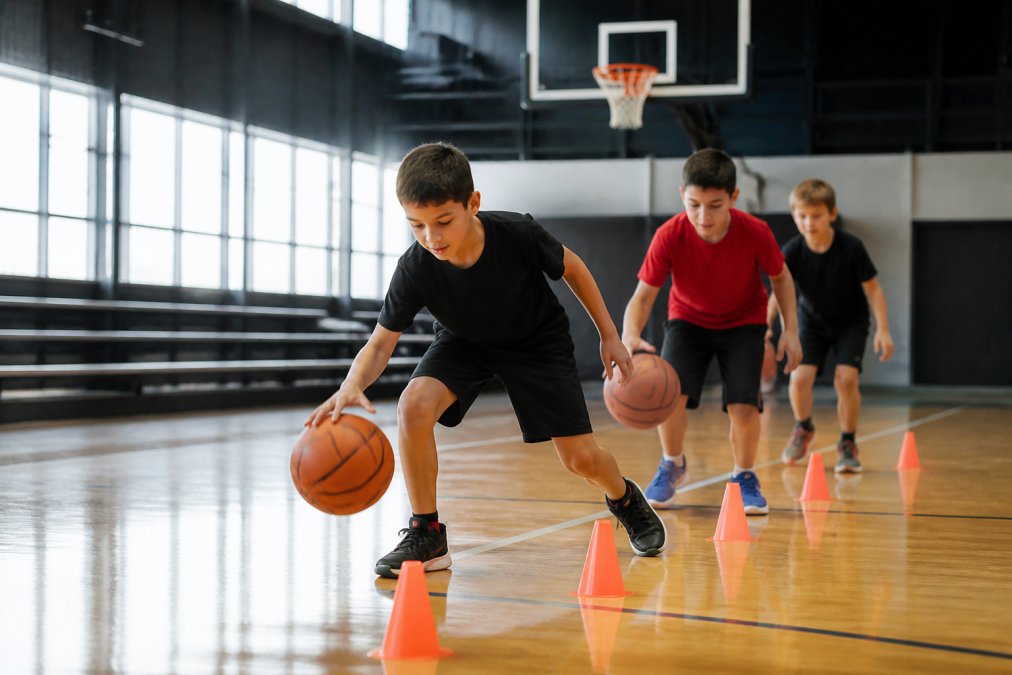
Beginner basketball classes for children are built around play, not drills. For ages 4 to 6, a typical session runs 45 to 60 minutes and focuses on running, jumping, balance, and basic ball handling through games (csepguidelines.ca). If your five-year-old has never touched a basketball, these sessions are designed for them.
The "Golden Window" refers to the early childhood years when motor skills develop fastest (PubMed). Programs for this age prioritize physical literacy and fun over technique. Expect small-sided games, frequent activity changes, and coaches who kneel to eye level.
What most parents miss: a good beginner program won't look like a mini adult practice. If you see 45 minutes of stationary drills with no game play, that's a mismatch.
Basketball Skill Development for Youth: Program Levels and Progression
Basketball skill development for youth progresses through three tiers: introductory, recreational house league, and competitive rep. Each has a different commitment level, and moving up should follow your child's readiness, not their age or your ambition. Proper preparation for these transitions also involves securing the correct youth sports uniforms to ensure every player feels fully integrated into their new team environment.
| Level | Ages | Focus | Commitment |
|---|---|---|---|
| Introductory | 4-6 | Physical literacy, fun, basic ball handling | 1 session per week |
| House league | 7-10 | Fundamentals, game play, team concepts | 1-2 sessions per week |
| Rep / competitive | 11-16 | Advanced skills, tournament schedule | 3+ sessions per week |
The middle ground is where most families get stuck. A 9-year-old who is serious but not ready for rep tryouts needs a program that blends fundamentals with real game time. Ask any program one direct question: how much of each session is game play versus drills? For this age, a healthy balance is roughly half and half.
How to Match Your Child to the Right Stream
Most registration pages list a program level and an age range, then leave the decision to you, the biggest source of mismatched placements. Use the guide below to sort your child into recreational or competitive before you register, not after the first practice.
Choose recreational (introductory or house league) if your child:
- Has never played organized basketball, or has played only casually at school or in the driveway
- Is still learning to dribble with either hand, make a chest pass, or shoot from close range
- Prefers a low-pressure environment and may be nervous about tryouts or being evaluated
- Plays other sports in the same season and cannot commit to three or more sessions per week
- Is younger than 9 and has not yet developed the coordination for full-court play
Choose competitive (rep) if your child:
- Has played at least two full seasons of house league or equivalent
- Can dribble, pass, and shoot with basic consistency under light defensive pressure
- Wants to practice multiple times per week and is comfortable with a tournament schedule that includes travel
- Is willing to try out and accept that roster spots are limited
- Has the emotional readiness to handle being benched, coached hard, and evaluated publicly
A common pattern is that the jump from house league to rep happens too early, driven by a parent's enthusiasm rather than the child's readiness. A 10-year-old who is the best player in house league may still be a marginal rep candidate if the rep pool draws from a wider region, and a quiet child who doesn't dominate house league may thrive in rep.
The Development Pathway Between Streams
Ask these questions before committing to a rep tryout:
- Is there a development or pre-rep stream? A bridge program that adds one extra practice per week without the full tournament commitment, right for a child ready for more than house league but not rep.
- Can a rep player move back to house league mid-season? If a child is overwhelmed, a club may allow a temporary or permanent move without penalty.
- What happens if my child tries out and does not make the team?
- Are there skill assessments before placement? Some clubs run a short evaluation to place house league players on balanced teams; others place by age only. Neither is wrong, but know which model you're registering into.
If your child is on the bubble, register for house league first and ask about the development pathway in the same conversation, that way you have a confirmed spot regardless of how tryouts go.
Key Dates and Registration Deadlines for Kids Basketball Classes
Registration deadlines follow the season and arrive earlier than most parents expect. Fall and winter house league registration typically opens in late summer and closes before the season starts, while spring clinics and summer camps open on their own schedules. Rep tryouts require a separate sign-up.
The practical rule: check the registration portal at the start of each season, not when you notice other kids heading to the gym. Programs run on fixed session dates, and mid-season enrollment is rarely possible. If you miss a deadline, join the waitlist immediately, spots open when families move or schedules change.
Costs and Fee Structures for Youth Basketball Programs
Costs vary by program level, session length, and whether the program is recreational or competitive. Introductory and house league programs typically charge a single seasonal fee covering gym time, coaching, and a uniform. Rep programs cost more because they include extra practice time, tournament fees, and travel.
Pricing depends on the program and season, so check Tier 1 Sports's website for current fees rather than last year's numbers. Questions worth asking before you pay:
- Does the fee include a uniform, or is that separate?
- Are there installment options for rep-level costs?
- What happens to your fee if your child is injured mid-season?
- Is there a sibling discount for multiple children?
For rep programs, ask what happens if your child tries out and doesn't make the team. A club may offer a clear pathway, often a house league or development placement.
What the Registration Fee Usually Covers
Most clubs bundle the following into a single seasonal fee. When comparing programs, check whether each item is included or billed separately, the sticker price can mislead.
- Gym time and facility rental, the largest line item for most community programs
- Coaching stipends or honorariums, varies widely; volunteer-run programs cost less
- Uniform or jersey, sometimes included, sometimes a separate purchase
- League registration and officiating fees, passed through by the club
- Insurance, required for sanctioned play; usually a small per-player charge
- Equipment (balls, nets, training aids), typically covered by the club
What Is Usually Extra
Budget for these separately, because they are rarely included in the registration fee:
- Footwear, proper basketball shoes are the one piece of equipment worth buying new. Expect to pay for a fitted pair rather than using running shoes, which do not support lateral movement.
- Practice gear, shorts, moisture-wicking shirts, and a second jersey for rep players
- Travel for rep programs, tournament entry fees, fuel, and sometimes overnight accommodation
- Optional skill clinics or camps, often offered as add-ons during the off-season
- Team photos, banquets, and end-of-season events, small but recurring costs
How to Compare Two Programs on Cost
A lower registration fee doesn't always mean a cheaper season. Compare total cost, not sticker price:
- Add up the all-in number. Registration fee plus uniform plus any mandatory equipment plus expected travel.
- Ask about payment plans. Many clubs offer two or three installments for rep-level fees. Ask before you assume you have to pay in full at registration.
- Check the refund policy. Understand what happens if your child is injured, moves, or decides not to continue.
- Ask about financial assistance. Community clubs often have subsidies or sponsorship-funded bursaries. Tier 1 Sports's programs are generously sponsored by Real Estate Broker David Robbio, which helps keep community basketball accessible for local families. It is worth asking directly rather than assuming you do not qualify.
- Factor in sibling discounts. If you are registering more than one child, ask whether the discount applies to the second child's full fee or only to a portion.
A Note on Rep-Level Costs
Rep basketball is the most expensive stream: the most gym time, travel, and tournament entries. Before committing, ask the club for a season budget that lists tournament fees and travel separately from registration. If the total is out of reach, the development or house league stream offers most of the same skill development at a fraction of the cost.
What to Do After You Register: Next Steps and Tips
After you register, three things matter: confirm your spot, prepare your child, and stay reachable. Watch for the confirmation email and verify your child appears in the portal. Mark the first session date and facility location on your calendar, since programs run out of more than one gym.
Before the first session, label your child's water bottle and jersey, and arrive 15 minutes early to find the gym and meet the coaching staff. Tell the coach about any medical notes or anxiety; a good staff pairs a nervous newcomer with a supportive teammate.
If your child is between recreational and competitive, ask about a development pathway before committing to rep tryouts. A club may help you find the right fit.
Finding the right basketball program for your child comes down to matching their age, skill, and temperament to a level that keeps them engaged. Tier 1 Sports runs programs for ages 4 to 16 in Halton Hills, from introductory sessions through recreational house league and competitive rep basketball, all with a focus on skill development and a genuine passion for the game. Our programs are generously sponsored by Real Estate Broker David Robbio, keeping community basketball accessible for local families. Get started with Tier 1 Sports and find the pathway that helps your child realize their potential on the court.
Frequently Asked Questions
What is the best age to start basketball training?
Children can start introductory basketball programs as young as 4 years old, focusing on basic motor skills and fun. For skill development, ages 7 to 10 are ideal as coordination improves. Competitive rep basketball typically begins around age 11. The 'Golden Window' for motor skill development is roughly ages 6 to 12, making it a great time to build basketball fundamentals.
How do I register for Tier 1 Sports basketball programs?
Registration is done online through the Tier 1 Sports registration portal. Create an account, select the appropriate program based on your child's age and skill level, complete the form, and pay the membership fees. Be sure to check registration deadlines for each season.
What equipment does my child need for their first basketball class?
For beginner basketball classes, children need comfortable athletic clothing and non-marking indoor basketball shoes. A water bottle is also recommended. Most programs provide basketballs and other equipment. Some leagues may require a mouthguard for competitive play. Check with the program for specific requirements.
Are there basketball programs for girls in Georgetown?
Yes, many youth basketball leagues in Halton Hills offer co-ed and girls-only programs. Tier 1 Sports welcomes all children and provides age-appropriate training for both boys and girls. Girls can participate in recreational leagues, skill clinics, and competitive tryouts. Contact the program for details on girls' teams and schedules.