 How-to
9 Ways to Support Your Child in Youth Sports
Last Updated: November 17, 2026
Quick Summary
To support your child in youth sports, show up consistently, cheer calmly for effort on both teams, and let the coach do the coaching. Ask your child what they enjoyed rather than what they scored, and keep feedback short and positive so they stay motivated and keep playing.
- Kids whose parents cheer calmly tend to keep playing, while kids of pacing, shouting parents often quit by age twelve.
- After a game, say "I loved watching you play" and let your child lead the conversation.
- Praise effort over results, because effort is something your child controls and it builds resilience.
- Cap activities at one team plus one clinic for most kids under twelve, and protect one weekend day with no sports.
- Never resolve parent conflicts in front of the kids or on the sideline during a game.
Table of Contents
- Why Your Role in Youth Sports Matters More Than You Think
- What to Say to Your Child After a Game
- Positive Sports Parenting Tips for the Sideline
- How to Help a Child Build Confidence in Sports
- Signs a Child Is Burned Out From Sports
- Handling the Jump From Recreational to Competitive Sports
- Resolving Conflict With Other Parents and Coaches
- Finding the Right Program for Your Young Athlete
- Frequently Asked Questions
Why Your Role in Youth Sports Matters More Than You Think
Your job on game day is not to coach. It is to be the steady, familiar face your child looks for in the crowd. That single role shapes how they feel about youth sports for years.
Kids whose parents cheer calmly tend to keep playing, while kids whose parents pace and shout often quit by age twelve.
Here is the part most guides miss. Your behavior teaches your child how to handle pressure, mistakes, and wins. They copy what they see.
So what does good support look like in practice?
- Show up consistently, not just for big games
- Keep your feedback short and positive
- Let the coach do the coaching
- Ask your child what they enjoyed, not what they scored
That last one matters more than you think.
What to Say to Your Child After a Game
The best thing to say after a game is simple: "I loved watching you play." Keep it warm and short. Then let your child lead the conversation.
Too many parents jump straight to analysis. They mean well. But a quick critique in the car can undo a whole afternoon of fun.
The Three Questions That Open Real Conversation
Skip the scoreboard talk. Try these instead:
- "What was the best part of the game for you?"
- "What did you try today that was new?"
- "What do you want to work on next time?"
These questions do three things. They build intrinsic motivation. They show active listening. And they hand the game back to your child.
If your child is upset after a tough loss, give them space first. A quiet ride home beats a lecture every time.
Positive Sports Parenting Tips for the Sideline
Good sideline behavior comes down to one rule: cheer for everyone, and keep it positive. Your voice should lift your child up, never tear the other team down.
Here is what that looks like:
- Clap for good plays on both teams
- Never yell at referees or officials
- Keep coaching comments to yourself
- Stay seated and calm during close games
- Model sportsmanship for the kids watching
Cheer for Effort, Not Just Results
Effort-based praise builds resilience. "You hustled all game" lands better than "You scored the most points."
Why? Because effort is something your child controls. Results are not. Kids who hear effort-based praise keep trying after mistakes. Kids who only hear about results start fearing them.
This is positive reinforcement at its best. It protects mental well-being and keeps the game fun.
How to Help a Child Build Confidence in Sports
Confidence comes from trying hard things and surviving them. Your job is to make that safe.
A few practical moves:
- Praise the process, not the outcome
- Let your child set one small goal per game
- Normalize mistakes: everyone misses shots
- Avoid comparing them to teammates or siblings
- Celebrate small wins, like a good pass or a strong rebound
Performance anxiety fades when kids feel safe to fail. A pressure-free environment at home makes the court feel lighter too.
One insider tip: let your child teach you something they learned. Nothing builds confidence like being the expert.
Signs a Child Is Burned Out From Sports
Burnout shows up as a loss of joy, not just tiredness. Watch for these signs:
- Dreading practice or games that used to be fun
- Mood swings or stomachaches before games
- Dropping grades, sleep problems, or eating changes
- Saying "I don't want to go" more often than not
- Losing interest in skills they used to love
- Going through the motions at practice but perking up only on game day (or the reverse)
If you spot these, talk to your child first. Ask what feels hard, and listen without defending the schedule. Then talk to the coach about what they are seeing at practice.
Financial and Logistical Burnout Is Real
Here is an angle most guides skip. Burnout is not only emotional.
A common pattern in Canadian minor sports: a family starts in a low-cost community league, then adds a rep or travel team, then spring hockey or club volleyball, then private skills sessions. When the schedule leaves little room for extra sessions, keeping practice simple and focused can ease the pressure while helping kids build Hockey Positioning™ through play.
A common mistake is over-scheduling. More teams and more camps do not always mean more growth.
Try this instead:
- Cap the number of activities per season, one team plus one clinic is plenty for most kids under twelve
- Build in real rest days, and protect one weekend day with no sports at all
- Share carpool duties with other families, and rotate who drives to tournaments
- Set a season budget before tryouts, including travel, and stick to it
- Talk openly about what the family can handle, and let your child hear that the limit is the family's, not their fault
- Ask the coach about carpool-friendly practice groupings and shared hotel arrangements at away tournaments
Watch out: the sunk-cost trap is the biggest driver of family burnout.
For a deeper look at spotting and preventing burnout, read our guide on how to prevent burnout in youth sports.
If you spot these signs, talk to your child first and then the coach.
| Sign of burnout | What it looks like |
|---|---|
| Loss of joy | Dreading practice or games that used to be fun |
| Physical symptoms | Mood swings or stomachaches before games |
| Daily life changes | Dropping grades, sleep problems, or eating changes |
| Resistance | Saying "I don't want to go" more often than not |
| Lost interest | Losing interest in skills they used to love |
| Going through the motions | Perking up only on game day, or the reverse |
Handling the Jump From Recreational to Competitive Sports
Moving from recreational sports to competitive sports is a big step. The pace rises, the pressure rises, and playing time gets harder to earn.
The key is to let your child lead. Ask if they want to try out. Do not push.
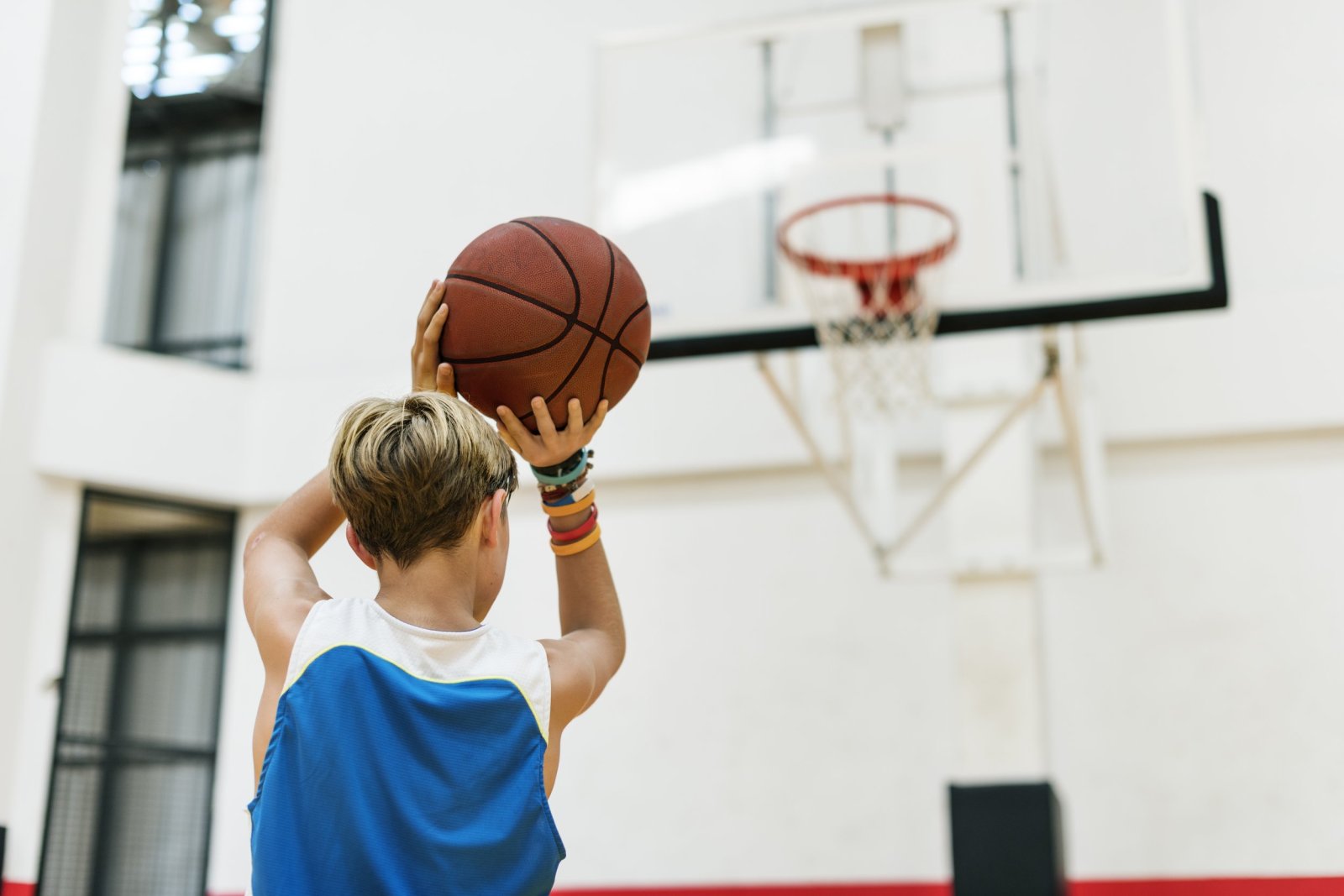
Here is how to make the jump smoother:
- Talk about the time and cost before tryouts
- Set realistic goals for the first season
- Expect a learning curve: the level jumps fast
- Keep cheering for effort, especially early on
If your child does not make a team, that is not the end. It is feedback. Help them decide what to work on next.
Families weighing the move can compare options in our guide to recreational vs competitive youth basketball. And for players ready to train for tryouts, our PREP FOR REP program helps kids build the skills competitive play demands.
Resolving Conflict With Other Parents and Coaches
Parent-to-parent conflict is the quiet problem in youth sports. Most of it starts with sideline comments, playing-time complaints, or a disagreement about how a coach is using a child. Handled badly, it follows the kid home.
The first rule is simple: never resolve it in front of the kids, and never on the sideline during a game. Kids read adult tension instantly, and a confrontation in the parking lot after a loss can undo a whole season of good sideline behavior.
A Step-by-Step Escalation Ladder
Work through these in order, and only move to the next step if the previous one fails:
- Let the first comment go. One offhand remark is not a pattern. Note it and move on.
- Talk privately, away from the field. A short, calm conversation after practice, not after a game, resolves most issues. Lead with curiosity: "I noticed you seemed frustrated with the rotation on Saturday. What did you see?"
- Assume good intent first. Most parents are reacting to their own child's disappointment, not attacking yours. Naming that out loud defuses more conflicts than any argument.
- Focus on the issue, not the person. "The yelling from the sideline is making it hard for the kids to hear the coach" lands better than "You need to calm down."
- Ask the coach for a scheduled chat. Not a doorstep ambush. Email or message the coach, ask for ten minutes before or after a practice, and bring one specific concern.
- Escalate to the club or association only if problems repeat. Most minor sports organizations have a parent code of conduct and a process for filing a concern. Use it in writing, and keep it factual.
Watch out: the fastest way to make a conflict worse is to recruit other parents to your side. Group messages and sideline huddles turn a two-person disagreement into a team-wide split that the kids feel immediately.
When the Conflict Involves Your Child
If another parent's behavior is directed at your child, yelling at them, criticizing them by name, or confronting them after a game, step in calmly and immediately.
The coach-athlete relationship matters more than any parent's opinion. Protect it. Kids thrive when they trust their coach, and a parent who undermines the coach in the car is quietly damaging that trust.
If a conflict involves your child's feelings, help them through it. Our article on helping a child through sports disappointment walks through those hard moments.
Finding the Right Program for Your Young Athlete
The right program fits your child's age, skill level, and interest. It should also feel safe and fun.
Look for these signs:
- Coaches who teach, not just yell
- Clear age-based programs
- Real game time, not endless drills
- A focus on skill acquisition and fun
- Parents who model good behavior
Parental involvement matters here too. Ask questions before you sign up. Watch a session. Talk to other families.
A healthy program builds physical literacy and long-term athlete development (Long-Term Development).
Want to know what a strong environment looks like? Read our list of signs of a healthy youth sports environment.
Supporting your child in youth sports takes patience, calm, and a willingness to let them lead.
Frequently Asked Questions
How can I encourage my child in youth sports without putting pressure on them?
Focus your feedback on effort and enjoyment rather than stats or outcomes. Ask what part of the game felt fun, praise a specific play you noticed, and let your child lead the conversation about their performance. Avoid post-game analysis in the car unless they ask for it. When kids feel their worth isn't tied to the scoreboard, they stay in youth sports longer and keep their intrinsic motivation intact.
What should parents do on the sidelines during a game?
Cheer for all players, not just your child. Keep instructions to the coach, and avoid calling out plays or correcting mistakes from the sideline. Model good sportsmanship by clapping for the opposing team and staying calm when calls go against your side. Your sideline behavior teaches game-day etiquette more effectively than any speech you give at home.
How do I know if my child is burned out from sports?
Watch for signs like dreading practice, frequent complaints of fatigue or soreness, declining performance, irritability, or losing interest in a sport they once loved. A child who asks to skip games repeatedly or seems anxious before practice may be experiencing burnout. Take it seriously, talk about it without judgment, and consider a break or a lighter schedule.
What happens if my child tries out for rep basketball and doesn't make the team?
A tryout result is one data point, not a verdict on your child's potential. Ask the coach for specific feedback on what to work on, keep your child in a recreational or development program to maintain skill acquisition and love for the game, and revisit tryouts next season. The goal is long-term athlete development, not a single roster spot.