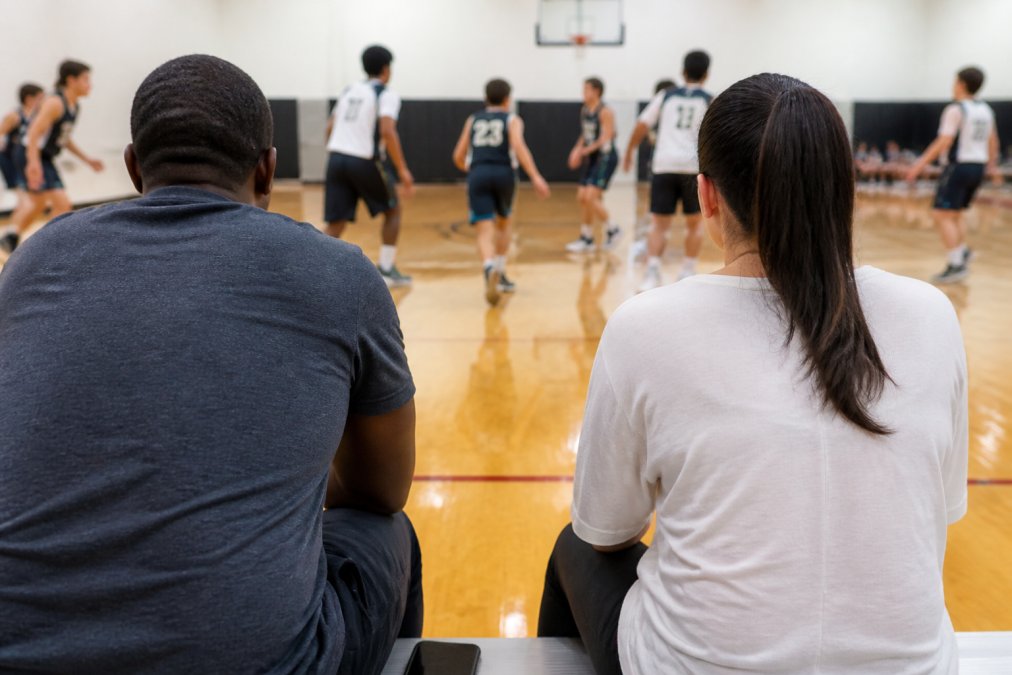
 ultimate-guide
Is Rep Basketball Worth It? A Parent's Guide
Table of Contents
- Rep Basketball vs. House League: What Actually Differs
- The Real Cost of Rep Basketball
- Rep Basketball Time Commitment: What Families Sign Up For
- Skill Development, LTAD, and the 'A' vs 'B' Team Dilemma
- Rep Basketball Tryout Tips That Actually Help
- Is Rep Basketball Worth It? A Decision Framework for Parents
- Conclusion
Last Updated: August 10, 2026
Rep Basketball vs. House League: What Actually Differs
Rep basketball is a competitive, tryout-based stream of youth basketball where players are selected by skill level, train more intensively, and compete against teams from other clubs and regions. House league, by contrast, is recreational, inclusive, and designed so that any child who registers can participate regardless of ability.
That distinction sounds simple. The reality is more layered.
At Tier 1 Sports, we work with families navigating this exact decision every season, and the question we hear most often is not "what is rep?" but "how different is it, really?" The answer depends on four things: structure, intensity, selectivity, and what your child actually wants from the sport.
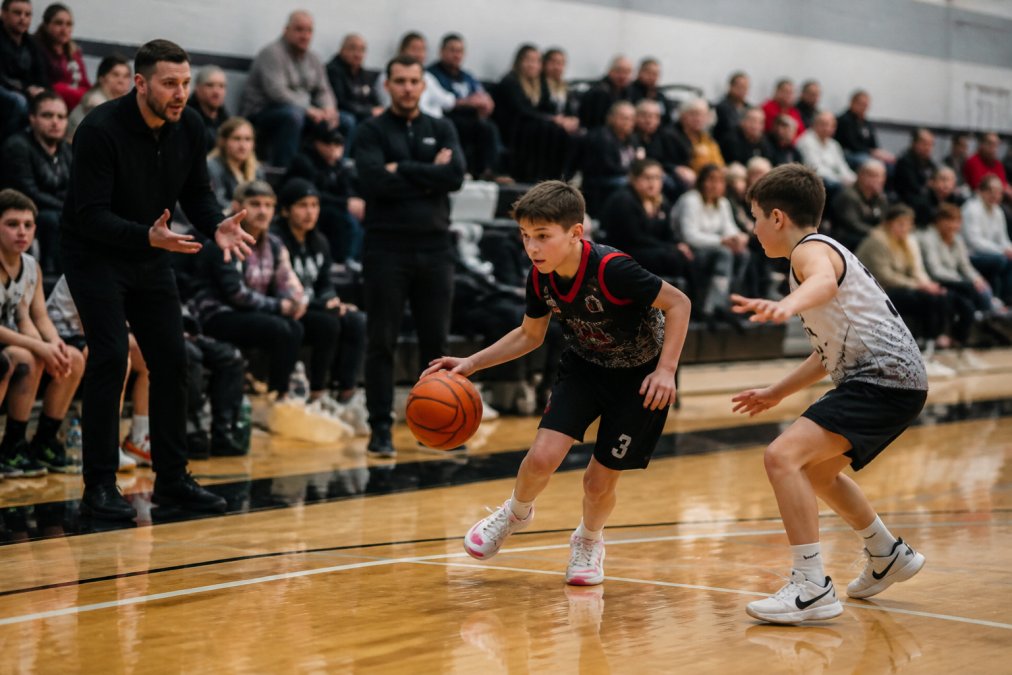
House league runs on a drop-in model. Registration is open, rosters are balanced, and the emphasis is on participation and fun. Practices are typically once per week, games are local, and the coaching philosophy prioritizes equal playing time over competitive results.
Rep basketball operates on a completely different logic. Rosters are small and earned through tryouts. Practices run multiple times per week. Teams travel to tournaments and compete in regional or provincial leagues. Coaches make decisions about playing time based on performance, and the team strategy is built around winning, not just developing.
| Factor | House League | Rep Basketball |
|---|---|---|
| Entry | Open registration | Tryout-based |
| Practice frequency | 1x per week | 2-4x per week |
| Travel | Local only | Regional/provincial |
| Playing time | Equal | Performance-based |
| Season length | Short (fall or winter) | Extended (fall through spring) |
| Cost | Lower | Significantly higher |
| Competitive pressure | Low | High |
The biggest thing most guides miss: the gap between house league and rep is not just skill. It is a lifestyle shift for the whole family.
The Real Cost of Rep Basketball
Most parents ask about registration fees first. That is the wrong starting point.
Registration is just the visible tip. The full cost of rep basketball includes everything that surrounds the season, and those surrounding costs routinely exceed the registration fee itself. Families who budget only for registration often find themselves caught off-guard by mid-season.
According to the Canadian Sport Policy and sport participation research, financial barriers are one of the leading reasons families exit competitive youth sport programs before their children reach their athletic potential. Understanding the full picture before you commit is not pessimism. It is responsible planning.
Hidden Costs Beyond Registration
Here is where the real cost of rep basketball lives:
- Tournament entry and travel: Rep teams typically attend multiple tournaments per season. Each tournament may require hotel stays, meals away from home, and fuel or transit costs. A single out-of-town tournament weekend can cost a family several hundred dollars.
- Uniforms and equipment: Rep programs often require specific uniforms, practice gear, and shoes. Expect to replace basketball shoes at least once per season for growing athletes.
- Skill development training: Many rep players supplement team practice with individual training, skills clinics, or position-specific coaching. These sessions carry their own fees.
- Fundraising obligations: Some clubs require players or families to participate in fundraising to offset program costs. Opting out often means paying a buyout fee.
- Volunteer hours: Many club programs require parent volunteer commitments. The time cost is real even when it does not appear on an invoice.
- Year-round conditioning: Elite development at the rep level increasingly extends into the off-season through summer leagues and conditioning programs.
For current program fees at Tier 1 Sports, visit the website directly. Pricing varies by age group, program stream, and season.
Rep Basketball Time Commitment: What Families Sign Up For
The rep basketball time commitment is the single most underestimated factor in this decision.
A typical rep season runs from late fall through spring, often overlapping with school exams, family holidays, and other sports. During peak season, players attend two to four practices per week plus weekend games and tournaments. Add travel time and you are looking at a substantial weekly time investment for the entire household, not just the athlete.
This matters for multi-sport athletes especially. Many youth sport development experts and the Long-Term Athlete Development framework from Canadian Sport for Life caution against early single-sport specialization. The rep basketball calendar can make it difficult for younger athletes to maintain participation in other sports, which has implications for overall athletic development and burnout risk.
Practically, families should map out the full season calendar before committing. Ask the program for tournament dates, practice schedules, and any mandatory events. Then hold that calendar against school commitments, family plans, and your child's other activities. If conflicts are significant before the season starts, they will be worse once the season is underway.
For parents with multiple children in different programs, the logistics compound quickly. Carpooling networks and clear communication with coaching staff about occasional absences are worth establishing early.
Skill Development, LTAD, and the 'A' vs 'B' Team Dilemma
Rep basketball accelerates skill development in ways that house league simply cannot replicate. The combination of higher practice frequency, competitive game experience against stronger opposition, and structured coaching philosophy produces measurable growth in basketball IQ, fundamentals, and physical conditioning.
The Long-Term Athlete Development model from Canadian Sport for Life identifies specific windows where athletic skill acquisition is most efficient. For children in the 8-12 age range, this period is particularly important for developing fundamental movement skills and sport-specific technique. Rep-level training intensity during these years can build a foundation that recreational programs rarely match.
Here is the part most guides avoid: not all rep experiences are equal, and the 'A' vs 'B' team placement matters more than families expect.
Most rep clubs field multiple teams at each age group, typically labeled A and B or Tier 1 and Tier 2. A child who makes the B team is still in rep basketball, but the training intensity, coaching quality, and competitive exposure can differ substantially from the A team. More importantly, the playing time dynamics shift. A player who would start on the B team and develop through game experience may sit the bench on the A team, which is not always the better outcome for long-term development.
The honest question to ask any program: what does player development look like on your B team, not just your A team?
Mental Health, Burnout, and Competitive Pressure
Competitive pressure is one of rep basketball's least-discussed costs, and it is not always financial.
Youth athletes in high-commitment programs face real psychological demands: tryout anxiety, fear of losing roster spots, performance expectations from coaches and parents, and the social pressure of team dynamics. For many kids, this environment builds resilience and mental toughness. For others, it accelerates burnout and erodes the love of the game entirely.
Burnout prevention in youth sport is a documented concern. Research compiled by the Canadian Paediatric Society on sport specialization and youth athletes highlights that early single-sport specialization and high training loads are associated with increased dropout rates and psychological stress in adolescents.
Signs that a child is struggling rather than thriving in a competitive environment include declining enthusiasm before practices, frequent physical complaints without clear injury, and withdrawal from friends or other activities. These are not signs of weakness. They are signals worth taking seriously before the season accelerates.
The healthiest rep experiences tend to share a common coaching philosophy: competition is the vehicle, not the destination. Programs that treat winning as the only metric tend to produce shorter athletic careers.
Rep Basketball Tryout Tips That Actually Help
Tryouts are high-stakes for kids and nerve-wracking for parents. Most advice focuses on the obvious: practice your dribbling, show up early. Here is what actually separates players who make rosters from those who do not.
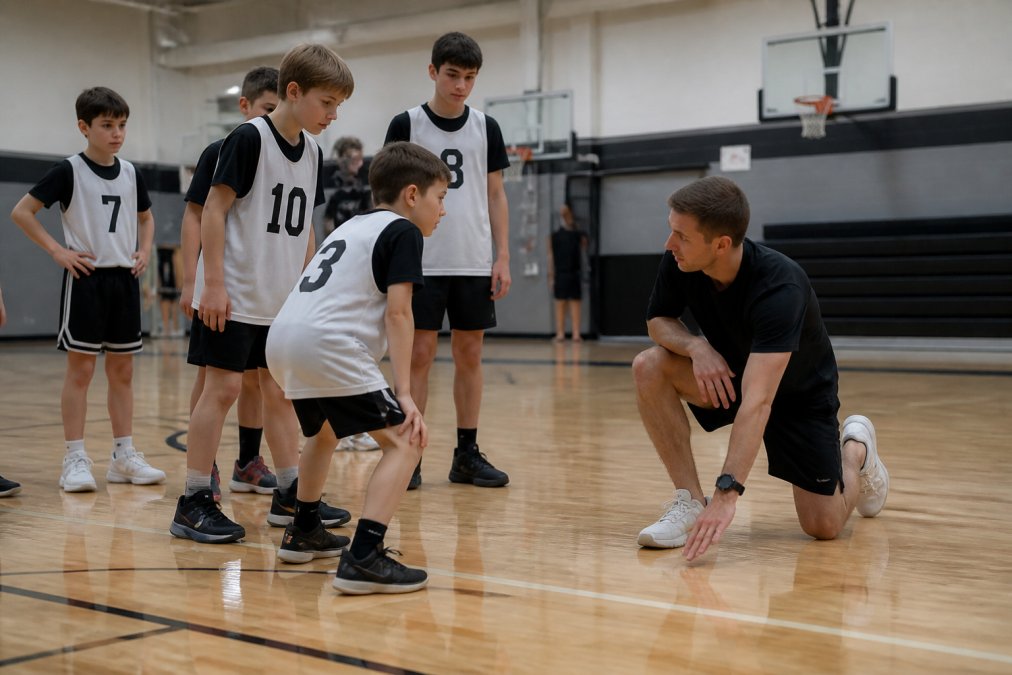
Coaches watch attitude before skill. At the rep level, coaches are selecting players they will spend an entire season with. A player who communicates with teammates, responds to feedback, and competes hard without the ball stands out. Technical skill is easier to develop than character.
Prepare physically, not just technically. Rep basketball tryout preparation should include conditioning work in the weeks before, not just ball-handling drills. Players who fade in the second half of a tryout session leave a poor impression regardless of their skill ceiling.
Know the basics cold. Coaches at tryouts are not looking for elite performers. They are looking for players who execute fundamentals reliably under pressure: defensive stance, box-out positioning, reading a pick-and-roll. Scouting at this level rewards consistency over flash.
Here are the rep basketball tryout tips that matter most:
- Arrive early and warm up independently before the session starts
- Make eye contact with coaches and respond verbally to instructions
- Communicate on defense, even in drills where it feels unnecessary
- Sprint back on every transition, even when you are tired
- Recover quickly from mistakes without visible frustration
- Ask one good question at the end of the session if the format allows
If your child tries out and does not make the team, that outcome is not the end of the story. Many players who are cut at one age group make the team the following year after a focused development season. Programs like Tier 1 Sports offer skill-development pathways specifically designed for athletes who are between recreational and competitive streams, so the gap year becomes a growth year rather than a lost one.
Is Rep Basketball Worth It? A Decision Framework for Parents
Rep basketball is worth it when the child wants it more than the parent does. That single criterion explains more successful rep experiences than any combination of skill level, budget, or schedule compatibility.
Beyond that core test, use this framework to evaluate the decision honestly.
Ask these questions before committing:
- Does my child ask about basketball between practices, or do I have to motivate them to go?
- Can our family absorb the full cost (including hidden costs) without financial stress?
- Does our schedule allow for 2-4 practices per week plus weekend tournaments?
- Is my child emotionally ready for performance-based playing time?
- Have I spoken with the coaching staff about their player development philosophy?
If the answers are mostly yes, rep basketball is likely a good fit. If several answers are uncertain or no, a structured recreational or intermediate program may serve the child's development better at this stage.
Pros and Cons at a Glance
| Factor | Pro | Con |
|---|---|---|
| Skill development | Accelerated through intensity and competition | Can plateau if playing time is limited |
| Athletic progression | Faster against stronger opponents | Early specialization risk for younger athletes |
| Team dynamics | Stronger bonds through shared challenge | Social pressure and roster anxiety |
| Commitment level | Builds discipline and consistency | High demand on whole family schedule |
| Competitive pressure | Prepares athletes for high-stakes moments | Burnout risk if intrinsic motivation is low |
| Long-term development | Strong foundation for elite performance | May crowd out other sports prematurely |
| Financial cost | Investment in serious athletic development | Significant total cost beyond registration |
The honest answer to "is rep basketball worth it" is: it depends entirely on the child in front of you, not the child you imagine they might become.
For families who are not certain their child is ready for the full rep commitment, an intermediate development program builds the fundamentals and basketball IQ that make the rep tryout experience far less intimidating when the time comes. That pathway, from recreational to competitive, is exactly what programs designed around long-term athlete development are built to support.
You can find more guidance on youth sport participation and athlete development through the Coaching Association of Canada's resources for parents.
Deciding whether rep basketball fits your child is one of the more consequential calls a sports parent makes, and it deserves more than a gut feeling. Tier 1 Sports offers both competitive rep basketball and skill-development programs specifically designed for athletes who are building toward that level, with age-appropriate coaching from 4 to 16 and a philosophy that puts long-term development ahead of short-term results. If your child is ready to find out where they stand, the next step is clear: sign up for REP TRYOUTS and let the court answer the question.
Frequently Asked Questions
What is the difference between house league and rep basketball?
House league is recreational and open to all skill levels, with no tryouts and a focus on participation. Rep basketball is competitive and requires players to earn a roster spot through tryouts. Rep teams train more frequently, play in regional or provincial tournaments, and demand a higher level of athletic progression, basketball IQ, and personal commitment from both the player and their family throughout the season.
At what age should a child start playing rep basketball?
Most rep programs begin accepting players around age 10 to 11, though some clubs offer competitive streams as early as age 9. Youth development research supports building fundamental movement skills first through recreational play. Children aged 4 to 9 generally benefit most from introductory and skill-development programs before transitioning to the structured tryout process and seasonal commitment that rep basketball requires.
How much does rep basketball cost per season?
The cost of rep basketball varies by club, region, and competition level. Registration fees are just one part of the total expense. Families should also budget for equipment, travel to tournaments, accommodation, team apparel, and optional individual training. Costs differ significantly between local rep programs and elite travel team formats. Contact your club directly for current season pricing rather than relying on general estimates.
How do you know if your child is ready for rep basketball?
Readiness goes beyond raw skill. Look for consistent enthusiasm for practice, the ability to handle constructive coaching without getting discouraged, and a genuine desire to compete rather than just socialize. A child who handles competitive pressure well, shows coachability, and is willing to commit to a demanding practice schedule is a stronger candidate than one who is simply athletic but not yet mentally prepared for the rep basketball environment.
This article was written using GrandRanker