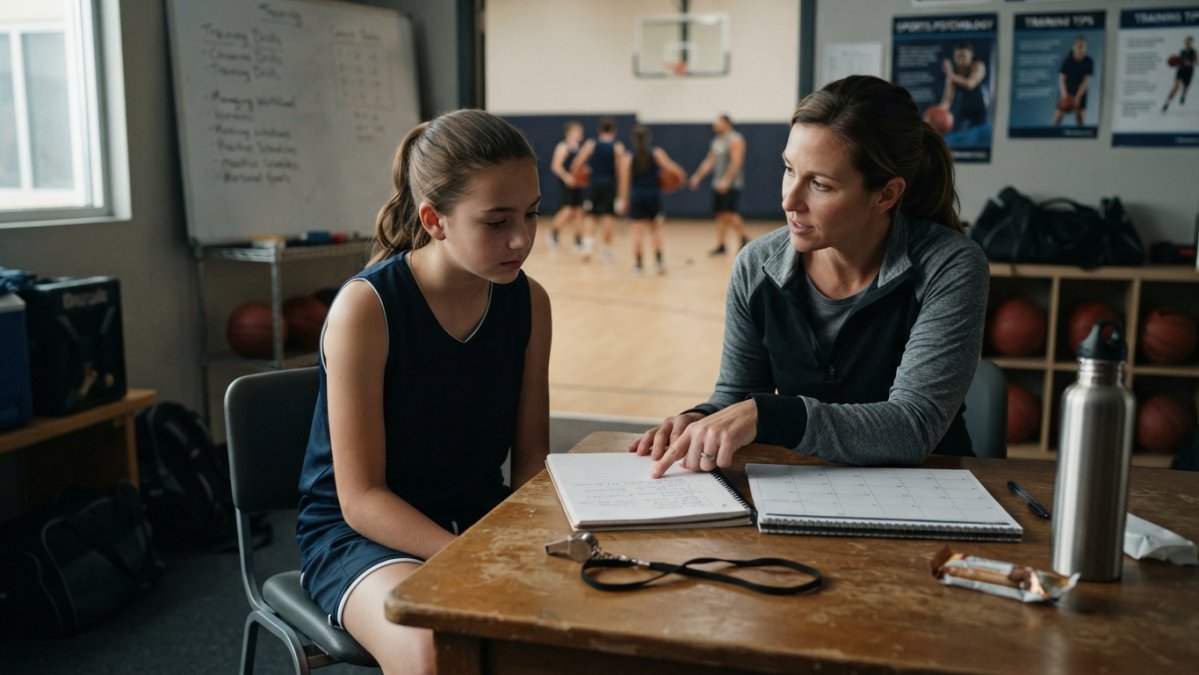
 how-to
Managing Burnout in Competitive Youth Sports
Table of Contents
- What Is Athlete Burnout and Why It Matters
- Signs of Athletic Burnout in Children
- The Root Causes: Year-Round Specialization and Parental Pressure
- Recovery Strategies for Youth Athletes
- Balancing Competitive Sports and School
- Creating a Sustainable Training Environment
- Post-Burnout Recovery: Getting Back on Track
- Frequently Asked Questions
Last Updated: September 27, 2026
What Is Athlete Burnout and Why It Matters
Athlete burnout in youth sports is a state of physical, emotional, and mental exhaustion that develops when young athletes face prolonged stress without adequate recovery. It goes beyond normal fatigue. Burnout happens when the demands of competitive sports exceed a child's ability to cope, leading to withdrawal from the activity they once loved.
The pressure to specialize early, train year-round, and perform at elite levels creates an environment where burnout thrives. The right approach to training and recovery can prevent it.
A tired athlete recovers after rest. A burned-out athlete loses motivation, feels cynical about their sport, and experiences declining performance despite increased effort, requiring different solutions.
Youth sports specialization has intensified dramatically. Kids who once played multiple sports seasonally now train year-round in a single sport, sometimes at multiple clubs simultaneously, creating relentless pressure.
Signs of Athletic Burnout in Children
Recognizing burnout early prevents it from derailing a young athlete's career and well-being. Parents and coaches often miss the warning signs because they confuse it with normal competitive stress.
Physical symptoms of overtraining
Physical exhaustion is usually the first visible sign. A burned-out athlete complains of persistent fatigue that doesn't improve with a single day off, with movements lacking usual speed and precision.
Watch for these specific markers:
- Frequent injuries or slow healing from minor injuries
- Chronic muscle soreness that lingers beyond normal recovery
- Elevated resting heart rate (consistently higher than baseline)
- Sleep problems despite feeling exhausted
- Recurring illness or weakened immune response
- Headaches or stomach issues with no medical cause
Overuse injuries spike when burnout develops. Multiple overuse issues in a short timeframe signal that the body is breaking down.
The deeper issue is often total training load across all activities. A young athlete training with their club three times weekly, plus private coaching twice weekly, plus playing in a league accumulates stress that no single rest day resolves.
Psychological signs and emotional detachment
A burned-out athlete loses the joy they once felt playing their sport, stops talking excitedly about it, and responds with indifference or frustration when asked.
Emotional detachment is a hallmark of burnout. The child who begged to go to practice now dreads it, showing reduced sense of accomplishment even after success.
Look for these psychological markers:
- Loss of interest in the sport despite previous passion
- Irritability or mood changes around training
- Anxiety about performance or competition
- Perfectionism that borders on obsession
- Social withdrawal from teammates
- Negative self-talk or harsh self-criticism
- Difficulty concentrating during practice or school
Burned-out athletes often develop perfectionism as a coping mechanism, pushing harder instead of backing off, which deepens the burnout cycle.
Parental pressure amplifies these signs. When a child feels their parents' expectations are tied to performance, they internalize the belief that their worth depends on athletic achievement, transforming sport from fun into survival.
The Root Causes: Year-Round Specialization and Parental Pressure
The primary causes are year-round training in a single sport and early specialization.
Year-round specialization means a child trains continuously without seasonal breaks, moving from fall league to winter rep team to spring tournaments to summer camp with no off-season.
A generation ago, children played multiple sports seasonally, basketball in winter, baseball or soccer in spring, reducing overuse injuries and maintaining psychological freshness.
Modern specialization eliminates this natural recovery cycle, with the same muscle groups and movement patterns repeating endlessly and no mental break from pressure.
Parental pressure is the second major driver. Many parents believe early specialization is required for scholarships or professional careers, investing heavily in private coaching and elite clubs, which becomes psychological pressure on the child.
When parents repeatedly ask about performance or compare their child to peers, they transfer anxiety onto the athlete, who internalizes that performance determines their future and parents' satisfaction.
This combination, year-round training load plus parental expectations, creates an environment where burnout flourishes. The child has no escape. Training is constant. Pressure is constant. Recovery is insufficient.
Recovery Strategies for Youth Athletes
Recovery is an active process requiring deliberate strategies. Managing burnout in competitive youth sports depends on getting recovery right.
Rest days and sleep hygiene
True rest days mean complete rest, no organized training. A young athlete should have at least two full rest days weekly.
Many programs claim to offer rest days but fill them with optional workouts or skill sessions, which is unstructured training, not rest.
Most recovery happens during sleep. Teenagers should aim for 8-10 hours nightly, a requirement, not luxury.
Sleep quality matters as much as quantity. Establish these habits:
- Consistent bedtime and wake time, even on weekends
- Dark, cool bedroom (around 18°C is ideal)
- No screens 30 minutes before bed
- No caffeine after early afternoon
- Relaxation routine before sleep (reading, light stretching, breathing exercises)
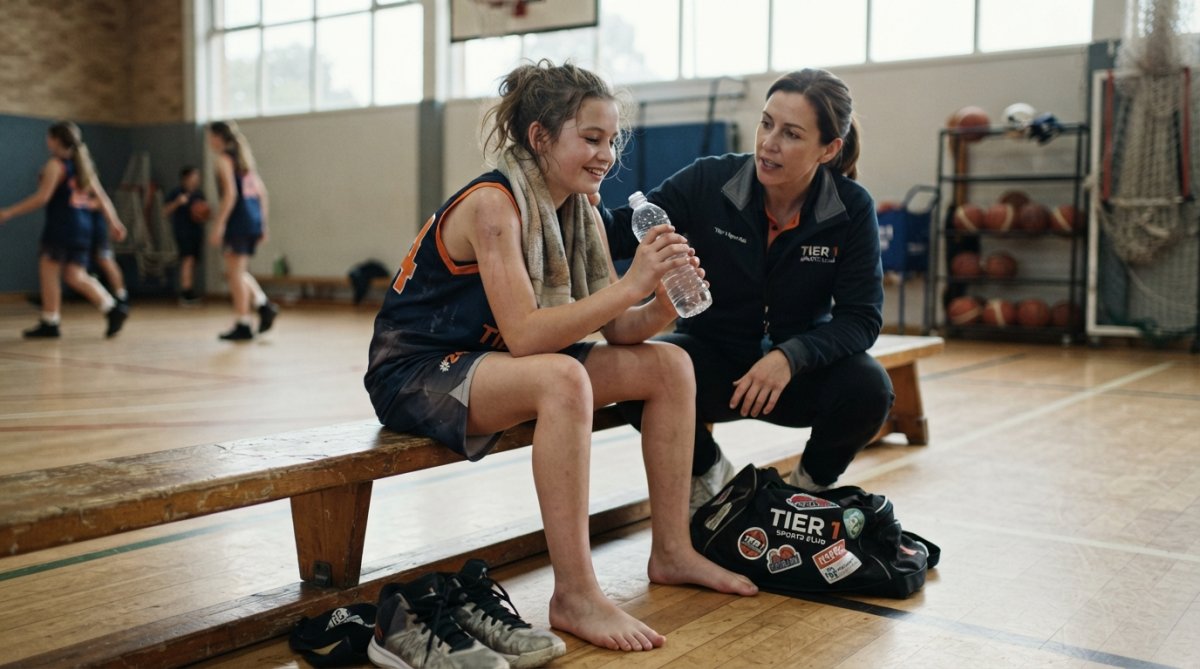
Poor sleep compounds training stress, slowing recovery and increasing injury risk and anxiety. Sleep is the foundation of all recovery strategies.
Nutrition and hydration for fatigue management
Burned-out athletes often skip meals or fuel inconsistently around training, accelerating fatigue and slowing recovery.
Proper nutrition means:
- Eating balanced meals with protein, carbohydrates, and healthy fats
- Timing meals appropriately around training (eat 2-3 hours before, within 30 minutes after)
- Staying hydrated throughout the day, not just during practice
- Including nutrient-dense foods like fruits, vegetables, whole grains, and lean proteins
- Limiting sugary drinks and processed snacks
Hydration is often overlooked.
Digital burnout and social media pressure
Social media is a significant burnout source. Young athletes compare themselves constantly to peers' highlight reels and feel inadequate.
Managing digital burnout requires:
- Setting boundaries on social media use (no screens 1-2 hours before bed)
- Following accounts that inspire rather than discourage
- Taking regular breaks from social media (one day weekly minimum)
- Talking with parents about the pressure they feel from online comparisons
- Focusing on personal improvement rather than comparison
Balancing Competitive Sports and School
School performance often suffers when a young athlete is burning out, as the same stress management systems fail in both areas.
Practical strategies:
- Schedule study time with the same commitment as training time
- Communicate with coaches about school demands during exam periods
- Avoid tournaments or intensive training during major academic deadlines
- Use school breaks for training intensification, not study catch-up
- Monitor grades as an early warning sign of burnout (declining grades often precede athletic burnout)
Creating a Sustainable Training Environment
Preventing burnout requires training smarter and building psychological resilience, not training harder.
Long-term athletic development over early specialization
Long-term athletic development prioritizes foundational skills and passion over early competitive success, recognizing that young athletes develop at different rates and forcing specialization too early creates burnout.
Long-term athletic development means:
- Multi-sport participation during early years (ages 6-12)
- Emphasis on fundamental movement skills and sport enjoyment
- Gradual progression toward specialization (ages 12-14)
- Sport-specific training only after foundational skills are solid
- Regular breaks from competitive pressure
Building psychological resilience and healthy coaching climate
A coach who emphasizes learning over winning, effort over outcomes, and individual growth creates psychological safety.
A healthy coaching climate includes:
- Feedback focused on effort and process, not just results
- Equal playing time for developing athletes, not just stars
- Clear communication about expectations and training rationale
- Recognition of individual differences in development rates
- Emphasis on enjoyment and skill development alongside competition
- Openness to athlete concerns about training load or stress
The most resilient young athletes play for coaches who care about their development as people, not just athletes. Psychological resilience builds in environments where mistakes are learning opportunities, not failures.
Post-Burnout Recovery: Getting Back on Track
If a young athlete is already burned out, recovery requires deliberate intervention and typically takes 3-6 months.
Frequently Asked Questions
What are the early warning signs of burnout in young athletes?
Early warning signs include persistent fatigue, loss of enthusiasm for the sport they once loved, withdrawal from teammates, declining performance despite increased training, and emotional detachment during competition. Physical symptoms like frequent illness, sleep disruption, and reduced appetite also signal burnout. Parents should watch for complaints about practice feeling pointless or a sudden shift from excitement to dread about competitions.
How can recovery strategies for youth athletes prevent long-term damage?
Recovery strategies including adequate sleep (8-10 hours nightly), scheduled rest days, balanced nutrition, and mental breaks reduce cumulative training load and prevent overuse injuries. These practices restore both physical energy and psychological resilience. When young athletes prioritize recovery, they return to training fresher, perform better, and maintain their passion for the sport rather than sliding into burnout.
How do I balance competitive sports and school without overwhelming my child?
Set realistic expectations about training frequency and competition schedules. Ensure at least two full rest days per week. Establish boundaries around homework and sleep time, these are non-negotiable. Communicate regularly with coaches about your child's academic commitments. Monitor your child's stress levels and be willing to reduce training intensity during high-pressure school periods. Quality practice matters more than quantity.
What's the difference between overtraining and burnout?
Overtraining is a physical state caused by excessive training load without adequate recovery, leading to fatigue and reduced performance. Burnout is a psychological state involving emotional exhaustion, reduced sense of accomplishment, and loss of motivation toward the sport. A young athlete can overtrain without experiencing burnout, but prolonged overtraining often leads to burnout if recovery strategies aren't implemented.