 listicle
Rep Basketball for Youth Development: A Parent's Guide
Table of Contents
- What Rep Basketball Offers Young Athletes
- Physical Health and Fundamental Movement Skills
- Rep Basketball vs House League: Understanding the Difference
- Signs Your Child Is Ready for Rep Sports
- Life Skills, Discipline, and Emotional Growth
- Long-Term Athlete Development Basketball: Building for the Future
- Mental Health, Burnout Prevention, and Sustainable Commitment
- Choosing the Right Program for Your Young Athlete
- Frequently Asked Questions
Last Updated: September 19, 2026
What Rep Basketball Offers Young Athletes
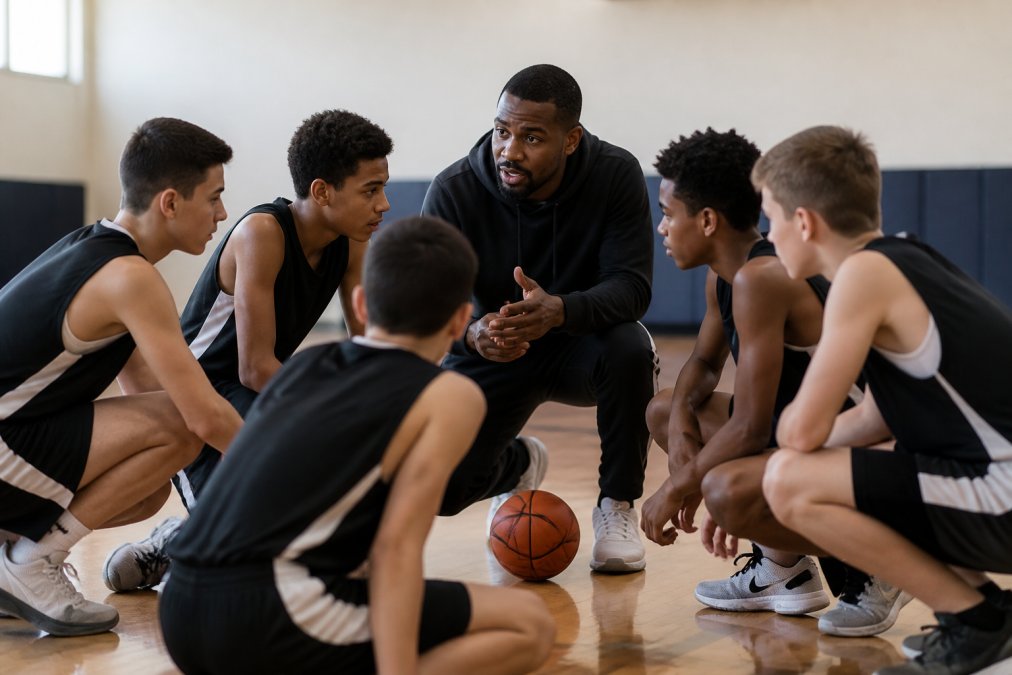
Rep basketball is a structured pathway for rep basketball youth development, designed to accelerate skill development, build game intelligence, and create opportunities for young athletes to test themselves against higher-level competition.
Rep teams practice 3-4 times weekly, compete against stronger opponents, and demand higher focus. This creates "competitive game experience", solving problems in real time against peers who push you to improve.
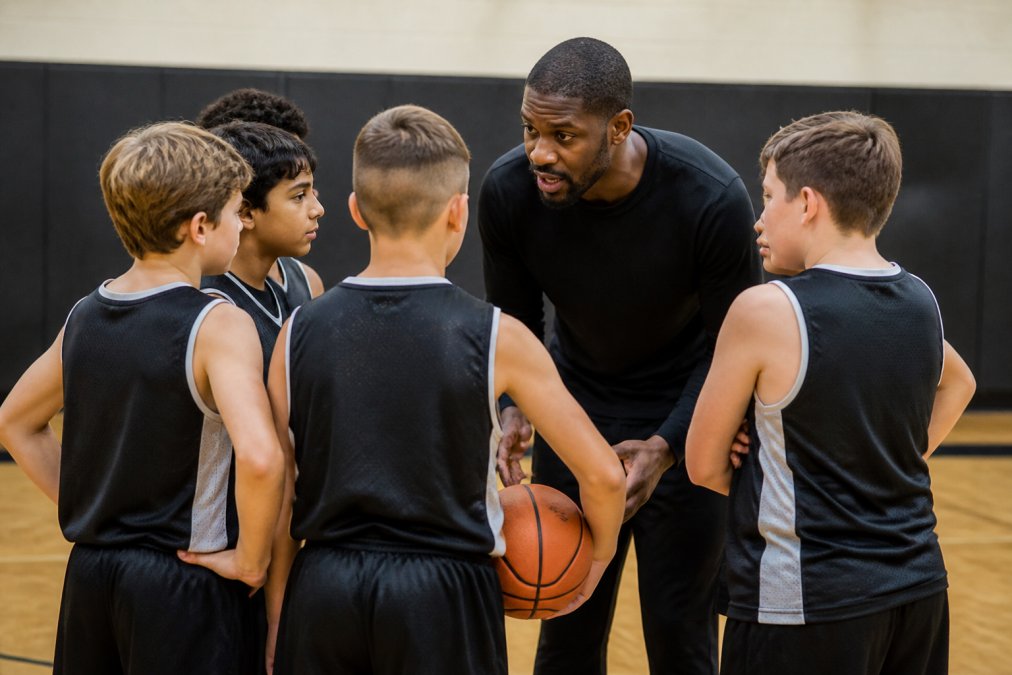
Young athletes learn to manage time between school, training, and personal life, and experience how individual effort directly affects group outcomes.
Players gain exposure to tactical coaching, develop resilience through setbacks, and build confidence through consistent competition against quality opponents.
Physical Health and Fundamental Movement Skills
Young athletes in rep basketball develop superior motor coordination and agility. Training focuses on fundamental movement skills, pivoting, lateral movement, explosive first steps, creating a foundation that protects against injury.
Rep basketball training emphasizes "physical literacy", the ability to move efficiently and adapt to changing game situations by developing coordination patterns for quick direction changes, balance under pressure, and consistent skill execution.
The higher training frequency, 3-4 times weekly versus 1-2 in recreational leagues, creates repetition necessary for motor skills to become automatic, freeing the brain to focus on decision-making.
Young athletes with strong fundamental movement skills and body awareness suffer fewer injuries, move more efficiently, and develop better proprioception to avoid awkward landings.
Rep Basketball vs House League: Understanding the Difference
House league is recreational basketball for fun and broad participation. Rep basketball is competitive development for players ready for higher intensity and selective team composition.
House league accepts all players; rep basketball uses tryouts to form balanced teams with similar skill levels, accelerating learning because everyone can execute what coaches teach.
House league runs one practice and game weekly. Rep basketball involves multiple practices plus games, with skill development sessions focused on team systems and tactical play.
House league prioritizes equal playing time; rep basketball games are competitive with performance-based minutes. This performance pressure is intentional, young athletes need exposure to situations where effort and execution determine their role.
The financial investment is higher in rep basketball, reflecting additional coaching, facility time, and competition level.
Rep basketball suits players ready to commit to skill development and handle competition. House league suits players building foundational skills or prioritizing fun over performance.
| Aspect | House League | Rep Basketball |
|---|---|---|
| Team Selection | Open registration | Tryout-based |
| Practice Frequency | 1x per week | 3-4x per week |
| Playing Time | Equal for all | Performance-based |
| Game Focus | Participation & fun | Competitive development |
| Coaching Intensity | Basic instruction | Tactical & strategic |
| Skill Level Mix | Broad range | Similar level peers |
Signs Your Child Is Ready for Rep Sports
Readiness for rep basketball involves emotional maturity, commitment capacity, and genuine interest in competitive play, not just skill level.
Sustained interest is essential: your child plays outside practice, watches games, and wants to improve. This intrinsic motivation is non-negotiable because rep basketball demands genuine love for the game.
Coachability matters: can your child accept feedback without taking it personally and adjust behavior based on coaching? Players who interpret feedback as criticism struggle in rep basketball.
Emotional resilience is essential. Young athletes must handle setbacks, limited playing time, and competitive pressure without shutting down, and separate self-worth from performance.
Commitment capacity matters: can your family accommodate 3-4 practices weekly plus games? Reliable attendance is essential.
Age and skill level are factors, but not the only ones. Some eight-year-olds are ready for rep basketball. Others aren't ready until they're eleven or twelve. The difference isn't always talent, it's often maturity and genuine interest.
Life Skills, Discipline, and Emotional Growth
Rep basketball effectively teaches life skills, discipline, time management, and accountability, through competitive team structure.
Discipline means consistent effort toward goals. Players learn that individual mistakes affect teammates, creating intrinsic motivation because consequences are immediate and social.
Young athletes juggling school, rep basketball, and personal life learn to prioritize and make adult-level decisions about time allocation.
In rep basketball, roles are defined by team needs, not equality. Players learn adaptability and that success isn't always about personal stats.
Emotional growth happens through facing adversity, losing competitive games and being benched teach resilience and how to process disappointment.
Long-Term Athlete Development Basketball: Building for the Future
Long-term athlete development (LTAD) recognizes young athletes progress through distinct stages requiring different training emphasis. Well-structured rep basketball aligns with LTAD principles.
LTAD emphasizes early focus on fundamental skills and love of the game, not specialization. Programs balancing these principles develop more resilient athletes than those focused purely on winning.
Ages 7-10 focus on fundamental skills and game understanding during the "golden window" for motor skill development. Rep basketball emphasizes skill repetition and basic tactical concepts.
Ages 11-14 shift toward sport-specific training and competitive game experience. Players can understand complex team systems and handle increased training volume.
Ages 15-16+ involve competitive specialization. The foundation built through earlier rep basketball development determines what's possible at higher levels.
Rep basketball youth development should focus on developing the whole athlete, not just producing wins. Programs prioritizing long-term development produce players who stay engaged longer and achieve higher performance levels.
Mental Health, Burnout Prevention, and Sustainable Commitment
Competitive youth sports carry real risks for mental health if not managed carefully. Burnout, the combination of physical exhaustion, emotional fatigue, and loss of interest, is common in young athletes pushed too hard or placed in overly critical environments.
The difference between healthy challenge and harmful pressure is coaching philosophy. Coaches who emphasize learning from mistakes create environments where young athletes feel safe taking risks. Coaches who emphasize winning at all costs create environments where mistakes feel catastrophic, leading to anxiety and avoidance.
Rep basketball should feel demanding but fair. Young athletes should know that effort is valued even when results don't go their way. They should understand that the goal is improvement over the season, not perfection in every game. When these conditions exist, rep basketball builds confidence and resilience rather than anxiety. Consistent physical conditioning supports this growth, and incorporating appropriate gear for young athletes can help players safely develop the strength and stability required to meet these competitive challenges.
Playing time decisions are particularly sensitive. Young athletes need clear understanding of why they're playing or not playing. Ambiguity creates anxiety. Transparency, even when the message is "you need to improve X to earn more minutes", is far better than mysterious benching.
Social dynamics matter significantly. Young athletes need to feel connected to teammates and valued by coaches. Isolation or social exclusion within a team is deeply damaging. Programs that intentionally build team culture and peer support create healthier environments.
The antidote to burnout is sustainable commitment. This means reasonable practice volumes, adequate recovery time, and space for young athletes to pursue other interests. Rep basketball should enhance a young person's life, not consume it. When it starts feeling like an obligation rather than an opportunity, that's a warning sign.
Choosing the Right Program for Your Young Athlete
Selecting a rep basketball program is one of the most important decisions parents make around youth sports. The right program accelerates development and builds love for the game. The wrong program can create frustration, anxiety, and early burnout.
Start by assessing your child's readiness using the criteria discussed earlier. Be honest about whether they're emotionally ready for competitive play and whether your family can commit to the schedule. Readiness matters more than age or current skill level.
Next, evaluate the coaching philosophy. Ask programs directly: How do you balance winning and learning? What happens when a young player makes a mistake? How do you develop players who don't make the rep team on their first tryout? Listen carefully to how they answer. Programs that emphasize long-term development over short-term winning are safer bets.
Ask about playing time philosophy. Competitive programs should use playing time to motivate improvement, not as punishment. There's a difference between "you'll earn more minutes by improving X" and "you're not good enough to play." The first builds motivation. The second builds resentment.
Request references from current parents. Ask them about coach communication, practice structure, and whether their child enjoys the program. Ask if they feel their child is improving. Ask whether the program feels like a good fit for their family's values.
Tier 1 Sports programs are designed with these principles in mind. We focus on skill development and passion for basketball across age groups from 4 to 16. Our coaching emphasizes learning and long-term development, not just winning.
Frequently Asked Questions
What are the main benefits of rep basketball for youth development?
Rep basketball develops physical literacy through competitive game experience, builds fundamental movement skills like agility and reflexes, and strengthens motor coordination. Beyond physical gains, players develop discipline, time management, and teamwork in high-pressure situations. The structured coaching and sport-specific training accelerate skill acquisition compared to recreational play, while team dynamics foster social-emotional learning and character building that extends beyond the court.
How do I know if my child is ready for rep basketball?
Signs of readiness include consistent attendance at recreational programs, demonstrated interest in improving specific skills, ability to follow complex instructions during practice, and comfort with constructive feedback from coaches. Your child should show commitment to training outside scheduled sessions and express genuine enthusiasm for competitive play rather than parental pressure. Age alone isn't the deciding factor, readiness depends on individual developmental milestones, maturity level, and intrinsic motivation to compete.
What's the difference between rep basketball and house league?
House league prioritizes fun, participation, and equal playing time for all skill levels, making it ideal for recreational players and beginners. Rep basketball focuses on competitive game experience, higher training intensity, and skill-specific development with tryout-based team selection. Rep teams practice more frequently, emphasize team systems and game intelligence, and compete against stronger opponents. House league builds confidence and foundational skills; rep basketball prepares athletes for advanced competitive pathways and long-term athlete development.
How does rep basketball fit into long-term athlete development?
Rep basketball accelerates progression through developmental milestones by providing structured coaching standards, competitive pressure that builds resilience, and sport-specific training aligned with athletic performance goals. The combination of higher commitment levels, team accountability, and exposure to varied competition strengthens game intelligence and tactical awareness. This foundation supports continued advancement into elite levels, college recruitment pathways, or lifelong active lifestyle participation, depending on your athlete's goals and passion for the sport.