 how-to
Youth Basketball Golden Window Explained
Table of Contents
- What the Golden Window Actually Means in Youth Basketball
- Age-Based Eligibility and Developmental Stages for Youth Basketball
- Long-Term Athlete Development (LTAD) Basketball: The Framework Behind the Window
- Fundamental Movement Skills for Basketball and Why Timing Is Everything
- How Parents Can Identify the Golden Window in Their Own Child
- Coaching Philosophy: Development Over Winning During the Golden Window
- How the Golden Window Shapes Your Child's Basketball Program Choice
- Conclusion
Last Updated: August 13, 2026
What the Golden Window Actually Means in Youth Basketball
The youth basketball golden window explained simply is this: it is a biologically defined period in a child's development when the brain and body are most receptive to acquiring motor skills, movement patterns, and sport-specific literacy. Miss it, and those same skills take significantly longer to build. Catch it, and the gains compound for years.
At Tier 1 Sports, we structure every program around this concept because the science behind it is too important to ignore. The golden window is grounded in decades of research on how children develop coordination, balance, agility, and neuromuscular coordination at different ages. The right training at the right age does not just accelerate skill development, it shapes the neural pathways a child will draw on for the rest of their athletic life.
The Science Behind the Window: Peak Height Velocity and Motor Skill Acquisition
Peak height velocity is the stage of rapid growth during adolescence when a child's bones lengthen faster than their muscles and connective tissue can adapt. According to Canadian Sport for Life's Long-Term Athlete Development framework, motor skill acquisition is most efficient in the years immediately before this growth spurt, not during it.
During the pre-adolescent years, the brain's plasticity is at its highest for motor learning. Fundamental movement patterns learned during this window become automatic, freeing up cognitive resources for game intelligence later. Children who miss this window can still learn basketball skills, but the process is slower and the ceiling tends to be lower.
Psychological Readiness: The Mental Side of the Window
The golden window is not purely physical. Cognitive development runs alongside motor skill acquisition. Children in the 7-10 age range are developing their capacity for rule-following, team awareness, and basic strategic thinking simultaneously.
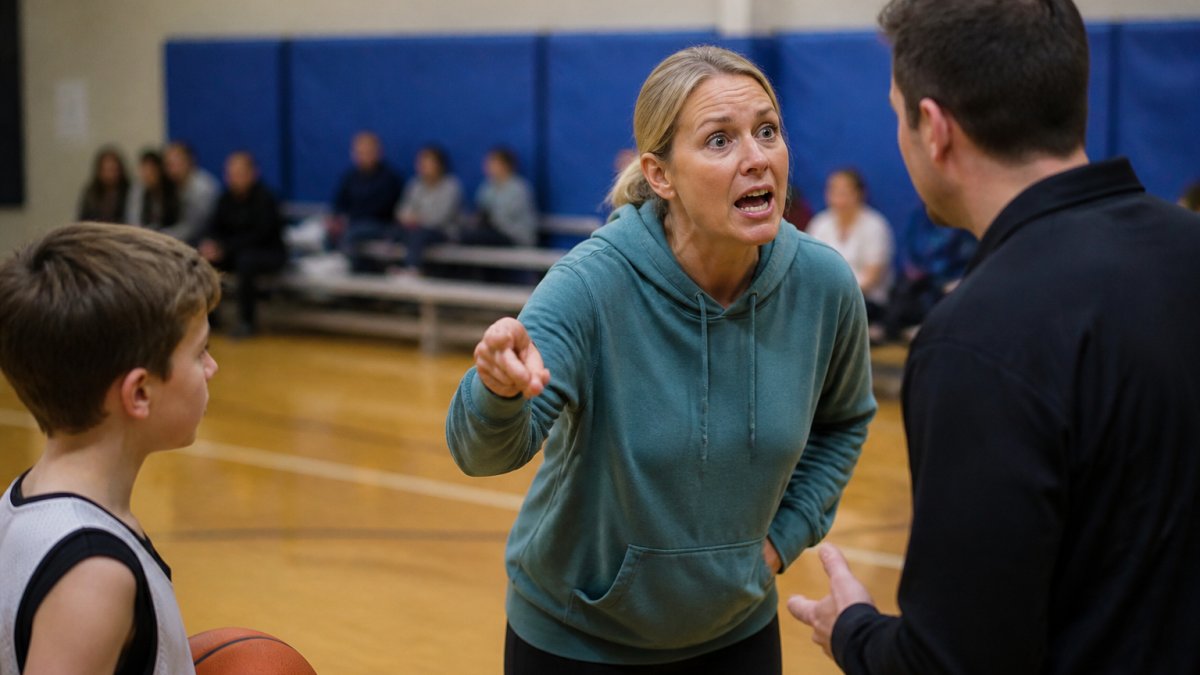
A common mistake is pushing competitive outcomes too early, before a child has the psychological readiness to process failure constructively. Readiness looks like genuine curiosity about the game, willingness to repeat drills, and the ability to focus for age-appropriate durations.
Age-Based Eligibility and Developmental Stages for Youth Basketball
Age-based eligibility in youth basketball exists because developmental milestones are not evenly distributed. Good programs segment by developmental stage rather than treating all players in a broad age band as identical.
| Age Range | Developmental Stage | Primary Focus | Program Type |
|---|---|---|---|
| 4-6 years | Fundamental movement | Balance, coordination, play | Introductory / recreational |
| 7-10 years | Skill acquisition | Dribbling, footwork, teamwork | Core development |
| 11-13 years | Skill consolidation | Game intelligence, competition | Intermediate / rep pathway |
| 14-16 years | Athletic maturation | Strength, speed, strategy | Competitive rep |
Ages 4-6: Building Readiness Through Fundamental Movement Patterns
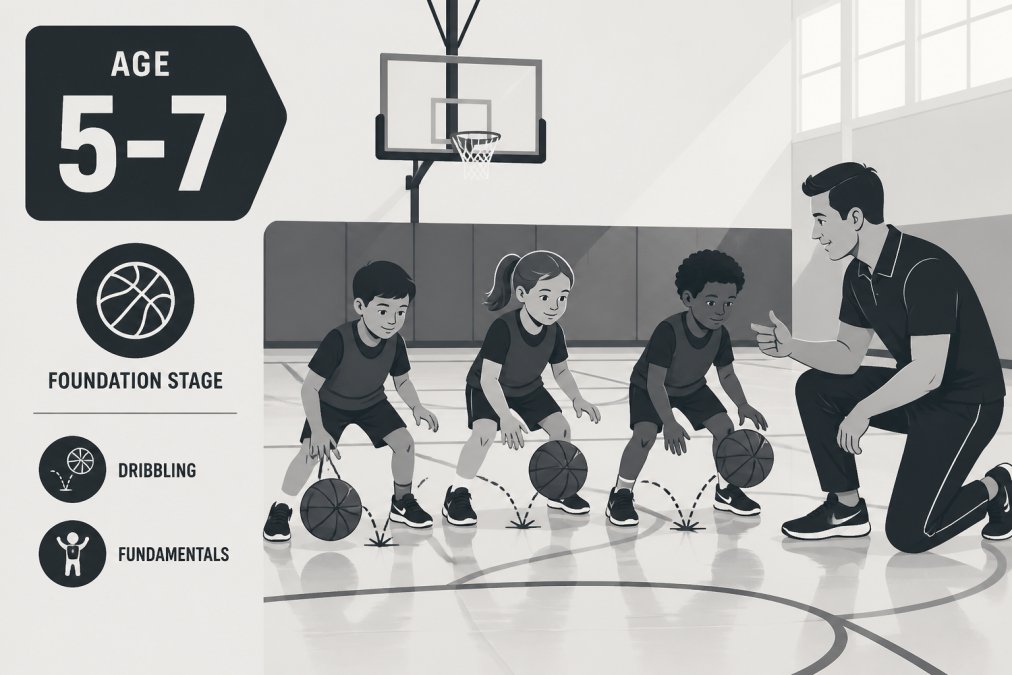
Children aged 4-6 are not ready for basketball drills in any traditional sense. What they are ready for is movement exploration: running, jumping, stopping, catching, and throwing in unstructured and semi-structured play. These fundamental movement patterns form the physical vocabulary that basketball skills are built on later.
Programs for this age group should prioritize fun and repetition of basic movements over any sport-specific outcome. The goal at this stage is athletic readiness, not basketball readiness.
Ages 7-10: The Core of the Golden Window
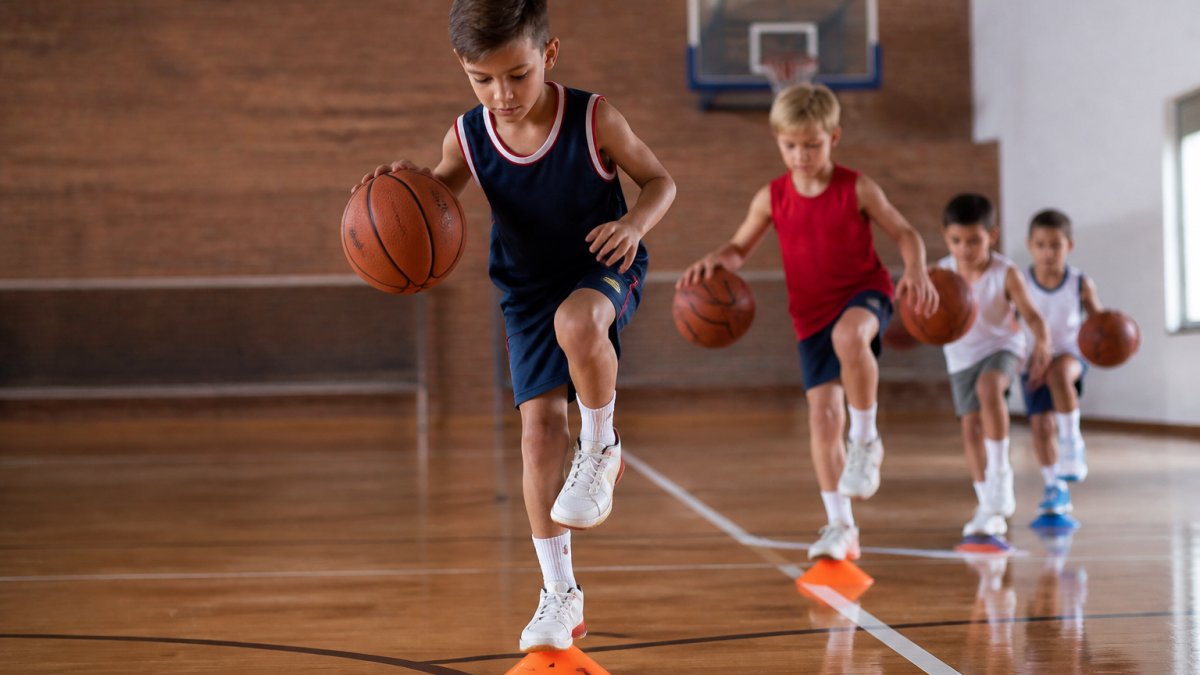
This is where the youth basketball golden window explained in developmental science becomes most visible. Children aged 7-10 are in the "skill-hungry" phase: their neuromuscular coordination is developing rapidly, their attention spans are extending, and they are cognitively ready to understand cause and effect in sport.
Dribbling mechanics, shooting form, and basic footwork introduced during this window tend to stick. The brain is forming motor programs that, with repetition, become deeply embedded. This is the stage where quality of coaching matters most, because poor technique learned now is harder to unlearn later.
Ages 11-16: Competitive Pathways and Skill Mastery
Adolescence introduces peak height velocity, which temporarily disrupts coordination as the body reorganizes itself. Players who built strong fundamental movement skills before this stage navigate it far better than those who did not. The focus shifts from learning new motor patterns to consolidating existing ones and applying them under competitive pressure.
This is the age range where player segmentation into recreational and competitive rep pathways becomes meaningful. Eligibility criteria for rep basketball typically require demonstrated skill mastery, coachability, and the physical and psychological readiness to handle competitive environments.
Long-Term Athlete Development (LTAD) Basketball: The Framework Behind the Window
Long-Term Athlete Development (LTAD) basketball is a structured framework that maps training priorities to biological development stages across an athlete's entire career. As outlined by Canada Basketball's player development resources, LTAD divides youth development into stages from Active Start through to the Train to Compete phase, each with specific training load recommendations and skill priorities.
The golden window sits primarily within the "FUNdamentals" and "Learn to Train" stages of LTAD. The framework explicitly warns against early specialization, arguing that children who specialize in one sport before age 12 tend to plateau earlier and experience higher injury rates than those who maintain multi-sport participation.
Fundamental Movement Skills for Basketball and Why Timing Is Everything
Fundamental movement skills for basketball are not the same as basketball skills. Fundamental movement skills include locomotor patterns like running, jumping, and changing direction, as well as object control skills like catching and throwing. Basketball skills like dribbling mechanics, shooting form, and footwork are built on top of this foundation.
If a child has not developed solid fundamental movement skills before entering sport-specific training, they are essentially trying to build the second floor of a house without a ground floor. According to PHE Canada's physical literacy resources, children who demonstrate physical literacy by age 12 are significantly more likely to remain active in sport through adolescence and into adulthood.
Dribbling Mechanics, Footwork, and Coordination: Building Blocks That Stick
Most guides get dribbling instruction wrong by focusing on the hands. The real foundation of dribbling mechanics is posture, footwork, and vision. A player who dribbles with their eyes down has not internalized the skill; they are still consciously managing it.
Footwork is the most undercoached fundamental in youth basketball. Pivoting, defensive slides, and approach steps to the basket are not exciting to practice, but they are the movements that separate players who plateau from those who keep developing.
How Parents Can Identify the Golden Window in Their Own Child
The golden window is not a calendar date. It is a developmental state, and it looks different in every child. Here are the markers parents can observe:
- Spontaneous imitation: Your child watches basketball and immediately tries to replicate what they see.
- Repetition tolerance: They are willing to practice the same movement dozens of times without frustration.
- Rapid skill uptake: They learn a new movement in one or two sessions and retain it the following week.
- Intrinsic motivation: They ask to practice because they want to, not because you pushed them.
- Coordination improvement rate: You notice their body control improving noticeably month over month.
The practical answer is to put your child in quality programs during the 7-10 age range and let trained coaches assess their developmental readiness directly.
Coaching Philosophy: Development Over Winning During the Golden Window
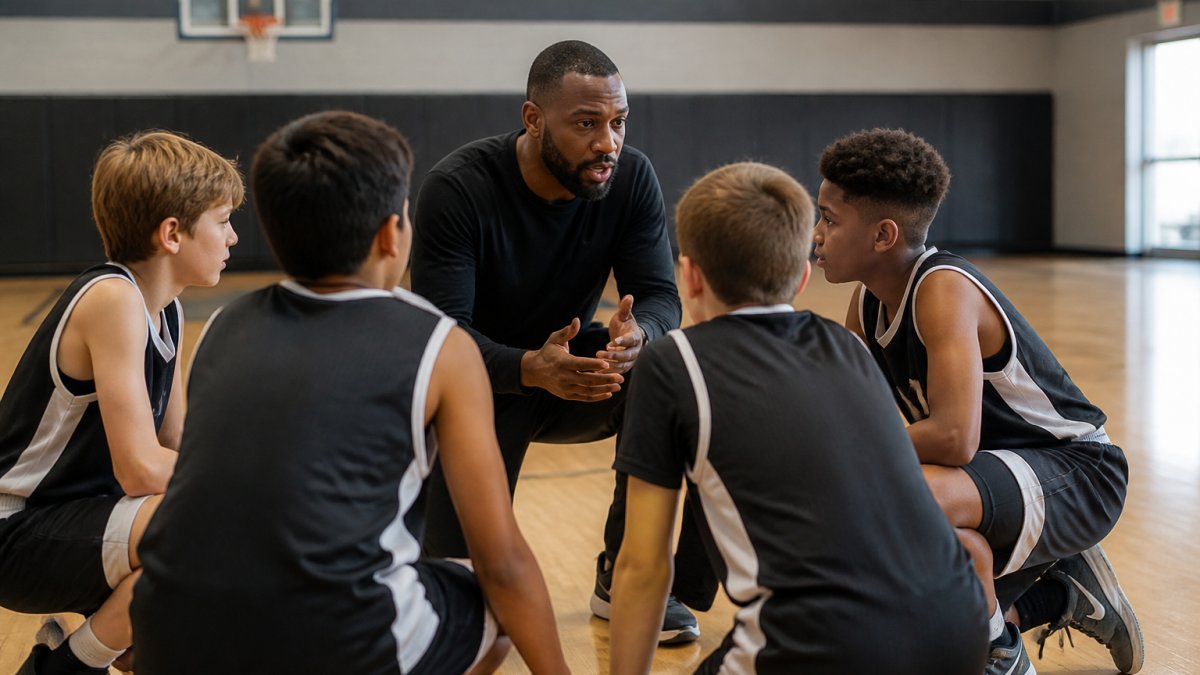
The biggest mistake a youth basketball program can make is treating the golden window years as a competitive proving ground. Coaches who bench players for mistakes during this developmental stage are not building competitors; they are building anxiety.
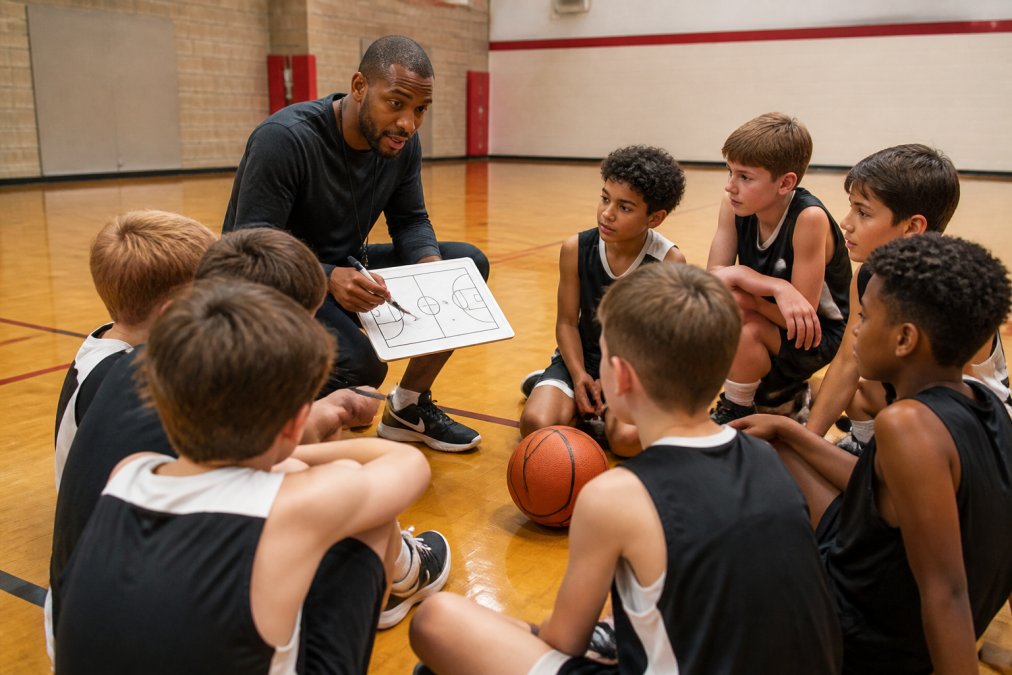
Good coaching philosophy during the golden window prioritizes skill repetition over game outcomes, individual development over team results, and psychological safety over competitive pressure. A player who makes a mistake and immediately wants to try again is developing correctly.
What most reviews of youth programs miss is the coaching standards question. Ask any program you are evaluating: what happens when a player makes a repeated mistake? The answer tells you everything about whether the environment is developmental or competitive in the wrong way.
At Tier 1 Sports, the coaching approach is built around this principle: every player finds their pathway to success in a supportive environment. That is a structural commitment to keeping development ahead of winning during the years when development is what actually produces future winners.
How the Golden Window Shapes Your Child's Basketball Program Choice
Understanding the youth basketball golden window explained through a developmental lens changes how you evaluate programs. The right questions are not just about facilities or schedules, but whether the program's structure matches your child's developmental stage.
| Evaluation Criterion | What to Ask | Red Flag |
|---|---|---|
| Age-appropriate training | Are sessions designed for this developmental stage? | Same drills for all ages |
| Coaching philosophy | How is failure handled in practice? | Benching for mistakes |
| Skill progression | Is there a structured development pathway? | Win-first mentality |
| Multi-sport stance | Do they support multi-sport participation? | Pressure to specialize early |
| Player segmentation | Are recreational and competitive pathways distinct? | One-size-fits-all program |
For families with children in the 4-6 age range, prioritize introductory programs that build fundamental movement skills through play. For the 7-10 range, look for structured skill-development programs with trained coaches who understand motor skill acquisition. For the 11-16 range, competitive rep pathways with clear eligibility criteria and a genuine development philosophy are the target.
Tier 1 Sports offers programs across all three developmental stages, from introductory sessions for 4-year-olds to competitive rep basketball for players aged 11-16. All programs are generously supported by Real Estate Broker David Robbio, keeping community access to quality development at the center of what the club does.
The youth basketball golden window explained is ultimately a call to action for parents: the window is real, it is finite, and what happens inside it shapes an athlete's ceiling. Choose programs that understand that.
Most families start looking for basketball programs when their child expresses interest, which is the right instinct. The challenge is finding a program that actually understands the developmental science behind the golden window and structures its coaching accordingly. Tier 1 Sports builds every age group program around Long-Term Athlete Development principles, with tailored skill progressions for ages 4-6, 7-10, and 11-16, and a coaching philosophy that keeps development ahead of winning. If your child is in the golden window right now, the best time to act is before it closes. Check current program availability and REP TRYOUTS at Tier 1 Sports and find the pathway that fits your athlete.
Frequently Asked Questions
What is the 'golden window' of motor development in youth sports?
The golden window refers to a period roughly between ages 6 and 12 when the brain and body are especially receptive to learning new movement patterns. During this time, neuromuscular pathways form more efficiently, meaning skills like dribbling mechanics, shooting form, and footwork are absorbed faster and retained longer. Missing this window doesn't make skill development impossible, but it does require significantly more effort to achieve the same results later.
At what age should youth basketball players focus on skill acquisition?
The ideal age range for intensive skill acquisition in basketball is 6 to 12 years old, aligning with the golden window. Children in this range are developing coordination, balance, agility, and game intelligence simultaneously. Programs for ages 4-6 should prioritize fundamental movement patterns and sport-specific literacy, while ages 7-10 represent the core window for building dribbling, passing, and shooting foundations that support long-term athlete development.
Can you improve basketball skills after the golden window closes?
Yes, skill improvement is possible at any age, but the rate of motor skill acquisition slows significantly after early adolescence. Once peak height velocity passes and the body stabilizes, building new movement habits demands more repetition and deliberate practice. Athletes who missed foundational training during the golden window basketball period can still progress, but they typically need more time to reach the same technical level as those who trained early.
How does Long-Term Athlete Development (LTAD) relate to the golden window in basketball?
LTAD is the framework that maps the golden window onto a structured player development pathway. Basketball Canada's LTAD model identifies specific stages, from Active Start through to Podium, each with age-appropriate training loads and skill targets. The golden window sits within the FUNdamentals and Learn to Train stages of LTAD, where fundamental movement skills for basketball are prioritized over competition outcomes. Enrolling children in age-appropriate programs during these stages sets the foundation for every competitive pathway that follows.
This article was written using GrandRanker