 comparison
Youth Basketball League vs Training: Which Path Wins
Table of Contents
- Youth Basketball League vs Training: The Core Difference
- Benefits of Basketball Skill Training for Individual Development
- What League Play Offers: Game-Time Experience and Team Dynamics
- Youth Basketball Development Stages: Matching Programs to Age
- Is Rep Basketball Worth It: Financial and Competitive Considerations
- Finding Your Balance: Practice-to-Game Ratio and Long-Term Athlete Development
- Making the Right Choice for Your Child
Last Updated: August 21, 2026
Youth Basketball League vs Training: The Core Difference
The choice between a youth basketball league and dedicated skill training represents a consequential decision for parents. League play emphasizes competition, game-time decision-making, and team dynamics, while training focuses on isolating specific skills, building technical foundation, and personalized progression. The right choice depends on your child's age, current ability level, competitive temperament, and long-term athletic goals.
At Tier 1 Sports, we've observed that parents often frame this as an either-or decision when the real opportunity lies in understanding what each delivers and how to sequence or combine them strategically.
Sport Canada's Long-Term Athlete Development framework emphasizes that young athletes progress through distinct developmental stages, each requiring different training emphases.
Benefits of Basketball Skill Training for Individual Development
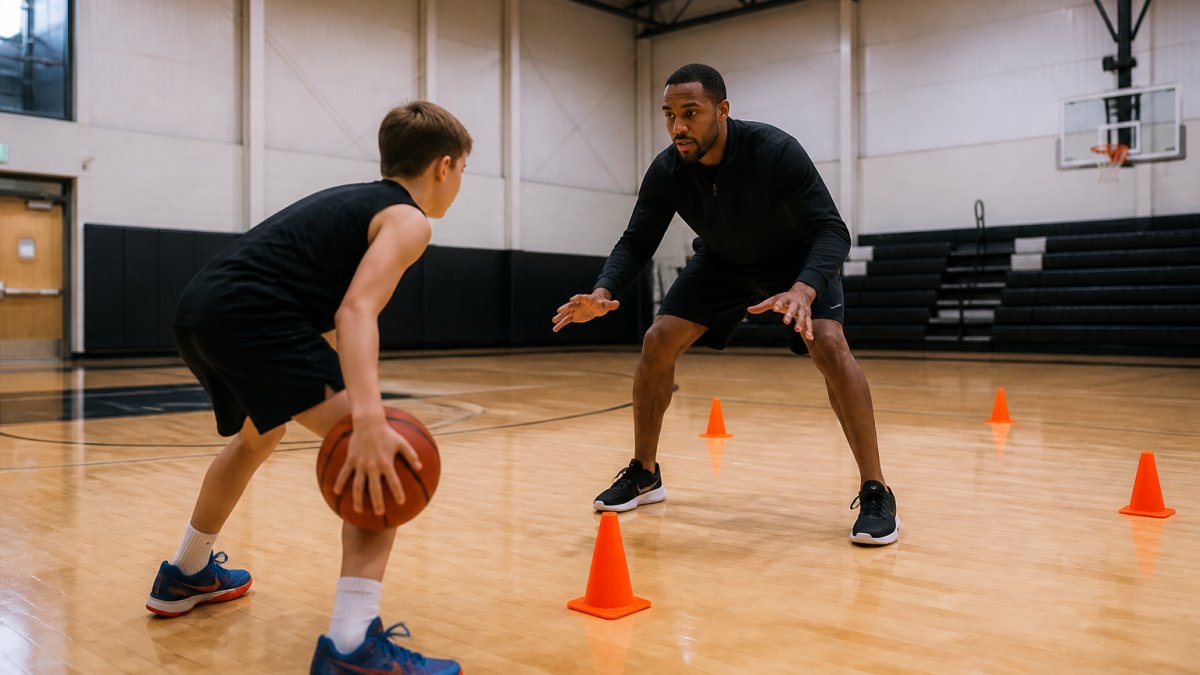
Skill training isolates the technical fundamentals that form the foundation of every basketball player's game: ball-handling, footwork, shooting mechanics, court awareness, and defensive positioning. Unlike league play, where game flow dominates, training sessions create repetition-rich environments designed to build automaticity in core movements.
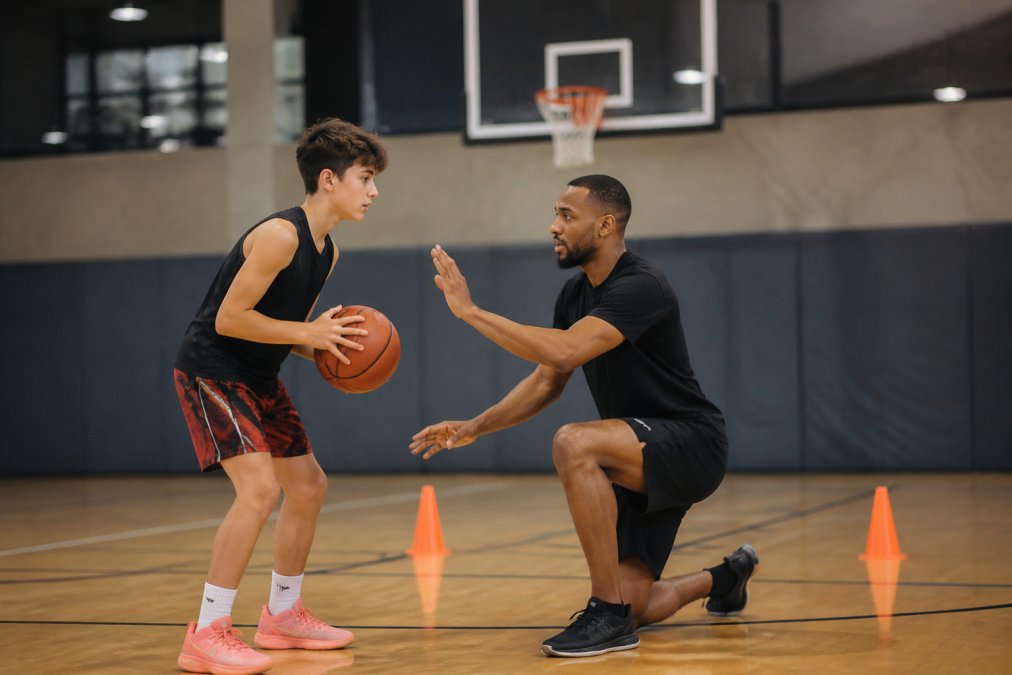
A common mistake parents make is assuming their child will develop these fundamentals through league play alone. Game situations reward decision-making and speed, not deliberate practice of individual mechanics. A player might shoot 10 times in a game but never receive corrective feedback on their release point or footwork.
Training excels at addressing specific weaknesses. If your child struggles with left-hand dribbling, a training session can dedicate focused time to progressively challenging drills that build comfort and confidence. This targeted approach is especially valuable for younger players (ages 7-10) who are still building physical literacy and need repetition to internalize fundamental movement patterns.
The psychological benefit of skill training is significant. Young athletes who see measurable improvement in specific areas develop confidence that transfers into game situations. This confidence becomes self-reinforcing: better fundamentals lead to better game performance, which motivates continued training investment.
For intermediate and advanced players (ages 11-16), skill training becomes increasingly specialized. Programs like Tier 1 Sports' Prep For Rep pathway focus on advanced technical development and competition preparation, targeting players already in leagues who need to elevate their game for higher competitive levels.
What League Play Offers: Game-Time Experience and Team Dynamics
League play is where basketball becomes real. In a training session, a player can shoot 50 times in controlled conditions. In a game, they get 8-10 shots under pressure, with defenders, crowd noise, fatigue, and team performance affecting their execution. This is irreplaceable experience.
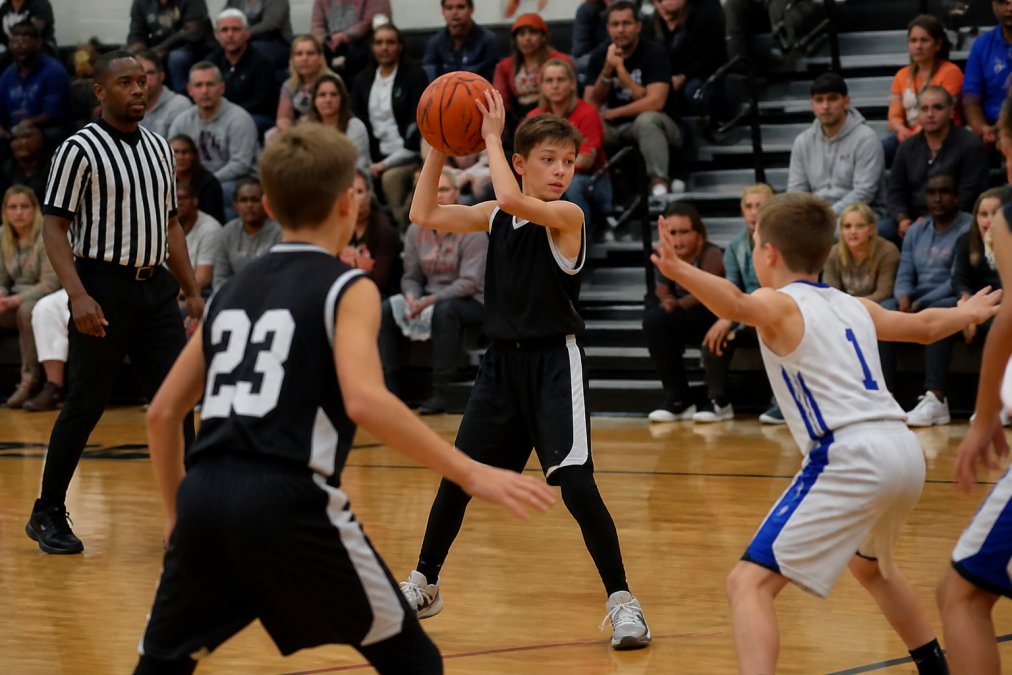
Game-time experience develops basketball IQ in ways that training cannot replicate. Basketball IQ encompasses court awareness, decision-making speed, understanding positioning and spacing, and reading defensive schemes. These skills only develop under actual game pressure.
Team dynamics represent another irreplaceable dimension of league play. Young athletes must learn how to function within a team structure: communicating, supporting teammates, managing roles, and handling the emotional ups and downs of shared competition. These social and psychological skills transfer far beyond basketball.
The competitive environment of league play also reveals aspects of your child's temperament that training cannot. Some young athletes thrive under competitive pressure; others find it overwhelming. You cannot know which category your child falls into without exposing them to genuine game situations.
For younger age groups (7-10), recreational leagues like the Town of Halton Hills' Youth Basketball program emphasize fair play and fundamental skill development within a game context. For ages 11-14, competitive leagues can offer officiated weekly games with a focus on championship play while ensuring meaningful playing time.
Youth Basketball Development Stages: Matching Programs to Age
The ideal program type shifts dramatically across age ranges, reflecting how children's cognitive abilities, physical capabilities, and social needs evolve.
Ages 4-6: Introduction and Play-Based Learning
At this stage, the goal is exposure and enjoyment, not technical perfection. Programs should emphasize fun, variety, and low-pressure participation. Tier 1 Sports' introductory programs focus on movement fundamentals through games and play rather than formal drills. Competitive league play is entirely inappropriate at this age.
Ages 7-10: Fundamental Skill Development
This is the critical window for building foundational skills. The ideal approach involves both dedicated skill training sessions (2-3 per week) combined with recreational league play (1 game per week). This combination allows children to practice fundamentals in isolation and then apply them in game contexts. The Town of Halton Hills' Youth Basketball program provides an affordable, well-structured recreational league option for this age group.
Ages 11-14: Skill Refinement and Competitive Introduction
This is where the league vs. training decision becomes genuinely complex. Children at this age have developed sufficient skill to benefit from competitive league play, but intentional skill development becomes increasingly important for those who want to progress.
Many young athletes at this stage fall into a middle category: they're not quite ready for elite rep basketball, but recreational league play no longer challenges them sufficiently. Programs like Tier 1 Sports' Prep For Rep pathway target intermediate players who want to significantly improve their skills for competitive advancement.
A balanced approach, 3-4 training sessions per week combined with 1-2 games per week, allows for both skill development and competitive experience.
Ages 15-16: Specialization and Competitive Focus
By this age, the trajectory is becoming clearer. Athletes who have demonstrated genuine interest and aptitude have typically moved into more competitive structures. Training becomes increasingly specialized and intense, focusing on sport-specific athleticism, advanced tactical understanding, and preparation for higher levels of competition.
Is Rep Basketball Worth It: Financial and Competitive Considerations
Rep basketball represents a significant commitment: increased training frequency, higher fees, more travel, and greater competitive intensity. Whether it's worth it depends on your child's genuine interest level, competitive aptitude, and your family's circumstances.
The financial investment in rep basketball is substantial. Competitive rep leagues typically involve program fees, travel costs, tournament entries, and equipment. Pricing depends on quantity, dates, and delivery. Please visit Tier 1 Sports' website for current prices or a quote.
A critical question to ask before committing: Is your child asking to pursue rep basketball, or are you pushing them toward it? Children who genuinely want to compete at a higher level tend to thrive in rep environments. Children who feel pressured often experience burnout.
The time commitment also deserves consideration. Rep basketball typically involves 4-5 training sessions per week plus games, plus potentially travel to tournaments. For families with multiple children or other commitments, this can become logistically challenging.
Finding Your Balance: Practice-to-Game Ratio and Long-Term Athlete Development
The optimal balance between training and league play varies by age and individual, but some general principles apply.
For ages 7-10, a 2:1 or 3:1 practice-to-game ratio works well. For ages 11-14, a 1:1 or 2:1 ratio becomes more appropriate. For ages 15-16 in rep basketball, the ratio can shift toward more games and competition, though specialized training remains important for specific skill work and injury prevention.
The concept of long-term athlete development (LTAD) provides a useful framework. Rather than maximizing performance at any single age, LTAD emphasizes building a foundation of physical literacy, technical skill, and love for the sport across childhood and adolescence. The young athlete who specializes too early often experiences burnout and injury, while the athlete who builds broad skills and genuine passion tends to sustain engagement and reach higher levels later.
A practical decision framework: If your child is under 12, prioritize skill training and recreational league play. If they're 12-14 and showing genuine interest in competitive basketball, consider adding intermediate training to their recreational league participation. If they're 15+ and expressing serious competitive interest, then rep basketball becomes a reasonable consideration.
Sport Canada's Long-Term Athlete Development framework provides detailed guidance on age-appropriate program intensity and specialization timing.
Making the Right Choice for Your Child
The youth basketball league vs training decision ultimately hinges on understanding your specific child's current stage, interests, and temperament.
Start by asking honest questions: Is your child new to basketball or already experienced? Do they thrive under competitive pressure or find it overwhelming? Are they asking to play more basketball, or are you suggesting it? What does your family's schedule and budget realistically support? Does your child have other interests and activities, or is basketball their primary focus?
These answers will guide you toward the right program type. A 6-year-old brand new to basketball needs introductory skill training in a playful environment. A 9-year-old showing genuine interest benefits from both recreational league play and dedicated skill training. A 13-year-old with competitive drive and strong fundamentals might be ready for intermediate training programs. A 15-year-old serious about higher-level basketball might pursue rep opportunities.
Tier 1 Sports offers programs across this entire spectrum, from introductory sessions for young beginners through competitive rep basketball for serious athletes. The philosophy underlying these programs recognizes that different young athletes need different things at different stages, and that the goal is developing both skill and passion for the game over the long term.
The real mistake isn't choosing league over training or vice versa. It's making that choice without understanding your child's actual needs and without revisiting the decision as your child develops. A program that's perfect at age 8 might be outgrown by age 11. The best programs, and the best parents, remain flexible and responsive to how your young athlete is actually progressing.
The landscape of youth basketball can feel overwhelming, but the core principle is simple: match the program type to your child's current developmental stage and genuine interests. Whether that's introductory skill training, recreational league play, or competitive rep basketball, Tier 1 Sports has designed pathways for young athletes aged 4 to 16 to develop skills, fuel their passion, and realize their potential in a supportive community environment. Explore the programs that align with where your child is now, and plan to revisit the decision as they grow. Tier 1 Sports Club's tailored basketball programs can help you identify the right fit for your young athlete's current stage and competitive aspirations.
=== FAQ ANSWERS (audit these too, same rules) ===
[1] Q: What's the difference between a basketball league and private training? A: League play focuses on game-time experience, team dynamics, and competitive play through officiated matches. Training programs emphasize individual skill development, fundamental mechanics, and personalized coaching. Leagues build basketball IQ through live competition; training programs isolate specific skills like ball-handling, footwork, and shooting mechanics. Most competitive players benefit from both, but the balance depends on age and goals.
[2] Q: Is rep basketball worth it for my child? A: Rep basketball is worth it if your child shows strong fundamental skills, genuine passion for competition, and readiness for higher intensity. Rep teams demand greater time commitment and competitive pressure than recreational leagues. The value depends on your child's goals: if they aspire to high school or post-secondary play, rep basketball accelerates development through elite coaching and competitive environments. For recreational enjoyment, a balanced mix of league play and skill training may be more suitable.
[3] Q: At what age should my child start focused basketball training? A: Ages 4-6 benefit most from introductory programs emphasizing fundamental skills and love of the game. Ages 7-10 are ideal for structured skill development, as motor skills and court awareness develop rapidly during this window. Ages 11-16 can handle specialized training and competitive pressure. Early training builds physical literacy and confidence, but intensity should match developmental stage. Avoid excessive specialization before age 10; balance with other sports and play.
[4] Q: How much practice versus game time does my young athlete need? A: The ideal practice-to-game ratio shifts with age. Younger players (7-10) benefit from 70% skill-focused practice and 30% game play to build fundamentals. Ages 11-14 can handle 50-60% practice and 40-50% games as basketball IQ develops. Competitive players aged 15-16 may train 40% and play 60% as game-time experience becomes critical. Structured practice with quality coaching accelerates development faster than game play alone, but games provide essential real-world application.
Frequently Asked Questions
What's the difference between a basketball league and private training?
League play focuses on game-time experience, team dynamics, and competitive play through officiated matches. Training programs emphasize individual skill development, fundamental mechanics, and personalized coaching. Leagues build basketball IQ through live competition; training programs isolate specific skills like ball-handling, footwork, and shooting mechanics. Most competitive players benefit from both, but the balance depends on age and goals.
Is rep basketball worth it for my child?
Rep basketball is worth it if your child shows strong fundamental skills, genuine passion for competition, and readiness for higher intensity. Rep teams demand greater time commitment and competitive pressure than recreational leagues. The value depends on your child's goals: if they aspire to high school or post-secondary play, rep basketball accelerates development through elite coaching and competitive environments. For recreational enjoyment, a balanced mix of league play and skill training may be more suitable.
At what age should my child start focused basketball training?
Ages 4-6 benefit most from introductory programs emphasizing fundamental skills and love of the game. Ages 7-10 are ideal for structured skill development, as motor skills and court awareness develop rapidly during this window. Ages 11-16 can handle specialized training and competitive pressure. Early training builds physical literacy and confidence, but intensity should match developmental stage. Avoid excessive specialization before age 10; balance with other sports and play.
How much practice versus game time does my young athlete need?
The ideal practice-to-game ratio shifts with age. Younger players (7-10) benefit from 70% skill-focused practice and 30% game play to build fundamentals. Ages 11-14 can handle 50-60% practice and 40-50% games as basketball IQ develops. Competitive players aged 15-16 may train 40% and play 60% as game-time experience becomes critical. Structured practice with quality coaching accelerates development faster than game play alone, but games provide essential real-world application.
This article was written using GrandRanker