 how-to
Youth Basketball Rep Tryout Preparation: A Complete Guide
Table of Contents
- Understanding Rep Basketball and What Coaches Look For
- Is Rep Basketball Worth It for Your Young Athlete
- Physical Conditioning and Fitness for Rep Tryouts
- Youth Basketball Tryout Drills to Master Before Tryout Day
- Mental Preparation and Mindset for Rep Tryout Success
- What to Bring to Basketball Tryouts and Day-Of Checklist
- Communication With Coaches and Understanding the Tryout Process
- Recovery and Post-Tryout Steps
Last Updated: August 29, 2026
Understanding Rep Basketball and What Coaches Look For
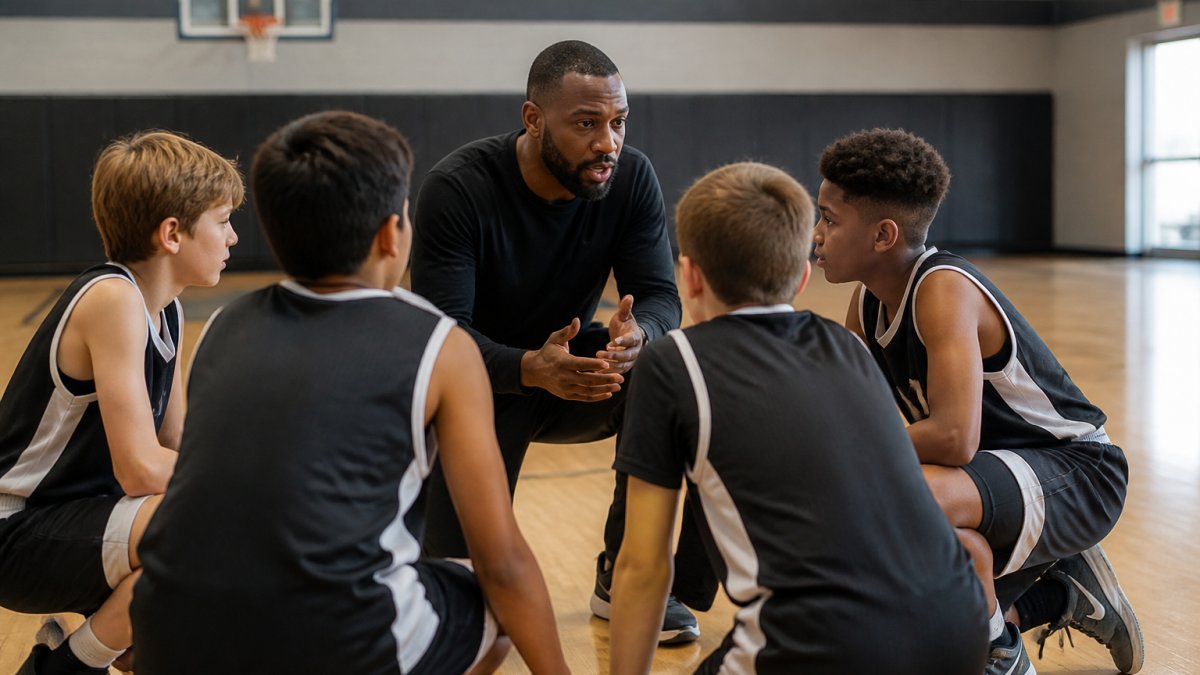
Rep basketball is competitive, travel-based basketball where young athletes play against similarly skilled players from surrounding regions. Unlike recreational leagues, rep teams require tryouts, practice multiple times per week, and compete in tournaments throughout the season. Coaches evaluate players on technical skill, basketball IQ, physical conditioning, and coachability, how well athletes respond to instruction and adapt to team dynamics.
Coaches assess whether you understand the game at a deeper level: can you read the defense, make quick decisions under pressure, and execute fundamental skills at game speed? The evaluation process typically lasts 60-90 minutes, with scrimmages, skill stations, and game-intensity pressure revealing hustle, court awareness, and execution under fatigue.
Is Rep Basketball Worth It for Your Young Athlete
Before diving into tryout preparation, consider whether rep basketball aligns with your child's goals and commitment level. Rep basketball demands significant time and financial investment, with intensified practice schedules, tournament travel, and competitive pressure.
Your child needs genuine interest in the sport, not just parental enthusiasm. Athletes who play rep basketball because they want to tend to thrive and stay engaged over multiple seasons. The benefits are real: competitive environments accelerate skill development, your child plays against better players, learns from experienced coaching staff, and develops mental toughness through game-speed competition.
Ask yourself: Does your child ask to practice outside of scheduled sessions? Do they watch basketball games and study player movement? Are they comfortable with constructive criticism? Do they want to compete, or do they prefer playing for fun? If most answers are yes, rep basketball could be a strong fit.
Physical Conditioning and Fitness for Rep Tryouts
Game-speed basketball demands explosive movements, sustained effort, and the ability to execute skills while fatigued. Conditioning work should begin 4-6 weeks before tryouts (peer-reviewed research).
Aerobic conditioning forms the foundation: incorporate 20-30 minutes of steady-state cardio 3-4 times per week at a pace where you can speak but not sing (physical activity guidelines for adults). Interval training mirrors game intensity: 30 seconds of maximum-effort sprinting followed by 30 seconds of walking recovery, repeated 8-10 times, performed twice weekly.
Strength and power work prevents injury and improves athletic performance. Focus on lower-body exercises: squats, lunges, single-leg deadlifts, and calf raises. Include core work: planks, side planks, and rotational exercises. Perform strength work 2-3 times per week with controlled movement.
Flexibility and mobility are crucial. Spend 10 minutes daily on dynamic stretching before activity and static stretching after, focusing on hips, hamstrings, and shoulders.
Test your conditioning 1-2 weeks before tryouts. Run a timed mile and perform a sprint test: how many times can you run the length of the court (approximately 28.65 meters) in 30 seconds? Baseline measurements help you gauge readiness for game-intensity demands.
Youth Basketball Tryout Drills to Master Before Tryout Day
Tryout preparation requires focused drill work targeting the specific skills coaches evaluate. You need deliberate repetition of movements you'll perform during tryouts, under conditions that simulate game pressure.
Ball Handling and Court Awareness Drills
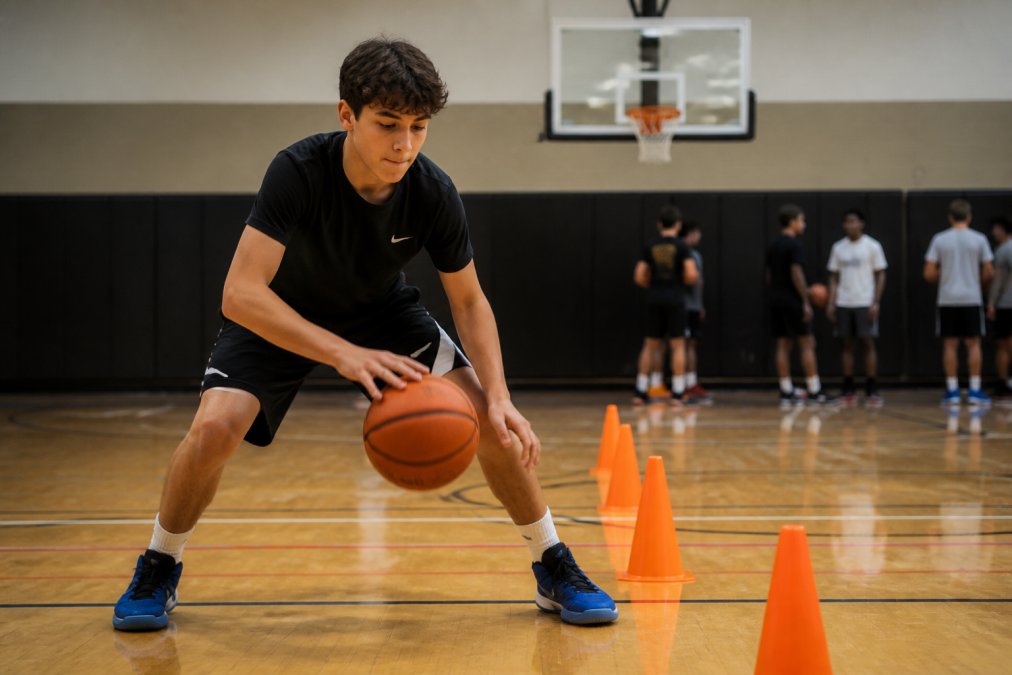
Ball handling separates players at the rep level. Spend 15-20 minutes daily on ball-handling work.
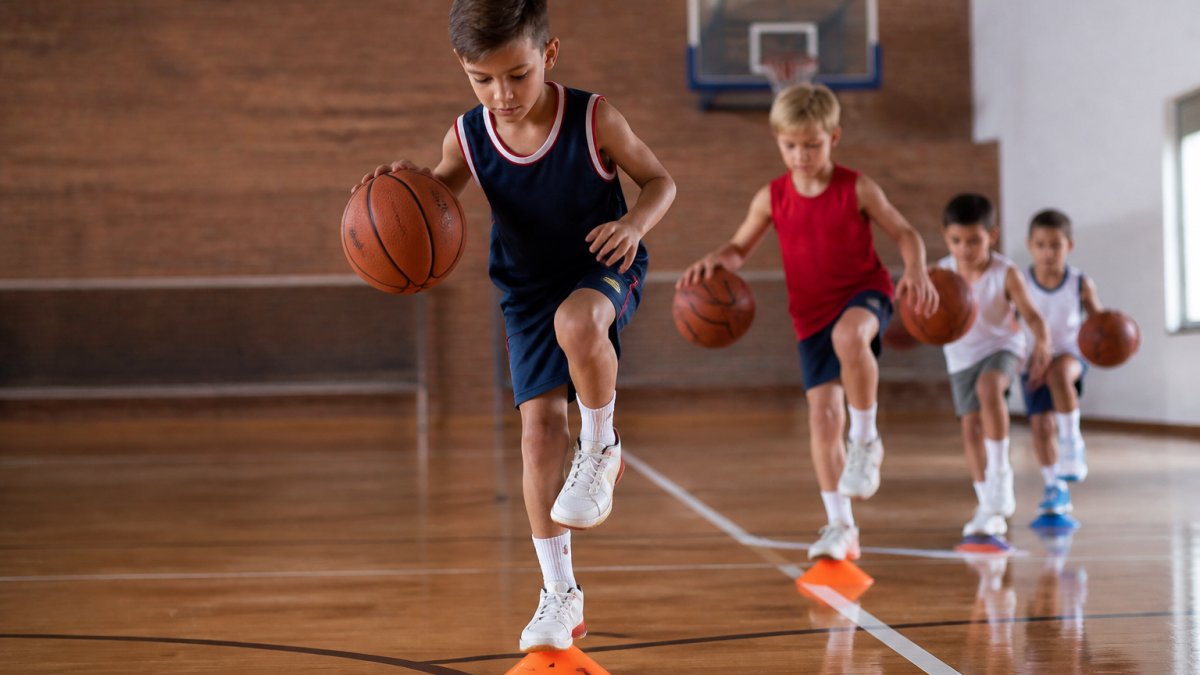
Figure-8 dribble: Dribble the ball in a figure-8 pattern around two cones placed approximately 3 meters apart, keeping your head up and maintaining rhythm for 60 seconds, then switch to your weak hand. Cone weave: Set up 5-6 cones in a straight line, approximately 1.5 meters apart, and dribble through using crossover dribbles, between-the-legs moves, and behind-the-back dribbles at game speed. Court awareness drill: Play 1-on-1 or 2-on-2 half-court games focusing entirely on making the right play, not scoring. This trains your brain to process court information quickly, which coaches evaluate heavily.
Shooting Mechanics and Game-Speed Drills
Shooting under pressure is different from shooting in practice. Spot shooting: Shoot 10 made shots from each of five spots on the court, tracking your makes and misses 3-4 times per week with a goal of 70% accuracy from each spot. Game-speed shooting: Have a partner pass you the ball at game speed, catch it, take one dribble, and shoot, varying the pass angles and distances to simulate real game situations. Free throw routine: Shoot 25 free throws daily using the exact routine you'll use during tryouts, focusing on consistency: same number of dribbles, same breathing pattern, same release point.
Defensive Stance and Hustle Drills
Defensive effort is often the deciding factor in close tryout decisions. Defensive slide: Assume a low defensive stance with knees bent, chest over knees, and hands active, sliding laterally approximately 4.5 meters while maintaining stance. Perform 5 sets of 10 slides each direction. On-ball defense: Pair with a partner who dribbles at game speed while you play tight defense, performing 30-second intervals of maximum-effort defense with 30-second rest, repeated 8-10 times. Transition defense: Practice sprinting back on defense after a shot or turnover, getting low and establishing position. Perform 10 transition sprints with maximum effort.
Mental Preparation and Mindset for Rep Tryout Success
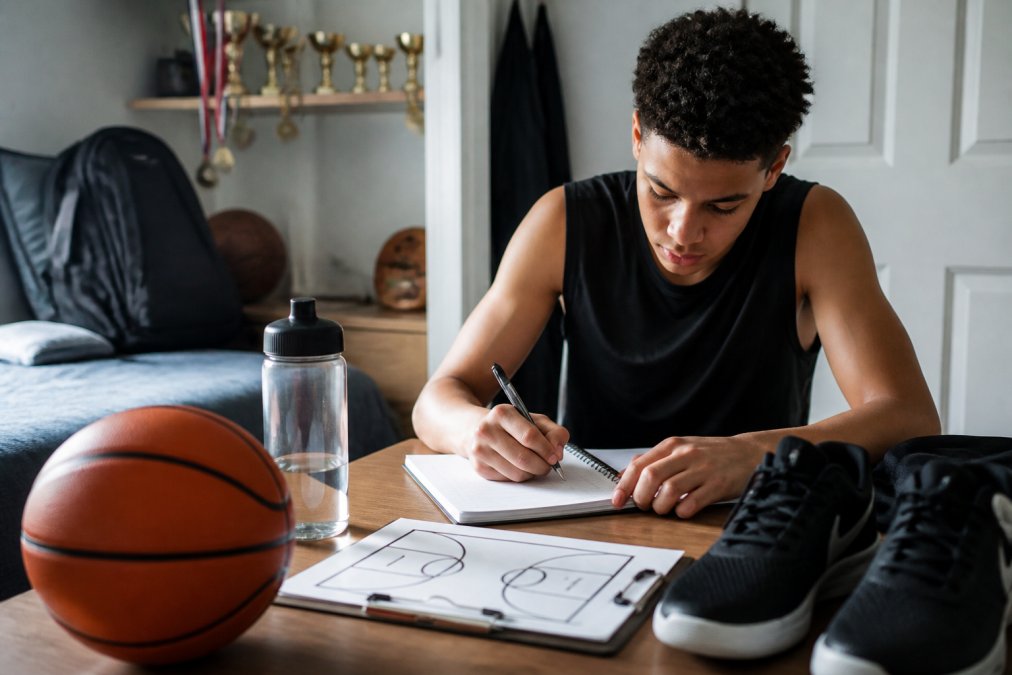
Physical preparation matters, but mental readiness often determines who makes the team. Tryouts are high-pressure situations where anxiety, self-doubt, and negative thinking can sabotage performance.
Visualization is one of the most effective mental preparation tools. Spend 5-10 minutes daily visualizing successful performance during tryouts. See yourself executing a difficult dribble move smoothly, shooting a clutch three-pointer with perfect form, playing tight defense and forcing a turnover.
Positive self-talk counteracts anxiety. Identify 2-3 short, powerful statements you believe in: "I'm prepared," "I execute under pressure," "I play tough defense." Repeat these statements daily, especially in the days leading to tryouts.
Reframe nervousness as readiness. The physical sensations of anxiety, elevated heart rate, heightened focus, energy, are identical to the sensations of peak performance. Instead of interpreting nervousness as a sign you're not ready, interpret it as your body preparing for peak performance.
Focus on controllables. During tryouts, you can't control whether the referee makes a particular call or what other athletes do. You can control your effort, your attitude, and your execution. Redirect anxious thoughts toward what you can influence: "I'm going to play hard on every possession," "I'm going to execute my fundamentals," "I'm going to communicate with my teammates."
What to Bring to Basketball Tryouts and Day-Of Checklist
Showing up unprepared for logistics is an easy way to underperform. Create a checklist and verify everything the night before tryouts.
Basketball gear:
- Basketball shoes (broken in, not brand new)
- Socks (bring extras; blisters derail performance)
- Comfortable athletic shorts and shirt (wear what you practice in)
- Reversible pinnies or scrimmage jerseys if the organization doesn't provide them
- Sweatshirt or warm-up jacket
Hydration and nutrition:
- Water bottle (at least 950 ml)
- Electrolyte drink (water alone isn't enough during intense activity)
- Light snack for after tryouts (banana, granola bar, or sandwich)
Personal items:
- Towel
- Headphones and phone (for pre-tryout mental preparation)
- Insurance card and emergency contact information
- Any required forms or waivers
Day-of preparation:
- Eat a balanced meal 2-3 hours before tryouts (carbs, protein, some fat; nothing heavy)
- Arrive 30 minutes early (allows time for warm-up and mental settling)
- Perform a 10-minute dynamic warm-up before tryouts begin
- Use the bathroom before tryouts start
- Review your mental preparation statements during warm-up
Drink 470-590 ml of water 2-3 hours before tryouts and another 240 ml about 30 minutes before (peer-reviewed research). During tryouts, take small sips of water and electrolyte drink during breaks. After tryouts, rehydrate and eat a snack with carbs and protein within 30 minutes to begin recovery.
| Checklist Item | Category | Why It Matters |
|---|---|---|
| Broken-in basketball shoes | Gear | New shoes cause blisters and discomfort |
| Water and electrolyte drink | Hydration | Dehydration reduces performance and increases injury risk |
| Balanced pre-tryout meal | Nutrition | Proper fuel ensures energy and mental clarity |
| Mental preparation statements | Mental | Positive self-talk stabilizes confidence under pressure |
| Arrive 30 minutes early | Logistics | Allows warm-up and mental settling before competition |
Communication With Coaches and Understanding the Tryout Process
Understanding how tryouts work and what coaches expect reduces unnecessary anxiety and helps you focus on performance.
Most rep basketball tryouts follow a similar structure: check-in and scrimmage jersey assignment, group warm-up and skill stations where coaches evaluate specific abilities, then scrimmage play where coaches see how you perform in game-speed situations with competitive pressure.
Coaches evaluate multiple dimensions simultaneously: technical skill, basketball IQ, physical conditioning, effort level, and coachability. Ask clarifying questions before tryouts. Contact the coaching staff ahead of time: What time should I arrive? What should I wear? Are there specific skills you'll focus on? What's the tryout format? This shows initiative and helps you prepare appropriately.
During tryouts, focus on execution, not results. You can't control whether every shot goes in. You can control whether you execute your fundamentals, play with effort, and respond to coaching.
After tryouts, ask for feedback if possible. Listen without defensiveness and ask specific questions: "What areas should I work on before next season?" This demonstrates coachability and gives you actionable information for future preparation.
Recovery and Post-Tryout Steps
What you do after tryouts matters as much as what you do during them. Recovery accelerates your body's adaptation to intense physical demand and positions you well for future competition.
Immediate post-tryout (first 30 minutes):
- Rehydrate with water and electrolyte drink
- Eat a snack with carbs and protein (banana with peanut butter, chocolate milk, or a sandwich)
- Perform 5-10 minutes of light stretching
Within 2-4 hours:
- Eat a balanced meal with protein, carbs, and vegetables
- Continue hydrating throughout the day
- Apply ice to any areas of soreness (15 minutes at a time)
- Perform 15-20 minutes of easy movement: walking, light cycling, or swimming
Over the next 2-3 days:
- Reduce training intensity significantly; perform only light skill work or recreational play
- Continue hydration and balanced nutrition
- Sleep 8-9 hours nightly (sleep is when your body adapts to training stress)
- Perform daily stretching and mobility work
Recovery isn't laziness, it's a critical part of the training process. Athletes who recover well adapt faster, perform better in future competitions, and stay healthy.
Preparing for a rep basketball tryout requires commitment across multiple dimensions: physical conditioning, skill development, mental readiness, and logistical preparation. The athletes who perform best aren't necessarily the most naturally talented; they're the ones who prepare thoroughly and manage their mindset under pressure.
At Tier 1 Sports, we work with young athletes who are serious about competitive basketball. Our rep basketball program is designed for players who've completed this preparation and are ready to compete at game speed with coaching that develops both skill and basketball IQ. If your child has completed rep tryout preparation and wants to join a community focused on skill development and competitive growth, reach out to learn about our rep tryouts and team placements. We're here to help young athletes realize their potential through expert coaching and a supportive competitive environment.
Frequently Asked Questions
How should I prepare my child for a basketball tryout?
Start with a structured training plan 6-8 weeks before tryouts. Focus on basketball fundamentals: ball handling drills, shooting mechanics, defensive stance, and conditioning. Practice at game speed and intensity, not just casual shooting. Work on coachability by responding positively to feedback. Include mental preparation through visualization and positive self-talk. Ensure your athlete understands the tryout process and what coaches assess: skill level, basketball IQ, hustle, team dynamics awareness, and physical endurance. Attend open skills sessions or camps if available to get familiar with coaching staff expectations.
What youth basketball tryout drills are most important to practice?
Prioritize drills that mirror game situations. Ball handling drills develop court awareness and offensive confidence. Shooting mechanics practice, both catch-and-shoot and off-the-dribble, is critical because coaches assess shooting consistency. Defensive stance drills build the foundation for on-ball and help-side defense. Scrimmage-style drills at game speed show coachability and basketball IQ. Conditioning drills ensure your athlete can sustain performance through the full tryout. Coaches evaluate how players execute fundamentals under pressure, so practice drills with fatigue and game-like intensity. Combine individual skill work with team-oriented drills to show you understand team commitment and dynamics.
Is rep basketball worth it for young athletes?
Rep basketball offers significant benefits if your child is motivated and ready for team commitment. You gain access to competitive coaching, higher-level skill development, and exposure to game intensity that accelerates athletic performance. Rep teams emphasize player development and basketball IQ in a structured competitive environment. However, it requires investment in training, travel, and fees. Consider whether your child has the maturity to handle constructive feedback, is willing to commit to regular practice and games, and genuinely enjoys competitive play. If your athlete shows passion for basketball and wants to improve beyond recreational play, rep basketball provides the pathway. Start with an honest assessment of your child's readiness and your family's ability to support the commitment.
What should I bring to basketball tryouts?
Pack basketball shoes with good ankle support, comfortable athletic clothing, and a water bottle for hydration. Bring a towel, extra socks, and a small snack for post-tryout recovery. Include your athlete's registration documents if required. Prepare a notebook to record feedback from coaching staff about areas to improve. Pack a recovery item like a foam roller or stretching band if your athlete uses one. Bring a phone or camera if permitted to record feedback notes. Include any medical information or emergency contact forms. Wear layers so your athlete can adjust comfort during warm-up and cool-down. Most importantly, bring a positive mindset and readiness to show hustle and coachability, coaches notice attitude and effort as much as technical skill.
This article was written using GrandRanker