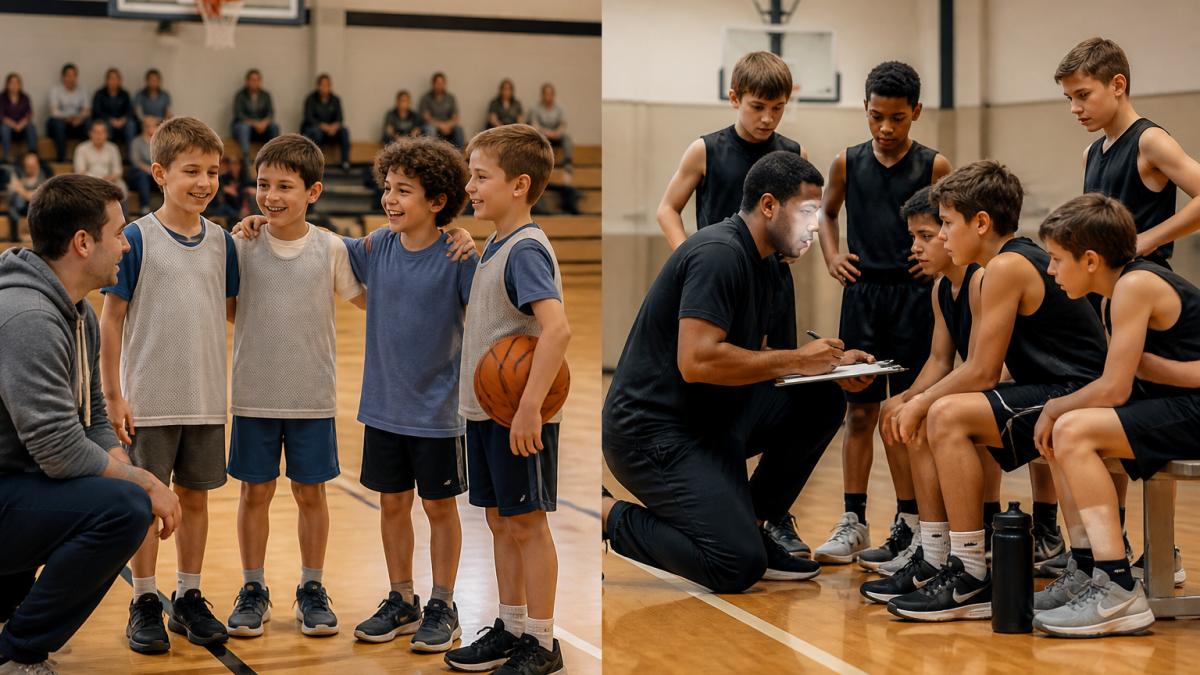
 comparison
Recreational vs Competitive Youth Basketball: A Parent's Guide
Table of Contents
- Recreational vs Competitive Youth Basketball: Key Differences
- Comparison Table: Recreational and Competitive Basketball
- Youth Basketball Practice and Game Schedule: Time Commitment by Level
- Cost and Equipment: Budget Planning for Each Level
- Competitive Basketball Readiness for Kids: Is Your Child Ready?
- Questions to Ask a Youth Basketball Coach Before Enrolling
- Signs of Burnout in Young Athletes: Protecting Your Child's Love of the Game
- How to Choose: A Decision Framework for Your Family
- Frequently Asked Questions
Last Updated: October 4, 2026
Recreational vs Competitive Youth Basketball: Key Differences
Choosing between recreational vs competitive basketball is one of the first major decisions parents face. These pathways serve fundamentally different purposes, demand different time commitments, and shape a child's experience of the game in distinct ways.
Recreational basketball prioritizes participation, fun, and broad skill development for all players. Competitive basketball emphasizes skill advancement, team performance, and selective placement based on ability. This difference extends to schedules, costs, coaching philosophy, and daily experience on the court.
Recreational Basketball: What to Expect
Recreational basketball programs guarantee every child who signs up plays. These leagues typically run 8-12 weeks with one game and one or two practices per week. Every player gets meaningful court time, usually 50% or more per game, regardless of skill level.
Coaching in recreational settings focuses on fundamentals and confidence-building. Coaches rotate positions, give every player ball-handling opportunities, and emphasize fun over winning. Games are officiated but focus on participation rather than perfection.
Recreational leagues mix age groups and skill levels, creating a supportive environment where beginners feel welcome and advanced players continue developing.
Schedules are predictable: one practice and one game per week, locally. Travel is minimal and family weekends remain flexible.
Competitive Basketball: What to Expect
Competitive youth basketball selects players through tryouts, placing them by skill level and experience. Not every child makes a team; placement determines competitive level.
Competitive teams practice 2-3 times weekly for 90+ minutes, focusing on advanced skills, team systems, and game preparation. Individual improvement is expected between sessions.
Playing time is not guaranteed. Starters play most of the game; bench players may see 10-20 minutes or none. This shapes the entire experience and suits some children better than others.
Competitive leagues involve travel to regional tournaments and showcases. Seasons run 4-6 months, often extending year-round with multiple leagues or skill camps.
Coaching emphasizes winning, team success, and competitive excellence. Coaches expect players to execute plays, defend intensely, and accept quick corrections.
Comparison Table: Recreational and Competitive Basketball
| Factor | Recreational | Competitive |
|---|---|---|
| Selection | Open to all who register | Tryouts; placement by skill |
| Practice Frequency | 1-2 per week | 2-4 per week |
| Practice Duration | 45-60 minutes | 90+ minutes |
| Playing Time | 50%+ guaranteed | Varies; starters play most |
| Season Length | 8-12 weeks | 4-6 months (often year-round) |
| Travel | Minimal; local games | Regional tournaments, overnight trips |
| Coaching Focus | Fundamentals, fun, confidence | Skill advancement, team systems, winning |
| Age/Skill Mix | Mixed ages and levels | Homogeneous skill level |
| Best For | Beginners, casual players, work-life balance | Serious players, competitive drive, skill focus |
Youth Basketball Practice and Game Schedule: Time Commitment by Level
Understanding the actual weekly and seasonal time commitment is critical. Many parents underestimate how much competitive basketball demands until they're already committed.
Recreational Schedule Expectations
Recreational seasons run 8-12 weeks with one practice (45-60 minutes) and one game per week. Weekly commitment: 90-120 minutes. Games are local with minimal travel. The predictable schedule allows recreational basketball to fit alongside other activities without dominating the family calendar.
Competitive Schedule and Travel Demands
Competitive seasons run September through March or April, often extending year-round. A typical week includes two 90-minute practices, one 2-hour game, and periodic tournament play (4-8 hours several times per season). Weekly commitment: 4-6+ hours. Travel to regional tournaments (1-2 hours) and showcases (3-4+ hours) is significant, with entire weekends spent traveling. Many families add private coaching and skill camps (2-4 hours weekly). The season spans 30+ weeks annually.
Cost and Equipment: Budget Planning for Each Level
Cost is often the deciding factor for families, yet it's also the area where many parents underestimate the full financial picture.
Registration, Equipment, and Hidden Costs
Recreational basketball has a straightforward registration fee covering coaching, facilities, and administration. Beyond registration, you'll need basketball shoes ($70-150) and comfortable clothing. Additional costs are rare.
Competitive basketball has higher registration fees plus significant additional costs: tournament fees ($200-500 each, multiple per season), travel expenses (gas, hotels, meals), specialized equipment, and optional private coaching ($50-150/session) and skill camps ($300-800/week). Realistic total: $1,500-3,000+ per season.
Competitive Basketball Readiness for Kids: Is Your Child Ready?
Readiness for competitive basketball involves skill level, emotional maturity, intrinsic motivation, and family circumstances, not age alone.
Age, Skill Level, and Emotional Maturity
Recreational basketball suits ages 5-6+, building fundamentals and confidence in a low-pressure environment. Competitive basketball typically begins ages 8-10, when children have body control, understand team concepts, and can handle limited playing time. Key readiness markers: basic ball-handling, ability to follow instructions, emotional resilience to criticism, and genuine interest in improvement. Children with 2-3 recreational seasons typically have these foundations.
Assessing Your Child's Interest and Motivation
Recreational basketball appeals to most children who enjoy sports. Competitive basketball requires intrinsic motivation, your child must want to improve, handle limited playing time, and accept coaching correction. Ask: Does my child practice outside team practice? Do they bounce back from mistakes? Are they interested in skill development? Would they be disappointed on a lower team? Honest answers reveal readiness better than skill level.
Questions to Ask a Youth Basketball Coach Before Enrolling
Before committing to any program, ask the coach or program director these questions. Their answers reveal a lot about the program's actual philosophy and whether it matches your family's needs.
Coaching Philosophy and Player Development
Ask about player development approach, how they balance skill-building with outcomes, and how they decide playing time. In recreational programs, expect "everyone plays." In competitive programs, a good coach explains transparently. Also ask about coaching background and experience with your child's age group.
Playing Time, Team Selection, and Advancement Criteria
Ask: "How is playing time determined? Is it based purely on skill, or do other factors matter?"
Some competitive programs guarantee minimum playing time for all players. Others don't. Know which you're joining.
Ask if multiple competitive tiers exist, allowing development at your child's pace. Also ask how often players are evaluated and whether they can move between teams during the season. Continuous evaluation and movement offer more flexibility.
Signs of Burnout in Young Athletes: Protecting Your Child's Love of the Game
Burnout in youth sports is real, and it often develops quietly. By the time parents notice, their child has already lost the joy they once had for basketball.
Recognizing Physical and Emotional Warning Signs
Physical signs include recurring injuries, chronic fatigue, and appetite changes. Emotional signs are more telling: loss of excitement about basketball, complaints about practice, mood changes after games, anxiety about mistakes, withdrawal, constant self-comparison, or requests to quit. The key sign: basketball becomes an obligation rather than a joy.
Early Specialization Risks and Injury Prevention
Early specialization in one sport year-round increases injury and burnout risk while paradoxically lowering long-term athletic success. Research shows children benefit from multiple sports, seasonal breaks, and unstructured play. Young athletes need recovery time; overtraining increases injury risk. If burnout appears, step back and reduce intensity rather than push harder. Moving from competitive to recreational for a season is wisdom, not failure.
How to Choose: A Decision Framework for Your Family
The choice between recreational vs competitive basketball isn't about which is objectively "better." It's about which fits your child and your family right now.
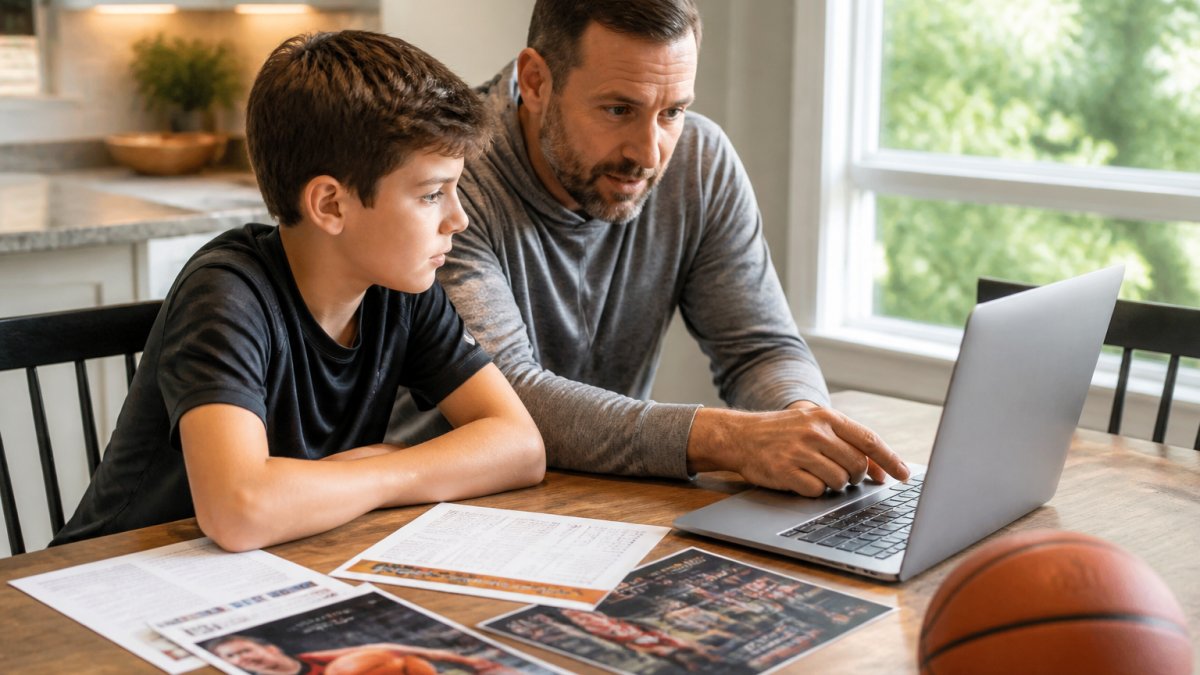
Matching Program Level to Your Child's Goals
Start with your child's actual goals, not your assumptions about what they should want.
Ask your child: "What do you want to get out of basketball?" Listen to their answer without judgment.
If they say, "I want to have fun and play with my friends," recreational basketball is the right fit. They don't need the pressure and time commitment of competitive basketball to achieve that goal.
If they're unsure, that's valuable information too. A child without clear motivation for competitive basketball probably isn't ready for it yet.
When to Stay Recreational, When to Transition to Competitive
Stay recreational if:
- Your child is under age 8 (unless they're exceptional and genuinely motivated)
- Your child is new to basketball (let them build fundamentals and love for the game first)
- Your family's schedule or budget can't accommodate competitive demands
- Your child plays multiple sports and you want to keep options open
- Your child enjoys basketball but isn't driven to excel at it
- Your child is sensitive to criticism or doesn't handle not playing well
Consider transitioning to competitive if:
- Your child has played recreational basketball for 2+ seasons and consistently asks for more challenge
- Your child practices basketball outside of team practice because they want to
- Your child is emotionally ready to handle not playing in every game
- Your family can commit to the schedule and financial investment
- Your child's skill level is advanced enough that they're bored in recreational settings
- Your child expresses genuine interest in playing on a "real team" or competing seriously
The transition doesn't have to be all-or-nothing. Some families choose a middle path: a competitive recreational league (more challenging than casual recreational, less intense than rep basketball), or a single competitive season to test whether it's the right fit.
Tier 1 Sports offers programs across this entire spectrum, from introductory recreational programs for young children discovering basketball for the first time, to competitive rep basketball for serious young athletes.
The right choice is the one that keeps your child engaged, healthy, and genuinely enjoying basketball. That choice might change as your child grows, and that's perfectly normal.
Choosing the right basketball pathway for your child is one of the most important decisions you'll make as a sports parent.
Frequently Asked Questions
What are the main differences between recreational and competitive youth basketball?
Recreational basketball prioritizes fun, skill-building, and participation for all players. Most children receive equal playing time and face less pressure to win. Competitive basketball emphasizes skill development through tryouts, team selection, and higher-level play. Players compete for roster spots, travel more frequently, and participate in leagues with standings and advancement criteria. Both build basketball fundamentals, but competitive programs require greater time, cost, and commitment.
How can I tell if my child is ready for competitive basketball?
Competitive basketball readiness for kids involves three factors: foundational skill level (comfort with basic dribbling, passing, and shooting), intrinsic motivation (your child expresses desire to play more seriously, not just parental pressure), and emotional maturity. Also consider emotional maturity, does your child handle constructive feedback well? Can they manage disappointment if they don't start every game? Readiness is individual; some children thrive in competitive settings early, while others benefit from staying recreational longer.
What should I ask a youth basketball coach before enrolling my child?
Ask questions to understand coaching philosophy: How do you balance winning with player development? What is your approach to playing time for all skill levels? For competitive programs, ask about tryout criteria, roster size, and advancement pathways. Inquire about injury prevention, practice structure, and how the coach communicates with parents. Ask about team values and whether the coach emphasizes respect, teamwork, and enjoyment alongside competition.
How much time does my child need to commit to competitive youth basketball?
Youth basketball practice and game schedules vary by age and league. Recreational programs typically involve one practice and one game per week. Competitive programs often require two to three practices weekly plus weekend games. Travel may add additional time for away tournaments. Before enrolling, request the full season schedule, including practice times, game days, and any travel commitments. Confirm whether the program runs year-round or seasonally.
What are signs of burnout in young athletes, and how can I prevent it?
Signs of burnout in young athletes include loss of interest in basketball, reluctance to attend practice, persistent fatigue, increased irritability, or complaints of pain without clear injury. Burnout often results from excessive pressure to win, year-round competition without breaks, or early specialization in a single sport. Prevent burnout by ensuring your child has time for other activities and rest days, maintaining open communication about their enjoyment, and choosing programs that emphasize skill development and fun. If your child shows warning signs, consider stepping back to recreational play or taking a season off to rebuild their love of the game.