 Comparison
Basketball Camps vs Multi-Sport Programs: Which Fits Your Child?
Last Updated: November 9, 2026
Quick Summary
Choose basketball camps when your child asks to play constantly, tolerates repetition, and is ready for sport-specific coaching, typically from age 7 up. Choose multi-sport programs for kids aged 4 to 10 who are still sampling sports or showing burnout signs. Match the format to your child's age, temperament, and goals rather than which sounds more impressive.
- Multi-sport programs best suit ages 4 to 10; basketball camps fit kids 7 and up.
- Delay single-sport specialization until your child has built a broad movement base.
- Ask for the actual player-to-coach ratio and which coaching certifications staff hold.
- Watch for recurring joint pain, sleep disruption, or dread before practice as burnout signs.
- If your child lands between columns, start with a multi-sport block and revisit after one season.
Table of Contents
- Basketball Camps vs Multi-Sport Programs: A Side-by-Side Comparison
- The Benefits of Multi-Sport Participation for Young Athletes
- When to Specialize in Basketball (and When to Wait)
- Basketball Camp Age Groups: What Fits Your Child at 4, 7, or 12
- The Late Bloomer Advantage and the Burnout Data Parents Should Know
- Questions to Ask Before Booking a Sports Camp
- A Decision Matrix for Parents: Which Path Suits Your Family
- Booking Your Child's First Program at Tier 1 Sports
- Frequently Asked Questions
Basketball Camps vs Multi-Sport Programs: A Side-by-Side Comparison
The choice between basketball camps and multi-sport programs comes down to one question: does your child want depth in one game, or breadth across several? Tier 1 Sports coaches players from age 4 to 16. The right answer depends on your child's age, temperament, and goals, not on which program sounds more impressive.
Here is the short version. Basketball camps build sport-specific skill through repetition, coaching feedback, and game play. Multi-sport programs build fundamental movement skills like balance, coordination, and agility that transfer to every sport a child tries later. Neither is universally better. What matters is matching the format to your child's developmental stage. The same developmental fit matters when choosing between martial arts, where Evolve Jiu Jitsu & Muay Thai can help frame the choice around a child's interests and readiness.
This guide breaks down both options honestly, including where each one falls short.
| Factor | Basketball Camps | Multi-Sport Programs |
|---|---|---|
| Primary focus | Skill progression in one sport | Broad movement foundations |
| Best age range | 7 and up | 4 to 10 |
| Coaching depth | Sport-specific instruction | General physical literacy |
| Game time | Regular scrimmages | Rotating sport sessions |
| Best for | Kids who love basketball | Kids still sampling sports |
The Benefits of Multi-Sport Participation for Young Athletes
Multi-sport participation builds what coaches call physical literacy: the ability to run, jump, throw, catch, and change direction with confidence. A child who plays soccer in spring, basketball in winter, and swims in summer develops a wider movement vocabulary than one who trains a single skill year-round.
The benefits show up in three areas:
- Motor skill acquisition. Different sports stress different movement patterns. Basketball develops lateral quickness; soccer builds endurance and foot control; gymnastics improves balance.
- Social-emotional learning. Each new team means new teammates, new coaches, and new expectations. Kids practice adapting.
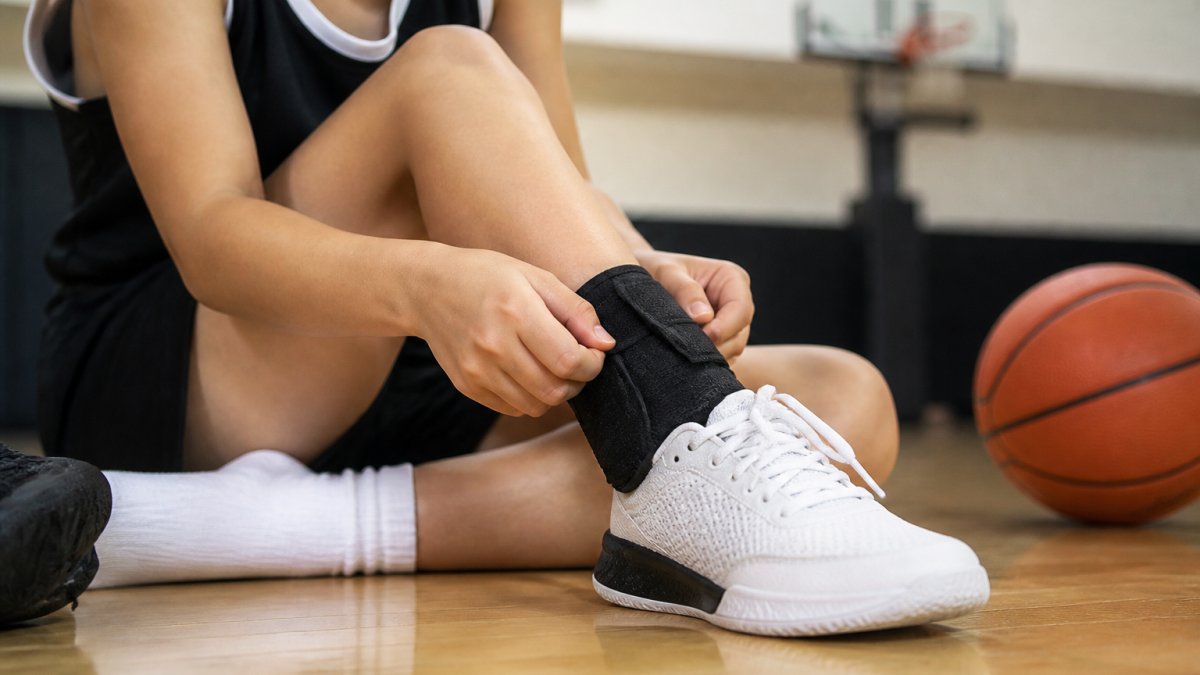
- Injury prevention. Repetitive strain from one sport is a real risk for growing bodies. Variety spreads the load across muscle groups.
For parents weighing options, the case for sport sampling in the early years is strong. If your child plays basketball and you want to understand how multi-sport play sharpens their game specifically, our breakdown of the benefits of multi-sport play for basketball players covers the crossover skills in detail.
When to Specialize in Basketball (and When to Wait)
Many youth sport and coaching organizations recommend delaying focused, single-sport training until a child has built a broad movement base, and the Canadian Sport for Life framework is a useful reference on this.
Signs your child may be ready to specialize:
- They ask to play basketball more than any other sport, unprompted.
- They show consistent focus during drills, not just games.
- They recover well from practice and want to return the next day.
- They are approaching the age where skill progression requires regular, structured coaching.
Signs to wait:
- They still light up at the idea of trying a new sport.
- They lose interest midway through a season.
- They are not yet comfortable with basic coordination tasks like skipping or catching.
The Canadian Sport for Life long-term athlete development framework is a useful reference here. It lays out stages of athletic development and consistently advises against early specialization.
Basketball Camp Age Groups: What Fits Your Child at 4, 7, or 12
Age is the single best predictor of which program format fits. A 4-year-old and a 12-year-old need completely different coaching approaches, group sizes, and session lengths.
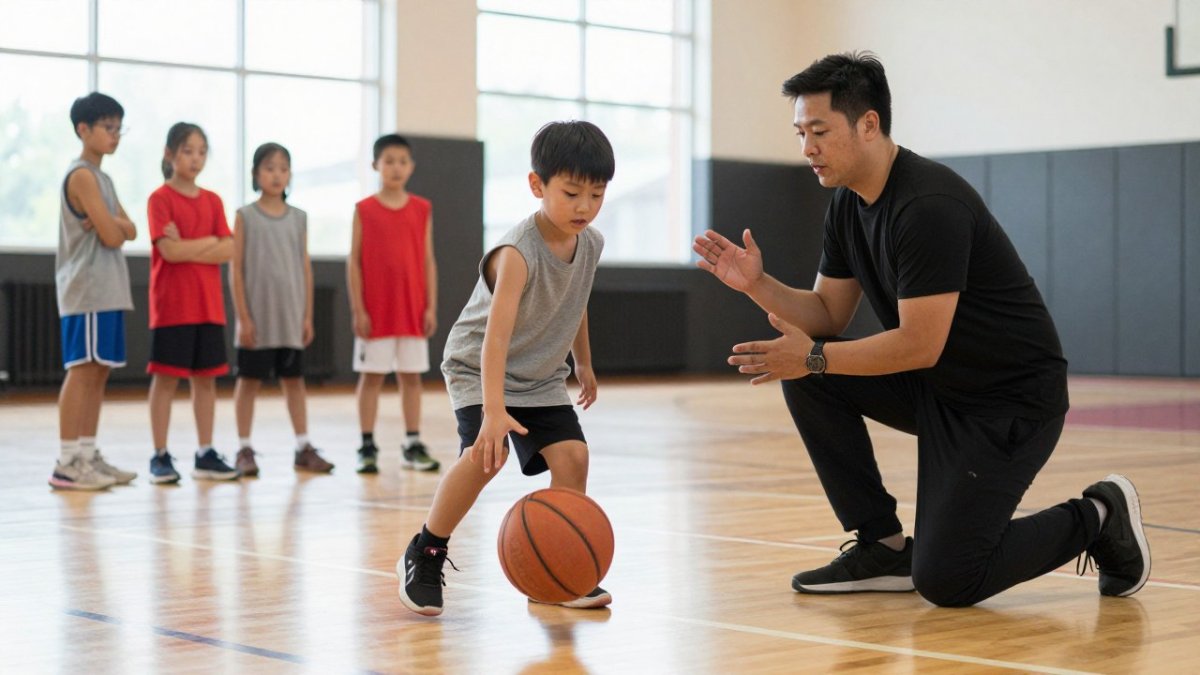
Here is how we structure age groups at Tier 1 Sports:
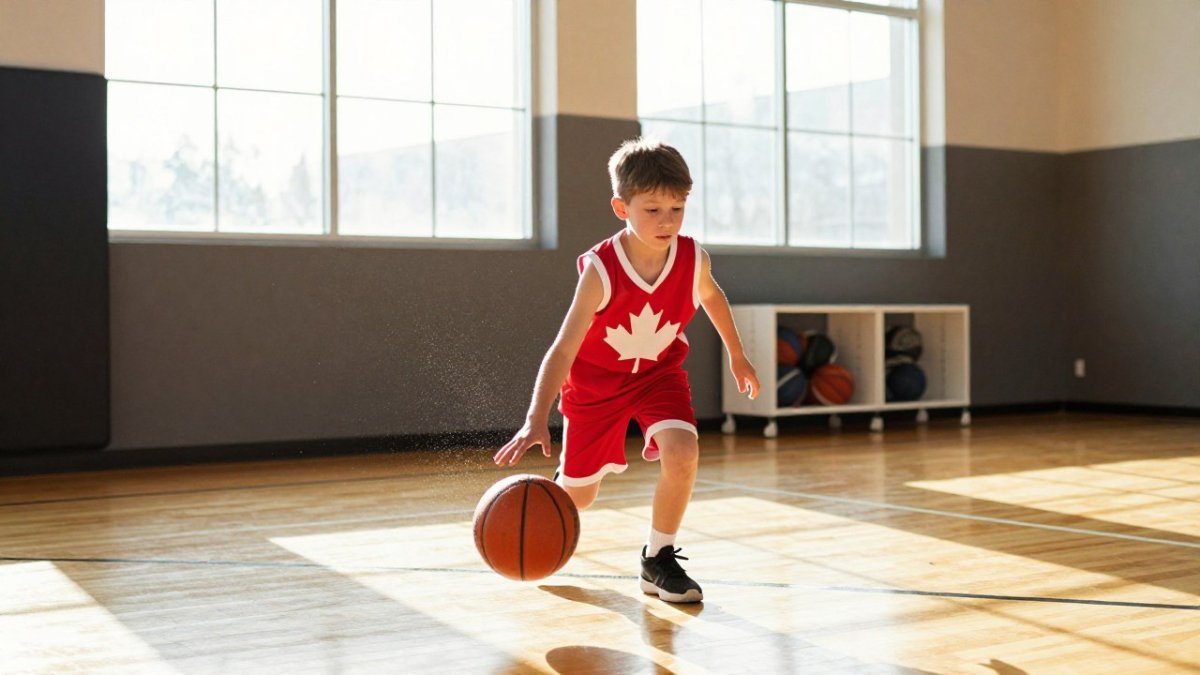
- Ages 4 to 6: Short sessions, heavy on games and movement exploration. The goal is fun and comfort with a ball, not technique. Expect lots of smiles and very little structured drilling.
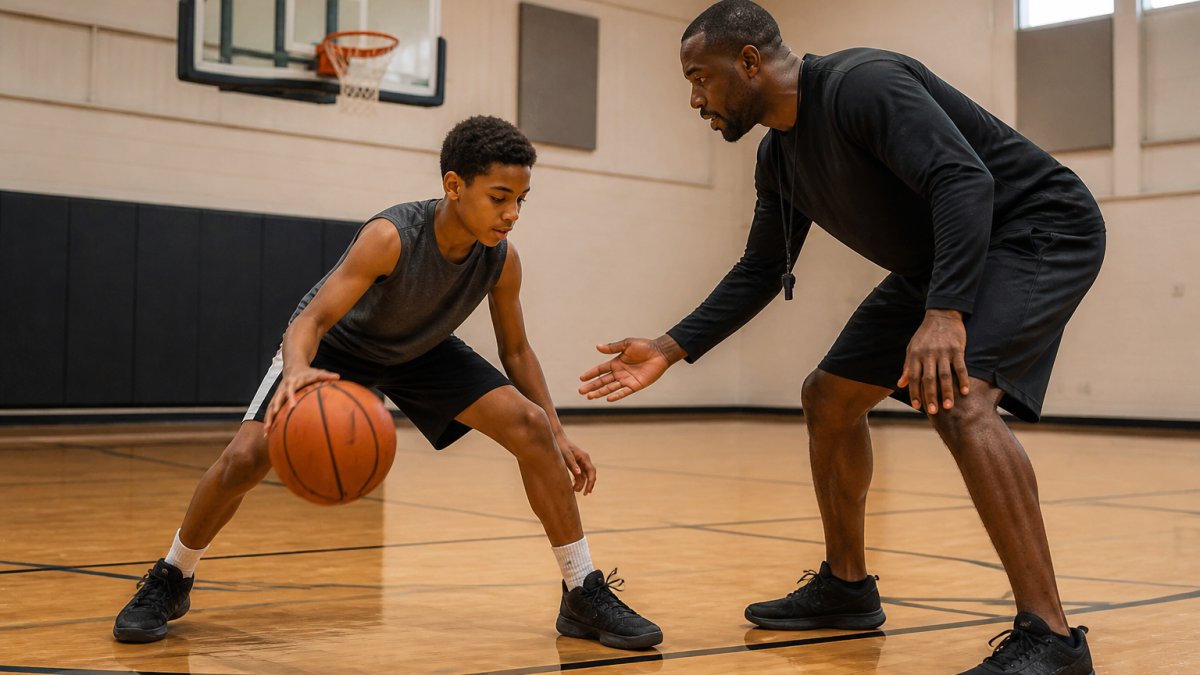
- Ages 7 to 10: The skill-building window. Kids this age can follow multi-step instructions and absorb coaching feedback. Dribbling, passing, and shooting form start to matter.
- Ages 11 to 16: This is where competitive pathways open up. Players can handle sport-specific training, game strategy, and rep-level intensity.
If your child is 4 to 6 and you want to see what an introductory camp actually looks like, our youth basketball summer camps for ages 4-6 page walks through a typical session.
The Late Bloomer Advantage and the Burnout Data Parents Should Know
Many athletes who reach high levels did not specialize early, and playing several sports through childhood is a common path to a later commitment in the teen years.
Burnout is a real concern in youth sport, and it is not just a motivation problem. Parents should watch for signs of overuse and loss of enjoyment when a child trains year-round in one sport.
If a child who is still enthusiastic complains of recurring joint pain, sleep disruption, or dread before practice, it may be worth reducing training hours and talking with a qualified health professional.
A useful rule of thumb from long-term athlete development guidance is to keep the ratio of organized sport to free play balanced through childhood. If a child spends more hours in structured drills than in unstructured movement, the variety and recovery that protect long-term participation are missing. The Canadian Sport for Life long-term athlete development framework describes these stages in more detail and consistently advises against early specialization.
If you are worried about burnout before committing to a camp, our guide on how to prevent burnout in youth sports covers the warning signs and practical prevention strategies.
Questions to Ask Before Booking a Sports Camp
Before you pay for any program, ask these questions. The answers separate a well-run camp from a babysitting service with a whistle.
- What is the player-to-coach ratio? Smaller groups generally mean more feedback per child. Ask for the actual number, not a range.
- What certifications do coaches hold? Ask which coaching certifications staff hold and whether background checks are current.
- How much game time happens per session? Skill development without game application gets boring fast. Ask for the drill-to-scrimmage split.
- What is the coaching philosophy on winning versus learning? A healthy program balances both. A cutthroat one benches kids for mistakes.
- What does the facility safety setup look like? Ask about first aid training, emergency plans, and equipment condition.
- Can I see a session or talk to current parents? A confident program will say yes.
Watch out: a program that cannot answer the ratio and certification questions clearly is telling you something. Move on.
A Decision Matrix for Parents: Which Path Suits Your Family
Choosing a program is more than one question about whether your child loves basketball. A better decision matrix weighs three inputs: your child's temperament, their current skill level, and your family's schedule and budget. Use the questions below to place your child in the right column before you book anything.
Step 1: Temperament. Does your child thrive on repetition and measurable progress, or do they get restless when drills repeat? A child who asks to practice free throws until they make ten in a row is signaling readiness for a basketball camp. A child who wants to try goalkeeper one week and badminton the next is signaling a multi-sport fit.
Step 2: Current skill level. A child who cannot yet catch a bounced ball or skip comfortably will get more from a multi-sport program that builds fundamental movement skills. A child who already dribbles with both hands and wants structured feedback is ready for sport-specific coaching.
Step 3: Schedule and budget. Basketball camps often concentrate hours into a week or a season, which can be easier for families with unpredictable work schedules but harder on a child who needs recovery time. Multi-sport programs usually spread sessions across a longer block, which builds routine but requires sustained weekly commitment. Compare the total hours and the per-hour cost, not just the headline price.
| Your situation | Choose basketball camps | Choose multi-sport programs |
|---|---|---|
| Child is 4 to 6 and new to sport | No | Yes |
| Child asks for basketball constantly and tolerates repetition | Yes | No |
| Child still wants to try other sports each season | No | Yes |
| Child is 10+ and wants structured skill work | Yes | No |
| Child shows signs of sport burnout or overuse pain | No | Yes |
| You want a competitive pathway with rep tryouts | Yes | No |
| Family schedule changes week to week | Consider a camp block | Consider a longer program |
| Child has not yet picked a favorite sport | No | Yes |
The middle ground matters too. Some kids are not ready for rep tryouts but want more than casual recreation. A developmental basketball program bridges that gap with structured skill work and regular game play, without the pressure of a competitive roster.
If you are comparing a basketball-first program against a multi-sport alternative, our Sportball vs Halton Basketball comparison lays out the trade-offs side by side.
Booking Your Child's First Program at Tier 1 Sports
The best program is the one your child wants to return to. That is the standard we hold ourselves to at Tier 1 Sports. Tier 1 Sports offers basketball programs for ages 4 to 16, from introductory sessions for beginners through to competitive rep basketball.
Tier 1 Sports's programs focus on both skill development and a passion for basketball. Tier 1 Sports offers both recreational and competitive pathways.
Ready to see the full lineup? Explore our available basketball programs for ages 4-17 and find the fit for your child's age and skill level.
Choosing a sports program is a decision about your child's confidence, not just their calendar. Tier 1 Sports offers age-specific basketball programs, a recreational-to-rep pathway, and coaching that puts skill development and passion side by side. Get started with Tier 1 Sports and find the program where your child thrives.
Frequently Asked Questions
Is a basketball camp or a multi-sport program better for my child?
It depends on your child's age and goals. For kids aged 4 to 6, multi-sport programs build fundamental movement skills like balance, coordination and agility that transfer to every sport later on. From about age 7, basketball camps can sharpen sport-specific skills such as ball-handling, footwork and shooting mechanics. Many families combine both: multi-sport play in early childhood, then a basketball-focused camp once a child shows genuine interest. Neither option is wasted time, and switching between them is common.
At what age should a child specialize in basketball?
Most youth development guidance suggests delaying single-sport specialization until the early teen years. Before that, sampling multiple sports supports motor skill acquisition, physical literacy and cognitive development, and it lowers the risk of sport burnout and overuse injury. A reasonable approach is broad multi-sport play through the elementary years, recreational basketball in the middle years, and a decision about competitive rep basketball around ages 11 to 13, once a child's interest and physical maturity are clearer.
What should parents look for when choosing a basketball camp?
Check the coach-to-player ratio, coaching certification, age-appropriate curriculum and how much actual game time kids get versus standing in drill lines. Ask about facility safety, whether the program groups children by age and skill, and whether the philosophy favors learning over winning. Request video of a real practice or contact details for past parents. These questions to ask before booking a sports camp will tell you more than a brochure, and they apply to multi-sport programs just as much as basketball camps.
Can playing multiple sports help a child become a better basketball player?
Yes. Sports like soccer, gymnastics and track build coordination, agility, balance and spatial awareness that carry directly into basketball. Multi-sport participation also develops athletic fitness and reduces the repetitive strain that comes from year-round single-sport training. Kids who sample sports often arrive at basketball with stronger fundamental movement skills and better body control, which makes sport-specific training more productive once they start it.