 How-to
How to Prevent Burnout in Youth Sports
Last Updated: November 5, 2026
Quick Summary
Preventing burnout in youth sports means keeping training, competition, and recovery in balance, starting with regular full rest days and avoiding year-round play with no off-season. Watch for warning signs such as dread before practice, constant tiredness, and mood changes, and ease the schedule before pushing harder.
- Schedule full rest days with no organized sport, such as Thursday and Sunday in a sample week.
- Avoid year-round play by building in a genuine break from structured training between seasons.
- Delay early single-sport specialization and keep variety through the early teen years.
- Ease off the schedule when signs like persistent tiredness or frequent minor injuries appear for weeks.
- Keep the fun by focusing praise on effort and improvement rather than only on wins.
Table of Contents
- What Youth Sports Burnout Is and Why It Happens
- Signs of Burnout in Young Athletes
- How Much Rest Do Young Athletes Need?
- Youth Sports Specialization and Burnout
- Balancing Training, Competition, School, and Family Life
- How to Keep Sports Fun for Kids
- Talking With Your Child About Taking a Break or Quitting
- Booking Your Child's Next Step at Tier 1 Sports
- Frequently Asked Questions
Youth sports should be something kids look forward to, not something they dread. Yet burnout in youth sports is one of the most common reasons young athletes quit, often before they reach their teens. Knowing how to prevent burnout in youth sports starts with understanding what it is, how it shows up, and what parents and coaches can do before it takes hold.
What Youth Sports Burnout Is and Why It Happens
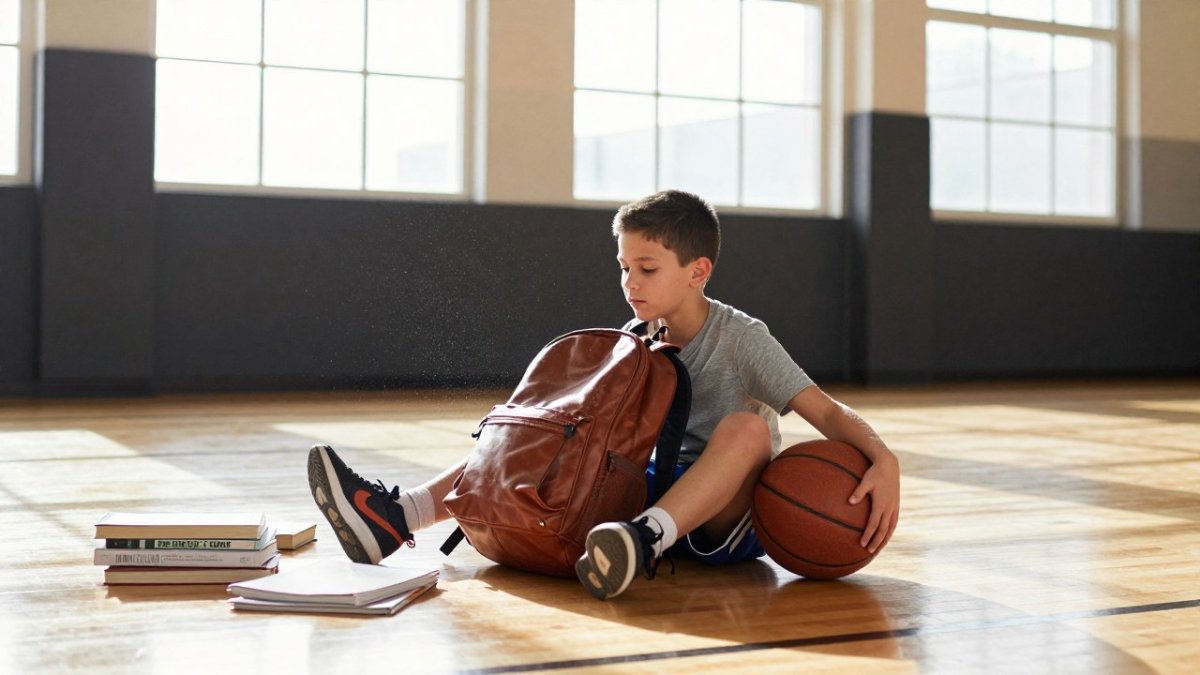
Burnout is a state of physical and emotional exhaustion that builds when pressure, training demands, and recovery don't stay in balance. It is not the same as a bad week or a tough tournament.
Several factors tend to push kids toward burnout:
- Too much training without enough rest days
- Year-round play with no real off-season
- Pressure from adults, including parents, coaches, and the child's own expectations
- Early single-sport focus before the child has tried other activities
- Losing the fun that drew them to the sport in the first place
A common mistake is assuming that more practice always leads to better results. For a deeper look at handling this problem, see our guide to managing burnout in competitive youth sports.
Signs of Burnout in Young Athletes
Burnout rarely announces itself. Watch for changes that last more than a couple of weeks:
- Less interest in practice or games, or dread before them
- Constant tiredness, even after a full night's sleep
- More frequent aches, minor injuries, or illness
- Irritability, tearfulness, or mood changes
- Dropping performance despite working harder
- Talking about quitting or saying they "just don't care" anymore
If you notice several of these at once, ease off the schedule before pushing harder. Talk with your child first, then with their coach.
The article lists several warning signs that often appear before a child quits, and a reader can scan them in a table.
| Sign | What it can look like | What to do |
|---|---|---|
| Less interest | Dread before practice or games | Talk with your child first |
| Constant tiredness | Tired even after a full night's sleep | Ease off the schedule |
| More aches or illness | Frequent minor injuries or illness | Check in with the coach |
| Mood changes | Irritability or tearfulness | Watch for changes lasting weeks |
| Dropping performance | Worse results despite harder work | Reduce load before pushing harder |
| Talk of quitting | Says they just don't care anymore | Respond with open questions |
How Much Rest Do Young Athletes Need?
Rest is where recovery happens, so it is not optional. But rest needs change as a child grows, and a plan that works for a 7-year-old will not work for a 15-year-old. Recovery needs generally track with growth and training load, so the guidance below is organized by developmental stage rather than treated as one-size-fits-all.
Rest guidance by age and stage
- Ages 4 to 8 (foundational years): The priority is free play and variety. Keep several days a week free of structured sport, and avoid back-to-back competition days. Sleep needs are high for children in this range, including naps for the youngest.
- Ages 9 to 12 (skill-building years): Kids can handle more structured practice, but recovery still matters. Aim for regular full rest days with no organized sport, and avoid long runs of consecutive training days.
- Ages 13 to 16 (adolescent growth years): Growth spurts can increase injury risk and fatigue. Keep regular full rest days, avoid long stretches of high-intensity training, and build in lighter weeks. Teens need consistent sleep, which is often hard to protect during school terms.
A sample balanced week
A workable template for a child in the 9-to-12 range who plays two sports:
- Monday: Team practice (moderate)
- Tuesday: Free play or light skill work at home
- Wednesday: Team practice (moderate)
- Thursday: Full rest day, no organized sport
- Friday: Game or competition
- Saturday: Game or competition, or a fun family activity
- Sunday: Full rest day or light active recovery such as a walk or bike ride
Families can shift days to fit their schedule, but the balance between rest and training matters more than the exact days.
Season transitions
Between seasons, a genuine break from structured training for that sport is worth building in, with free play and other activities encouraged. For multi-sport athletes, the break from one sport often overlaps with the start of another, which is fine as long as the total weekly load stays reasonable.
Watch out: A "break" that is filled with private lessons, camps, or a second team is not a break. If the calendar looks the same as the season, the child is not recovering.
Signs the rest plan is not working
Revisit the schedule if you notice persistent tiredness, declining performance, frequent minor injuries, or a child who dreads practice. These are early signals that recovery is lagging behind training load, and the fix is usually to reduce volume before reducing fun. Keeping training loads manageable and recovery consistent supports preventing overuse injuries while helping young athletes stay engaged in the sports they enjoy.
Youth Sports Specialization and Burnout
Specializing in one sport at a young age is one of the strongest risk factors for burnout. Parents weighing these choices can compare the two paths in our recreational vs competitive youth basketball guide. Many kids who play one sport year-round lose the variety that keeps them engaged and physically balanced.
Watch out: Specializing early can narrow a child's skills and increase repetitive strain, even when the child still loves the game.
A safer approach:
- Play multiple sports or activities through the early teen years
- Choose one main sport later, when the child's interest is clear
- Keep the season structured, with genuine breaks
Balancing Training, Competition, School, and Family Life
Sports compete with school, homework, friendships, and family time. Our how-to guide on balancing rep basketball with school walks through building a workable weekly schedule. When one area takes over, burnout often follows. Most advice stops at "make a schedule," but the harder problem is coordinating across multiple teams, coaches, and school terms. This section focuses on the practical coordination work that families and coaches actually have to do.
Map the real weekly load, not the ideal one
Start by writing down every commitment for a typical week: practices, games, tournaments, travel time, school events, homework blocks, and downtime. Include the commute, a 45-minute drive each way is part of the load.
Once the week is mapped, protect at least one evening a week with nothing scheduled and one weekend day that is free of competition. These are not luxuries; they are the buffer that absorbs the inevitable schedule changes.
Coordinate across coaches and teams
When a child plays on more than one team, the coaches often do not know about each other's demands. A short email or conversation at the start of each season can prevent most conflicts:
- Tell each coach what else the child is doing that season, including school commitments.
- Ask each coach which sessions are essential and which are optional.
- Agree in advance how conflicts will be handled, especially around tournaments and playoffs.
- Share any known rest days or lighter weeks so coaches can plan around them.
Watch out: Saying yes to every optional session across two teams can quietly double a child's weekly load. Optional sessions are the first thing to cut when the calendar gets tight.
Manage overlapping seasons and tournaments
Overlapping seasons are common in multi-sport families. A few practical rules help:
- Pick one priority sport per season, and treat the other as recreational during that period.
- Limit tournament weekends to a set number per season, and build a rest day after each one.
- Avoid scheduling back-to-back tournament weekends, which compress recovery and school work into the same few days.
- Keep a shared family calendar that every caregiver and coach can see.
Protect school and sleep during busy periods
School demands spike at predictable times, exam periods, project deadlines, the start of a new term. During those windows, reducing training volume by one session a week is often enough to keep the child from falling behind on sleep and school work. Sleep is often the first thing to suffer when schedules tighten, and one of the last things families think to protect.
Involve the child in the trade-offs
Balance is not something adults can impose. Ask the child which commitments matter most to them, and let them choose what to drop when the week is too full. A child who helps decide the schedule is more likely to stay engaged and less likely to feel that sport is something being done to them.
When to reduce the load
If the family calendar has no free evenings for several weeks in a row, or the child is regularly staying up late to finish school work after practice, that is a signal to cut back. Reducing one session a week is usually enough to restore balance before burnout takes hold.
How to Keep Sports Fun for Kids
Fun is the best protection against burnout. Kids stay in sports longer when they feel challenged, supported, and included.
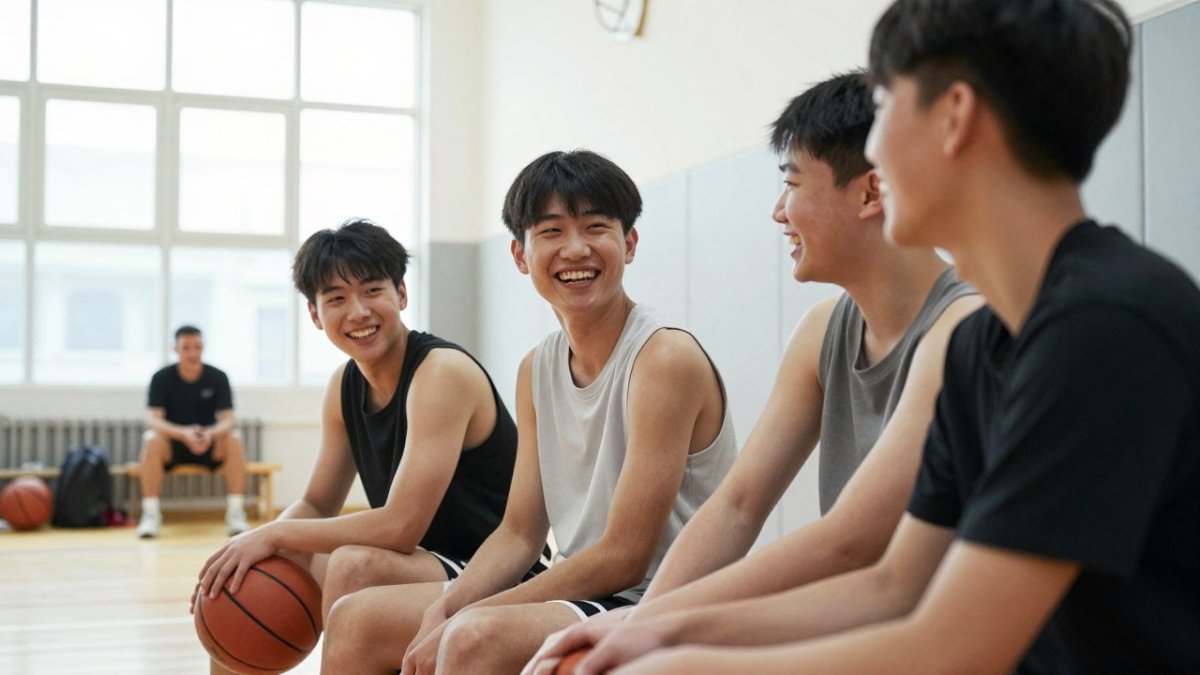
- Focus praise on effort and improvement, not just wins
- Include games and skill variety in practices
- Let kids have a say in their goals
- Celebrate small milestones, like a new skill or a good teammate moment
- Keep the car ride home positive, even after a rough game
Programs built around skill development and enjoyment help kids build confidence while keeping the game fun.
Talking With Your Child About Taking a Break or Quitting
Some kids will ask to step away, and that conversation deserves care. Start by asking open questions:
- "What part of practice feels hardest right now?"
- "What would make this more fun for you?"
- "Would a break help, or do you want to stop completely?"
Avoid guilt or pressure. A short break often lets a child come back refreshed. If they choose to quit, support that decision and keep the door open for them to return later.
Booking Your Child's Next Step at Tier 1 Sports
If your child is ready to get back into the game with a balanced plan, Tier 1 Sports offers programs for ages 4 to 16 in Halton Hills, from beginner sessions to rep basketball. Visit our available programs page to see which option fits your child's age and level, or explore the Ball For Fun program for ages 4-6 if your child is just starting out.
Frequently Asked Questions
What are the signs of burnout in young athletes?
Common signs include a drop in enjoyment, dreading practice, unexplained fatigue, frequent minor injuries or aches, sleep trouble, irritability, and performance that stalls or declines despite effort. Parents often notice a child who used to talk excitedly about games now goes quiet or makes excuses to skip them. If these signs persist for several weeks, talk with the child, reduce the training load, and consider a conversation with a doctor or the coach to rule out injury or other causes.
How much rest should young athletes get?
Young athletes need at least one or two full rest days each week, plus scheduled breaks from their sport each year. Sleep matters as well, since growing bodies need consistent, adequate sleep to recover. Pricing and schedules vary by program, so check the current training calendar with Tier 1 Sports for specifics on practice frequency and off-season timing.
Should young athletes play one sport year-round?
Most youth sport guidance recommends against year-round single-sport training for children. Playing several sports during childhood builds varied movement skills and reduces overuse stress on the same muscles and joints. Taking a clear break from the main sport each year gives both body and mind time to recover and keeps motivation high.
What should parents do if their child wants to quit a sport?
Listen first and ask what has changed, whether it is pressure, friendships, workload, or simply wanting time for other activities. A short break is often a good option and can help a child decide whether to return. Avoid making the decision out of frustration, and frame the conversation around the child's wellbeing rather than performance.