 How-to
7 Things to Expect at a Basketball Rep Tryout
Last Updated: October 29, 2026
Quick Summary
A basketball rep tryout is a structured evaluation session where coaches score players on skills, game play, and attitude before selecting a competitive roster. Expect check-in, a watched warm-up, fast skill stations, and a scrimmage where most of the evaluation happens. Coaches weigh decision-making, effort, coachability, and teamwork, not just scoring.
- Arrive 20 to 30 minutes early so your child can get loose and settle in.
- Coaches start watching at check-in and note who is on time and alert.
- Skill stations rotate on a whistle, so every short, fast rep matters.
- Coaches may mix rosters between scrimmage games to see different player combinations.
- Cuts are normal, and asking coaches for feedback helps prepare for the next tryout.
Table of Contents
- What Happens at a Rep Tryout, Step by Step
- How Rep Basketball Tryouts Differ From School and Rec Tryouts
- Basketball Tryout Drills You Will Likely Run
- Basketball Tryout Evaluation Criteria Coaches Actually Use
- What to Bring to a Basketball Tryout
- How Long Does a Basketball Tryout Last?
- Cuts, Follow-Up, and What Happens After Selection
- Registering for Rep Tryouts With Tier 1 Sports
- Frequently Asked Questions
What Happens at a Rep Tryout, Step by Step
A basketball rep tryout is a structured evaluation session where coaches score players on skills, game play, and attitude before selecting a competitive roster. This guide covers exactly what to expect at a basketball rep tryout, from the first whistle to the final roster call.
Here is the short version: you will be watched from the moment you walk in. Not just when you shoot. Coaches note how players warm up, listen, and carry themselves. That surprises a lot of families.
Before the Whistle: Check-In and the First Impression
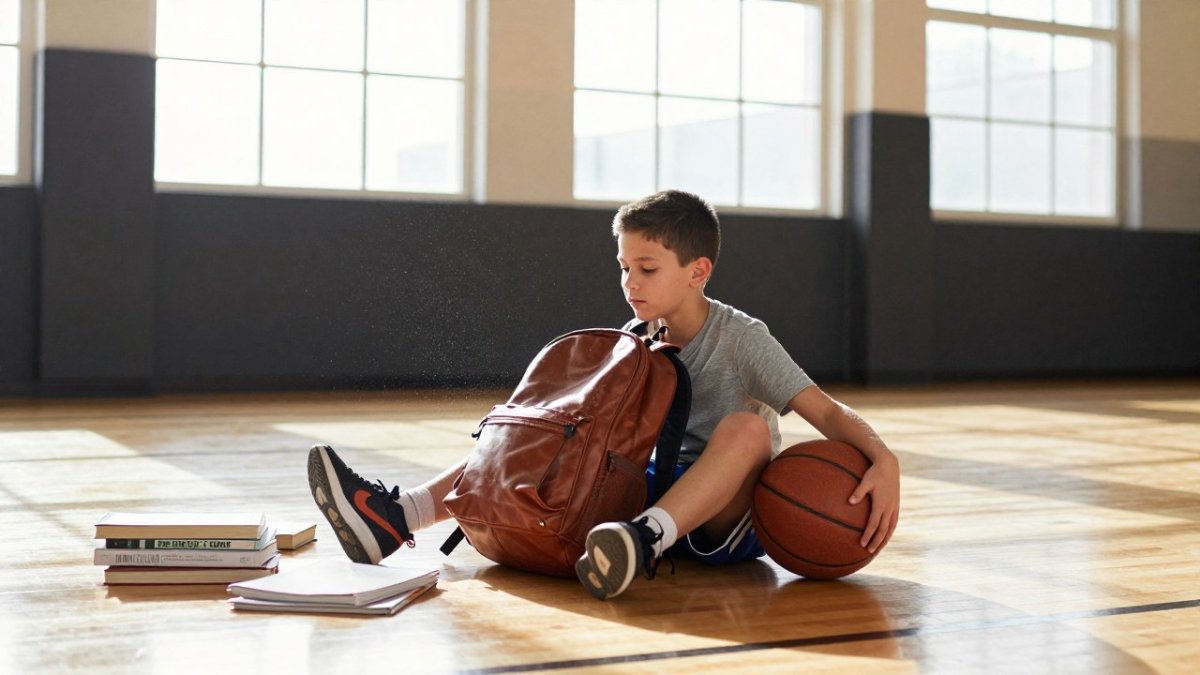
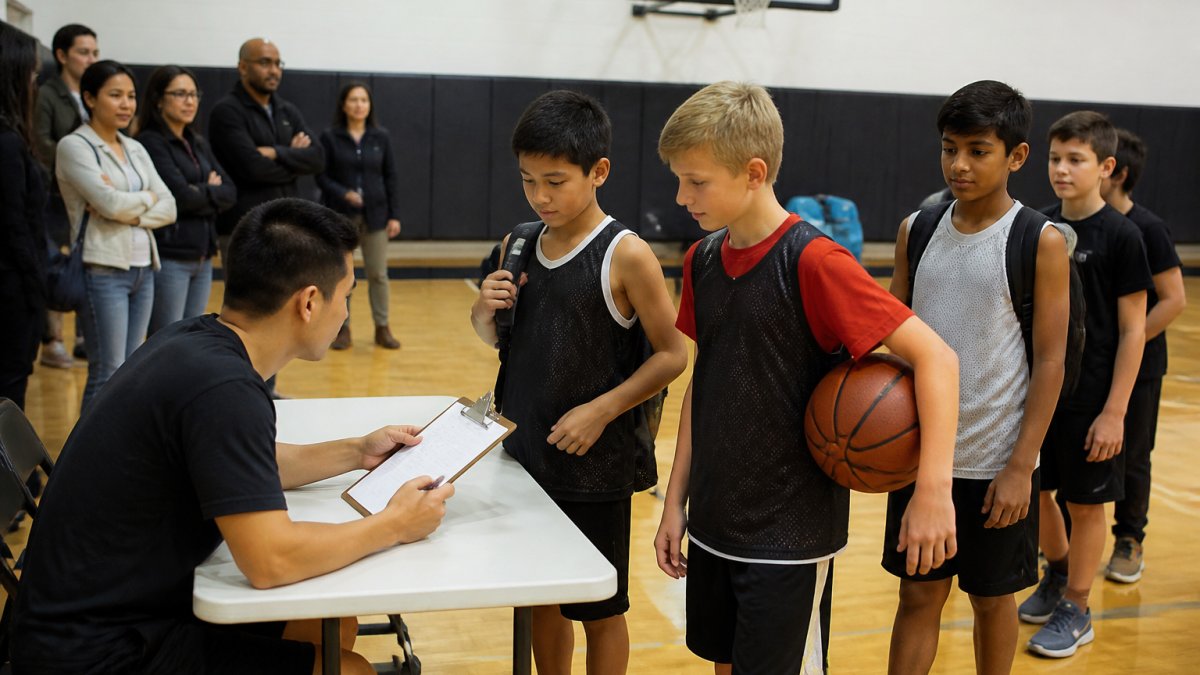
Check-in is quick but it sets the tone. You sign in, get a jersey number, and join the group. Expect a parent form and a name tag. Arrive 20 to 30 minutes early so your child can get loose, find the gym, and settle in without rushing.
Coaches start watching here. They notice who arrives on time, who is dressed and ready, and who is alert during the pre-tryout briefing. A player who is joking around during instructions or slow to join the group is already losing points on the evaluation sheet.
Warm-Up: The First Real Test
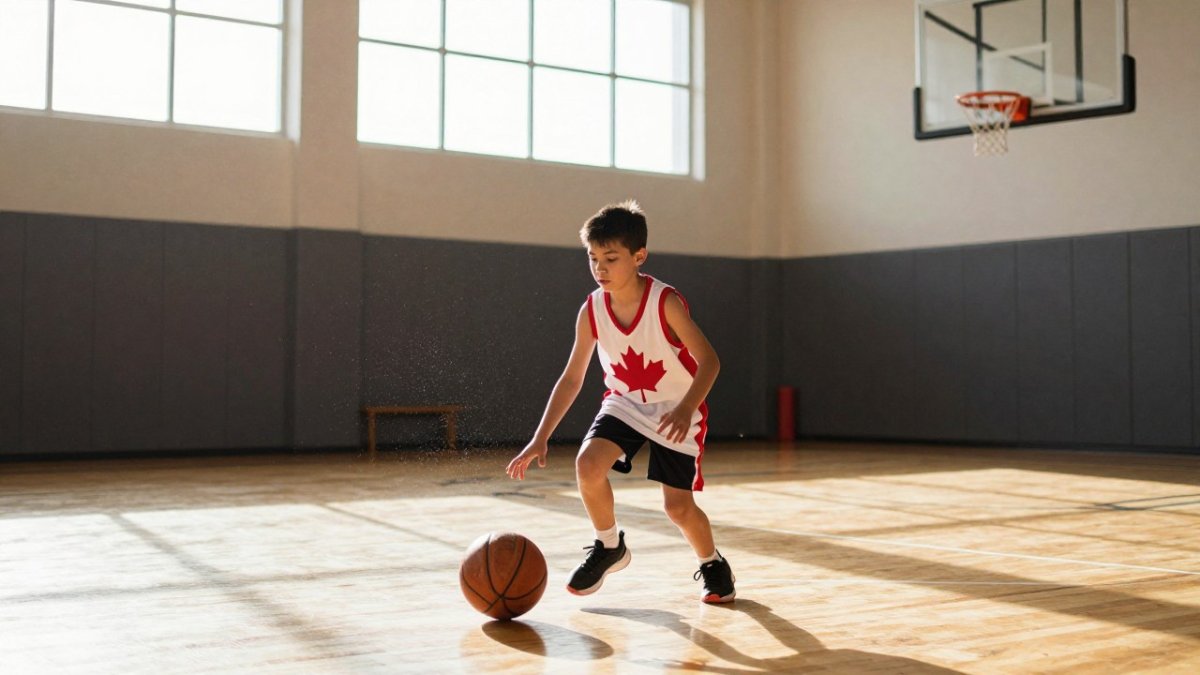
The warm-up is the first real test. Coaches watch for effort, readiness, and how players move without the ball. A typical rep warm-up includes dynamic stretching, light jogging, and a few ball-handling and passing lines to get touches early.
This is not the time to conserve energy. Coaches generally look for players who sprint their warm-up reps, listen to the coach leading the warm-up, and look engaged. Arrive early, get loose, and look alert.
Skill Stations: Short, Fast, and Watched
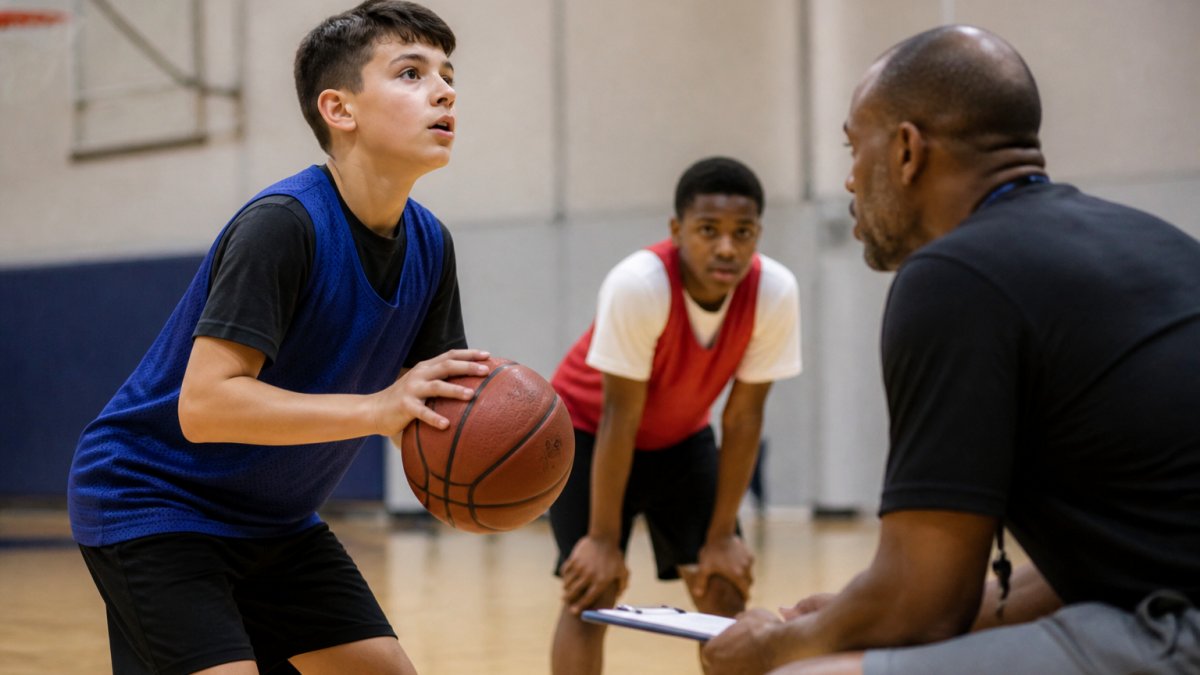
Skill stations split players into small groups. Each station tests one skill: dribbling, passing, shooting, or footwork. Coaches rotate groups on a whistle. Expect short, fast reps with a coach watching each one.
Coaches often score players at each station on a simple scale, then compare notes afterward. That means every rep matters, not just the ones where a player looks good.
Scrimmage: Where Most of the Evaluation Happens
Then comes the scrimmage. This is where most of the evaluation happens. Coaches want to see decision-making, court awareness, and how players fit with others. According to Canada Basketball's athlete development framework, long-term player development emphasizes game play and decision-making alongside technical skill, which is exactly what rep tryouts test.
Coaches may mix rosters between games so they can see players in different combinations. They watch who communicates, who shares the ball, who defends, and who stays engaged when the ball does not come their way.
The Final Whistle and What Comes Next
The session ends with a cool-down and a short wrap-up. Coaches may not announce cuts on the spot. Before you leave, make sure your child knows what the next step is, whether that is a callback session or a final roster decision.
How Rep Basketball Tryouts Differ From School and Rec Tryouts
Rep tryouts are more demanding than school or recreational sessions.
A school tryout often takes one afternoon. A rep tryout runs longer, uses multiple stations, and ends with a scrimmage. Coaches also weigh coachability and mental toughness, not just points scored.
The gap shows up in what happens after selection. If you want a sense of the weekly load, read our guide on what to expect at rep basketball practice before tryout day.
Basketball Tryout Drills You Will Likely Run
Basketball tryout drills generally fall into a few families: ball handling, shooting, footwork, defense, and scrimmage.
Ball Handling, Footwork, and Finishing Drills
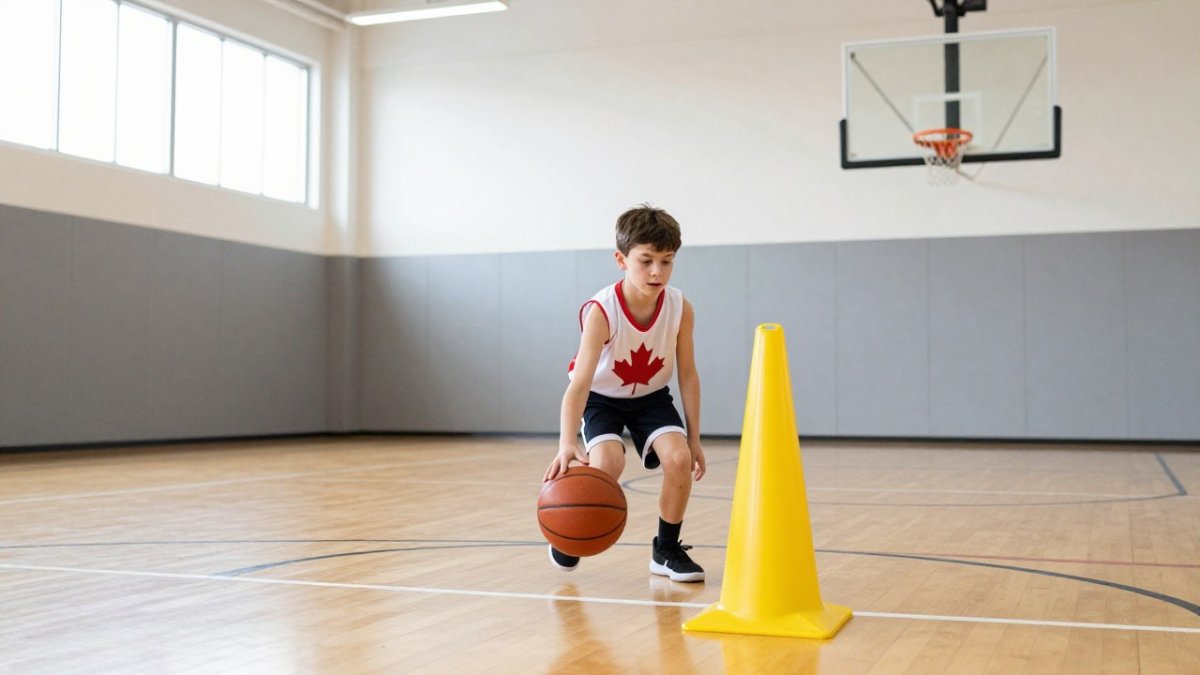
Ball handling drills test both hands. You may run dribbling lines with change of direction, then a two-ball drill. Coaches watch control and pace.
Footwork drills cover pivoting and finishing. Expect layup lines with both-hand finishing and quick stops. Good footwork earns attention fast.
Shooting, Defensive Slides, and Scrimmage Play
Shooting drills test form and range. You will shoot off the catch and off the dribble. Coaches note a repeatable release.
Defensive slides test agility and stance. Stay low, move your feet, and keep your hands active. Then scrimmage play ties it together, and coaches watch communication and teamwork.
A simple way to prepare: run these drills at full speed in the weeks before tryouts.
| Drill Type | What Coaches Watch | How to Prepare |
|---|---|---|
| Ball handling | Both hands, control, change of direction | Dribble daily with weak hand |
| Shooting | Form, release, range | 50 game-speed shots per session |
| Footwork | Pivoting, balance, finishing | Layup lines, both hands |
| Defense | Slides, stance, agility | Slide drills, stay low |
| Scrimmage | Basketball IQ, passing, teamwork | Play pickup games often |
Basketball Tryout Evaluation Criteria Coaches Actually Use
Basketball tryout evaluation criteria generally cover areas such as skill, basketball IQ, effort, coachability, and teamwork.
How Coaches Judge Players Beyond Scoring
Scoring is only one line on the sheet. Coaches also watch:
- Decision-making: does the player make the simple pass?
- Court awareness: does the player see the open teammate?
- Communication: does the player talk on defense?
- Effort and intensity: does the player sprint every rep?
- Coachability: does the player take feedback and adjust?
Coaches build teams, not highlight reels. Confidence and mental toughness matter when a drill goes badly.
How Rep Coaches Actually Score and Compare Players
Rep coaches rarely rely on a single number. Coaches may also write short notes next to each name so they can remember specific moments later.
The scoring is comparative. Coaches are not asking whether a player is good in isolation. They are asking whether that player is better than the other players competing for the same role. A guard who handles pressure and makes good decisions may beat a flashier scorer if the team already has scoring. A defender who communicates and rebounds may beat a more skilled player who does not fit the team's needs.
What Separates Players at the Same Skill Level
When two players have similar skill, coaches look at the intangibles. A player who takes feedback and adjusts immediately stands out. So does a player who encourages teammates, sprints back on defense, and stays engaged on the bench.
Coaches also notice body language. A player who sulks after a missed shot or a bad pass is a risk. A player who claps, resets, and gets back on defense is easier to coach and easier to trust in a close game.
Age and Position Change the Weighting
Position matters too. A post player may be evaluated on footwork, rebounding, and finishing through contact. A guard may be evaluated on ball handling, passing, and decision-making.
How to Prepare for the Evaluation
The best preparation is to practice the things coaches score. Run ball-handling and shooting drills at game speed. Play pickup games to build decision-making and communication. And practice responding to feedback, because coachability is one of the easiest things to demonstrate and one of the easiest things to lose points on.
What to Bring to a Basketball Tryout
Pack a small bag the night before:
- Basketball shoes with good grip
- Water bottle, filled
- Reversible jersey or two shirts
- Athletic shorts and socks
- A light snack for after
- Any medical items your child needs
For a full checklist, see our guide on essential basketball gear for rep team players so nothing gets left at home.
How Long Does a Basketball Tryout Last?
Rep tryouts often run longer than school sessions because they include stations plus a scrimmage.
Plan for the full window. Arrive early, stay the whole time, and do not rush out. Coaches notice who stays engaged until the final whistle.
For families new to rep basketball, the format can feel long. Bring patience and let your child focus on the reps.
Cuts, Follow-Up, and What Happens After Selection
Cuts happen, and they are normal. If your child is selected, expect a follow-up with practice dates and season details.
If your child is not selected, ask for feedback. Coaches often share what to work on. That feedback is gold for the next tryout.
Parents, this part matters most. How you react shapes how your child handles it. Our article on supporting your child during basketball tryouts covers what to say and what to skip.
Registering for Rep Tryouts With Tier 1 Sports
Families can review the full registration steps for OBA tryouts to complete the process without missing a form.
At Tier 1 Sports, we run rep tryouts for players aged 4 to 16 in Halton Hills, with programs that grow from introductory sessions to competitive rep basketball. Our coaches focus on skill development and a lifelong passion for the game. All programs are generously sponsored by Real Estate Broker David Robbio.
To see tryout dates and join the 2026 REP basketball team, visit our rep program page. Come ready to work, and let your child play with confidence.
Frequently Asked Questions
What skills do coaches look for at a basketball rep tryout?
Coaches watch ball handling with both hands, shooting form, finishing at the rim, defensive slides, and change-of-direction footwork. They also weigh basketball IQ, court awareness, communication, and coachability. A player who listens, adjusts after feedback, and plays full-speed reps often stands out more than one who simply scores. Effort and intensity across every drill matter as much as raw talent, especially at the rep level where team selection depends on fit as well as skill.
What should my child wear and bring to a basketball tryout?
Players should wear a reversible jersey or plain t-shirt, athletic shorts, and clean indoor basketball shoes with good grip. Bring a filled water bottle, a light snack, and a towel. Leave jewelry at home and tie back long hair. Pack a bag with a spare shirt in case the session runs long. Arriving early gives your child time to warm up, find the gym, and settle nerves before the first whistle.
How long does a basketball rep tryout usually last?
The format typically includes a warm-up, skill stations, drill work, and a scrimmage.
What happens if my child does not make the rep team?
A cut is not the end of the pathway. Many players use feedback from the evaluation to target specific skills, then try out again the following season. Ask the coach what to work on so the next tryout is a stronger one.
The tryout is one afternoon. The confidence it builds can last a season. Tier 1 Sports offers age-specific programs from 4 to 16, expert coaching, and both recreational and rep pathways, so every player finds the right fit. Get started with Tier 1 Sports and help your child realize their potential on the court.